Entrepreneurship and Business Finance Fundamentals
Introduction to Entrepreneurship
What Is an Entrepreneur?
At its core, an entrepreneur is a problem solver. They see a need, a gap in the market, or a better way of doing something, and they build a business to address it. It's not just about having an idea; it's about acting on that idea, taking a calculated risk to bring something new into the world.
Entrepreneurs create value by solving problems for others. The bigger the problem they solve, the more value they create.
This involves organizing resources, managing operations, and ultimately, taking responsibility for the venture's success or failure. It's a path that requires more than just a good concept; it demands action.
An entrepreneur is someone who identifies a business opportunity and assumes the risk of creating and running a business to take advantage of it.
Not All Ventures Are the Same
The word "entrepreneur" might bring to mind tech billionaires, but the reality is much broader. Entrepreneurship comes in many forms, each with different goals and structures.
Small Business Entrepreneurship This is the most common type. Think of the local coffee shop, the independent bookstore, or the freelance graphic designer. These entrepreneurs focus on serving their community and building a sustainable business that provides a good living for themselves and their employees. Their goal is often profitability and stability, not explosive growth.
Scalable Startup This is the model often associated with Silicon Valley. Scalable startups begin with an idea they believe can grow into a massive company. They aim to disrupt an existing market or create a new one entirely. These ventures often rely on outside investors to fund rapid expansion with the goal of eventually becoming a large, publicly traded company or being acquired.
Social Entrepreneurship Social entrepreneurs are driven by a mission to create positive change in the world. They tackle social or environmental problems, using business principles to create a sustainable, impactful organization. While they may be non-profits, many are for-profit companies where the primary measure of success is not just financial return, but the social good they create.
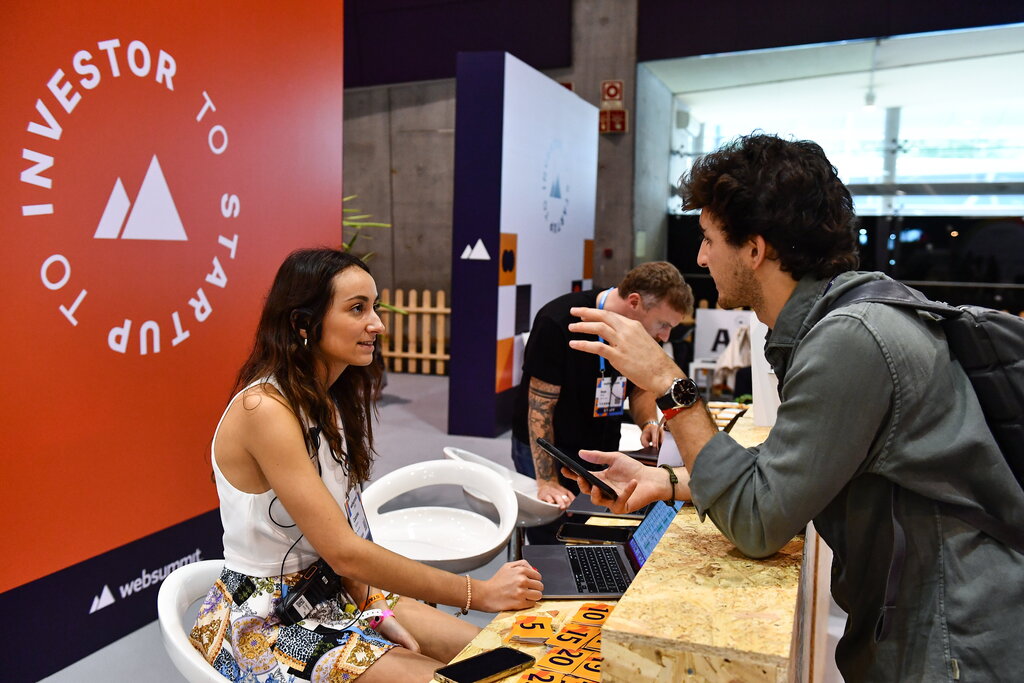
Understanding these distinctions is key. The path you take depends entirely on the kind of impact you want to make and the scale you hope to achieve.
| Type | Primary Goal | Common Funding | Example |
|---|---|---|---|
| Small Business | Stable Profit & Lifestyle | Personal Savings, Loans | Local Bakery |
| Scalable Startup | Rapid Growth & Market Share | Venture Capital | New Social Media App |
| Social Entrepreneurship | Social or Environmental Impact | Grants, Impact Investors | Clean Water Non-Profit |
The Entrepreneurial Mindset
Beyond the type of business, successful entrepreneurs often share a common set of traits. This isn't a rigid checklist, but a pattern of thinking and acting that helps them navigate the uncertain path of building something new.
One of the most important traits is resilience. Starting a business is hard. There will be setbacks, failures, and moments of doubt. Resilience is the ability to learn from those failures, adapt, and keep moving forward. It’s about viewing challenges not as stop signs, but as learning opportunities.
Every failed experiment is one step closer to success. The key is to not give up.
Creativity is another pillar. This isn't just about artistic ability; it's about creative problem-solving. Entrepreneurs constantly face new challenges with limited resources. They have to find innovative solutions for everything from product design to marketing strategy. They connect dots that others don't see.
Finally, there's risk-taking. Every new venture is a risk. There’s no guarantee of success. However, successful entrepreneurs take calculated risks. They do their homework, test their assumptions, and make informed decisions to mitigate potential downsides. They aren't just gambling; they are making smart bets on their vision.
These traits work together to form a mindset that is proactive, adaptable, and relentlessly focused on a goal. It's a way of looking at the world that sees possibilities where others see obstacles.
What is the fundamental role of an entrepreneur?
A developer creates a new app with the goal of disrupting the entire social media market and growing into a massive, publicly-traded company. This is an example of: