Entrepreneurial Filmmaking in South Africa
Industry Overview
South Africa's Film Scene
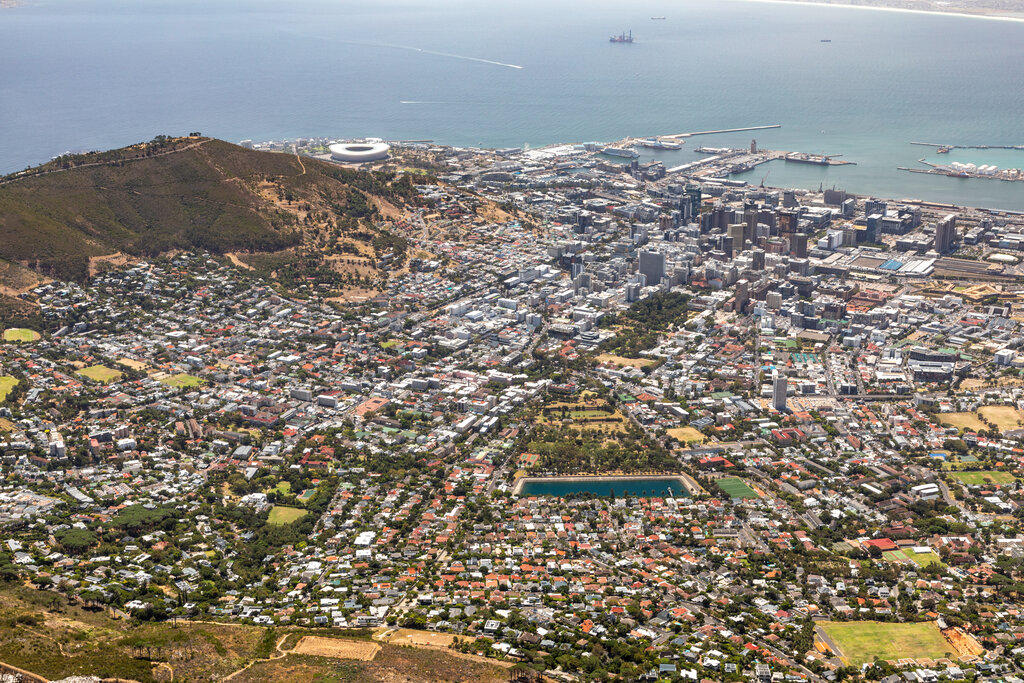
South Africa has become a major destination for filmmakers from around the world. Its stunningly diverse landscapes, from the vibrant streets of Cape Town to the dramatic Drakensberg mountains, can stand in for almost any location. This versatility, combined with a highly skilled local workforce and favorable exchange rates, makes it an attractive place to shoot everything from Hollywood blockbusters to independent films and commercials.
South Africa has earned its place on the global production map with a winning combination of diverse locations, skilled crew, modern infrastructure, and one of the most competitive film rebate systems in the world.
The industry isn't just a backdrop for international projects; it has a thriving local scene with a unique voice. South African stories are gaining international recognition, reflecting the nation's complex history and vibrant culture. This growth is supported by a strong network of organizations, festivals, and government incentives designed to nurture talent and boost the industry's economic power.
The Industry's Key Players
Several key organizations work behind the scenes to support and grow the South African film industry. Think of them as the support structure that helps filmmakers bring their visions to life.
The National Film and Video Foundation (NFVF) is a central government body with a clear mission: to promote and develop the country's film and video industry. It provides funding for projects, supports skills development, and works to market South African films on the global stage. The NFVF plays a crucial role in nurturing emerging talent and ensuring that local stories get told.
Their goal is to create an environment where the South African film industry can thrive, both creatively and commercially.
The Industrial Development Corporation (IDC) takes a more business-focused approach. As a national development finance institution, its primary goal is to contribute to economic growth. In the film industry, the IDC provides funding for larger-scale productions that have the potential to create jobs and generate significant revenue. They look for commercially viable projects that can compete internationally.
At a more local level, regional film commissions are essential. Offices like Film Cape Town, the Gauteng Film Commission, and the KwaZulu-Natal Film Commission act as the one-stop shop for productions in their specific provinces. They help with permits, location scouting, and connecting producers with local crews and resources, making the practical side of filmmaking much smoother.
Festivals and Markets
Film festivals are the lifeblood of the industry, offering a platform for films to be seen, celebrated, and sold. In South Africa, two events stand out.
The Durban International Film Festival (DIFF) is one of the oldest and largest film festivals in Africa. Each year, it showcases a diverse slate of features, documentaries, and short films from South Africa, the continent, and around the world. For filmmakers, having a film selected for DIFF can be a major career boost, bringing their work to the attention of audiences, critics, and industry professionals.
The Cape Town International Film Market & Festival (CTIFM&F) combines film screenings with a robust market. This is where the business of film happens. Producers pitch their projects to potential investors, distributors look for the next big hit, and filmmakers network to build partnerships. It's a crucial event for connecting the creative and commercial sides of the industry, helping to get new projects off the ground.
Economic Impact
Filmmaking is more than just an art form; it's a powerful economic engine. When a production comes to town, it creates a ripple effect across the local economy. It hires local crews—from camera operators and sound engineers to carpenters and caterers. It spends money on hotels, transportation, equipment rentals, and location fees.
This influx of spending, known as foreign direct investment, creates jobs and stimulates growth in other sectors. A thriving film industry also boosts tourism, as audiences are often inspired to visit the beautiful locations they see on screen. By attracting international productions and nurturing local ones, South Africa's film industry plays a significant role in the country's economic development.
What is the primary focus of the Industrial Development Corporation (IDC) when funding film projects?
A director shooting a film in Johannesburg needs help with securing permits and finding local camera operators. Which type of organization would be their best first point of contact?
The South African film industry is a dynamic and growing sector, built on a foundation of incredible locations, talented people, and a strong support system. Understanding these key players and platforms is the first step to navigating this exciting landscape.