Enterprise Platform Engineering Mastery
Introduction to Platform Engineering
The What and Why of Platform Engineering
Software development used to be a messy, disjointed process. Developers would write code, then toss it over a virtual wall to an operations team responsible for getting it to run on servers. This handoff was often slow and riddled with errors. The operations team didn't know the code, and the developers didn't know the infrastructure. Each side worked in its own silo, leading to frustration and delays.
Platform engineering is the modern solution to this old problem. It's about creating a smooth, paved road for developers to travel on, from writing the first line of code to deploying it for users. Instead of developers figuring out servers, databases, and networking for every project, they get access to a curated set of tools and services—a platform.
Platform Engineering
noun
The practice of designing and building a self-service internal developer platform (IDP) that provides developers with the tools and workflows needed to build, ship, and run software with minimal overhead.
This platform acts as a common ground. It's built and maintained by a dedicated platform team, whose customers are the company's own developers. Their goal is to make the development lifecycle as simple, secure, and efficient as possible.
A New Way of Working
This approach is a huge leap from traditional IT operations. In the past, if a developer needed a new database, they'd file a ticket and wait. And wait. The operations team, swamped with requests, would eventually provision it manually. This created a bottleneck.
With platform engineering, developers get self-service capabilities. They can provision a database, set up a testing environment, or deploy an update through an easy-to-use interface or a simple command. The platform handles all the complexity behind the scenes. This frees developers from worrying about infrastructure and lets them focus on what they do best: writing code.
The core idea is to treat the platform as a product. The developers are the customers, and the platform team's job is to create a great user experience for them.
By standardizing tools and processes, the platform brings order to chaos. Instead of ten different teams using ten different ways to deploy code, everyone uses the same tested, reliable pipeline provided by the platform. This consistency makes the entire system more reliable and easier to manage.
| Feature | Traditional IT Operations | Platform Engineering |
|---|---|---|
| Process | Ticket-based, manual | Self-service, automated |
| Developer Focus | Code & infrastructure | Just code |
| Tooling | Inconsistent, siloed | Standardized, shared |
| Speed | Slow, prone to bottlenecks | Fast, on-demand |
Built-in Guardrails
Speed and convenience are major benefits, but platform engineering also tackles two other critical areas: security and compliance. In a traditional setup, security checks often happen at the very end of the development process. Finding a vulnerability at that stage can trigger costly delays.
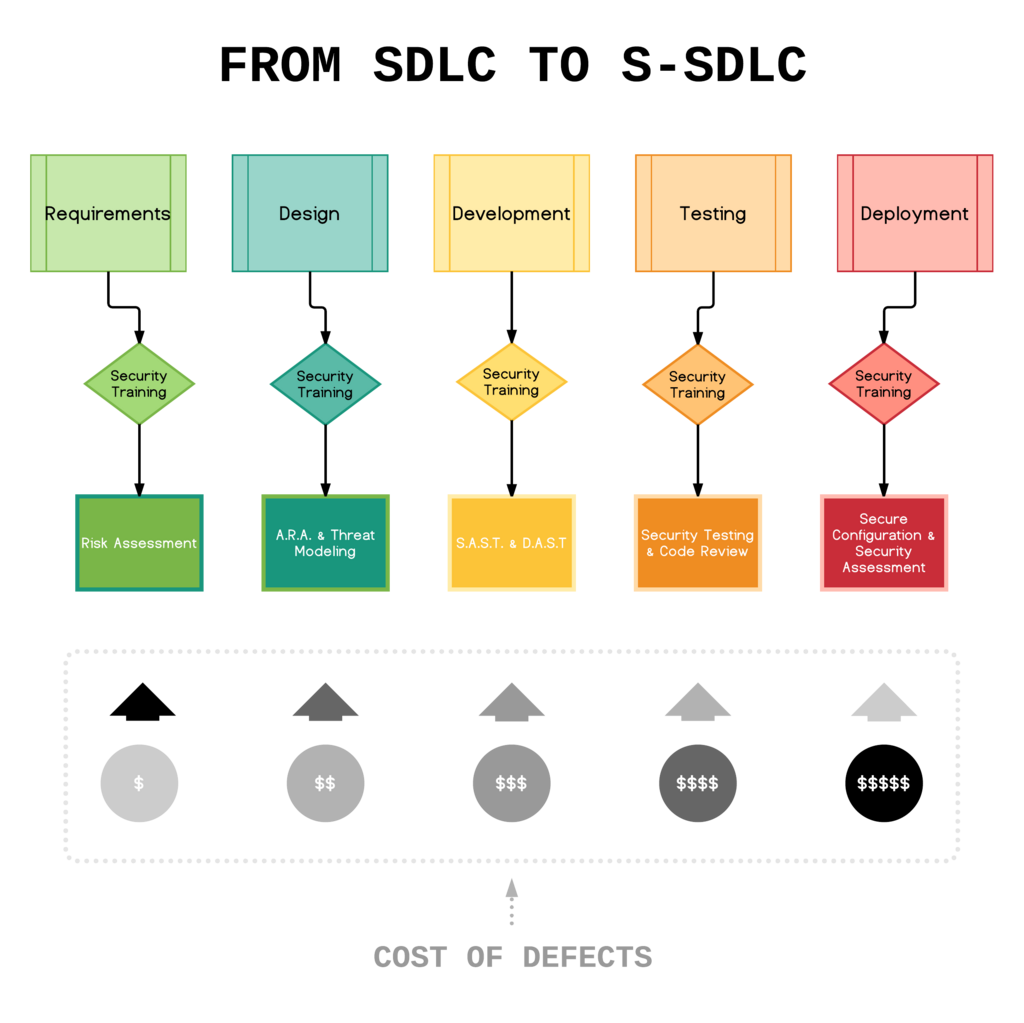
A well-designed developer platform integrates security and compliance directly into the workflow. Security scans can run automatically every time a developer commits code. The platform can enforce compliance rules, ensuring that every new service is configured correctly from the start. This is often called “shifting left,” as it moves security considerations to the beginning of the development lifecycle.
By providing paved roads with built-in guardrails, the platform makes it easy for developers to do the right thing and hard to do the wrong thing.
This automated, proactive approach doesn't just make systems more secure. It also builds a culture where everyone shares responsibility for security, rather than leaving it to a separate team. It empowers developers by giving them the tools they need to build secure applications from day one, leading to higher-quality software and fewer fires to put out.
Ready to check your understanding? Let's see what you've learned about platform engineering.
What is the primary goal of platform engineering?
In the context of platform engineering, what does the term "shifting left" refer to?
Ultimately, platform engineering is about removing friction. It allows development teams to move faster and more safely, which is essential for any company that wants to innovate and compete.