Enterprise Conflict Resolution Mastery
Understanding Conflict
Conflict Is Everywhere
Conflict in the workplace is more than just a heated argument in a conference room. It’s any disagreement over ideas, interests, or personalities that disrupts the flow of work. Think of two departments with competing priorities, team members with different work styles, or a manager and a direct report who aren't on the same page about expectations. These clashes are a natural part of people working together.
Conflict is a natural part of any workplace environment.
While the word "conflict" often sounds negative, it isn't always bad. When handled constructively, disagreements can spark new ideas, challenge assumptions, and lead to better solutions. The problem isn't the conflict itself, but how it's managed. Unresolved tension is what creates a toxic environment, not the initial disagreement.
Types of Workplace Conflict
Conflicts show up in different ways. Understanding the type of disagreement you're facing is the first step toward resolving it. Most workplace issues fall into one of three categories.
Task conflict is about the work itself. Team members might disagree on the project's goals or the best way to approach a problem. This type can be productive, as it often leads to a more refined final product.
Process conflict centers on how work gets done. This includes disagreements over procedures, timelines, or role assignments. For example, the engineering team might feel the product team is creating unrealistic deadlines.
Relationship conflict is personal. It stems from personality clashes, communication style differences, or perceived slights. These are the most destructive conflicts because they erode trust and are not focused on the work.
These conflicts can occur between peers, across departments, or up and down the chain of command. A conflict between a manager and their direct report is especially sensitive due to the power imbalance. The employee may feel they can't speak openly, which allows resentment to build.
Why Conflict Happens
Disagreements don't appear out of thin air. They typically stem from underlying issues within the organization or between individuals. Recognizing the root cause is essential for finding a real solution, rather than just patching over the symptoms.
| Cause | What It Looks Like |
|---|---|
| Poor Communication | Vague instructions, unspoken assumptions, or a lack of transparency. |
| Differing Values | Team members have different ideas about what is important, such as speed vs. quality. |
| Scarce Resources | Competition over budget, equipment, or even recognition can create tension. |
| Unclear Roles | When people don't know what they're responsible for, they may step on each other's toes. |
| Personality Clashes | Some people just don't mesh well due to different temperaments or work styles. |
Often, it's a combination of these factors. A project with a tight budget (scarce resources) and vague instructions (poor communication) is a perfect recipe for conflict.
The Cost of Ignoring Conflict
It can be tempting to avoid confrontation and hope a problem goes away on its own. This rarely works. Unresolved conflict acts like a poison, slowly seeping into the team and the wider organization.
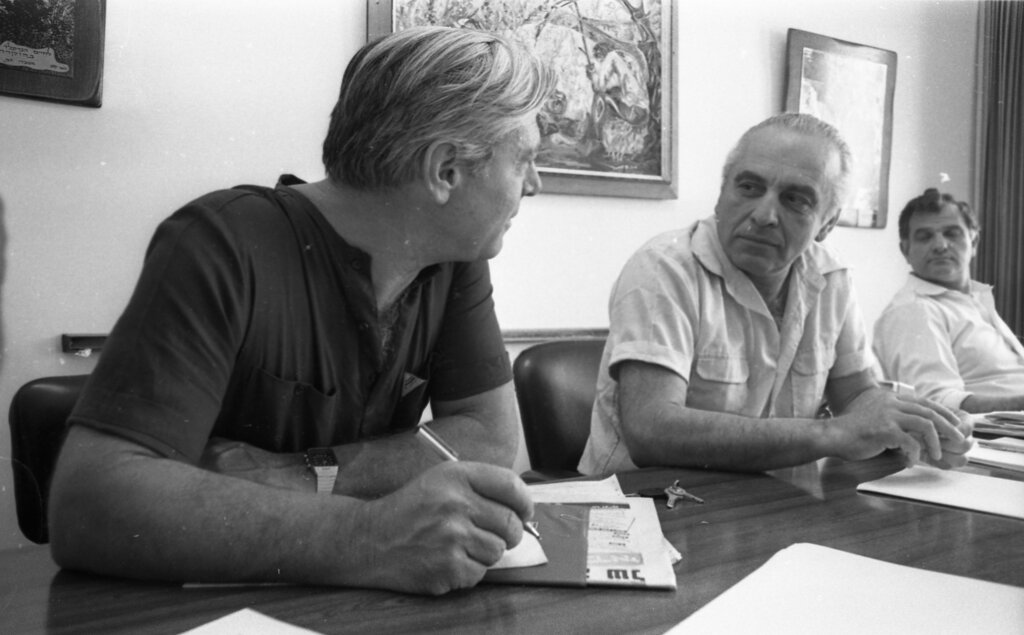
When conflict festers, it can lead to:
- Decreased Productivity: People spend more time worrying about the conflict than doing their jobs. Collaboration grinds to a halt as team members avoid working with each other.
- Lower Morale: A tense work environment is draining. It leads to stress, unhappiness, and burnout.
- Employee Turnover: Talented people will leave a toxic workplace. The cost of recruiting, hiring, and training their replacements is significant.
- Poor Decision-Making: When people are afraid to voice dissenting opinions, the team falls victim to groupthink. The best ideas are often left unspoken.
Ignoring conflict at work allows it to escalate and negatively impact the organization further, while addressing and resolving the problem quickly helps maintain a positive work environment.
Beyond the direct impact on performance, unresolved conflict can damage the company's culture. It signals that unhealthy behavior is acceptable, which can create a cycle of negativity that's hard to break.
Which statement best describes the nature of conflict in a professional setting?
A marketing team and a design team are in a disagreement. The marketing team believes the project timeline is too slow, while the design team feels they need more time for creative exploration. This is an example of:
The key is to recognize the early warning signs of conflict and address them before they grow into major problems. This allows you to turn a potentially destructive situation into an opportunity for growth and stronger collaboration.