Enterprise AI Agent Integration Consulting
Introduction to Agentic AI
Beyond Prompts and Responses
Most of us think of AI as a tool that responds to our commands. We ask a question, it gives an answer. We give it a prompt, it generates text or an image. This is a reactive relationship. The AI waits for us to tell it what to do.
Agentic AI flips this script. Instead of just responding, it acts. An agent is a system that can perceive its environment, make decisions, and take actions to achieve specific goals on its own. Think of the difference between a calculator and a personal financial advisor. A calculator waits for you to input numbers. An advisor understands your goal—like saving for retirement—and takes proactive steps to help you get there.
Agentic AI represents a fundamental paradigm shift in artificial intelligence, moving from passive, prompt-driven systems to autonomous, goal-oriented agents that can plan, learn, and execute complex tasks with minimal human intervention.
What Makes an AI 'Agentic'?
Three core characteristics separate agentic AI from its traditional counterparts: autonomy, goal-orientation, and adaptability.
Autonomy: An AI agent doesn't need constant human oversight. Once you give it a goal, it can operate independently to figure out the necessary steps and execute them. It decides what to do and when to do it.
This means it can handle complex, long-running tasks that would be tedious for a person to manage step-by-step.
Goal-Orientation: Instead of being given a specific command like "write an email to Sarah," an agent is given a broader objective, such as "organize a team lunch for next Friday." It then breaks that goal down into smaller tasks: check everyone's calendars, find a restaurant that meets dietary needs, make a reservation, and send out an invitation.
The focus is on the final outcome, not the individual actions.
Adaptability: The real world is messy. Plans change, and unexpected problems arise. An agentic system can adapt. If the restaurant is booked, it finds another one. If a key team member is unavailable, it suggests alternative dates. It learns from its interactions and adjusts its strategy to overcome obstacles.
A New Kind of AI
The distinction between traditional AI and agentic AI comes down to initiative and scope. A traditional model is a powerful tool for executing a specific task you define. An agent is a partner that helps you achieve a complex goal.
| Feature | Traditional AI (e.g., ChatGPT) | Agentic AI |
|---|---|---|
| Role | Reactive Assistant | Proactive Partner |
| Initiative | Waits for specific prompts | Takes initiative to achieve a goal |
| Task Scope | Single, discrete tasks | Complex, multi-step projects |
| Interaction | Responds to direct input | Interacts with its environment (apps, APIs, data) |
| Learning | Primarily from pre-training data | Learns from actions and feedback in real time |
Putting Agents to Work
Agentic AI isn't just a theoretical concept; it's already being applied across various industries to automate complex processes and solve problems more efficiently.
-
Customer Service: An AI agent can manage a customer's entire support journey. It can start with a chatbot conversation, then access the order database to check a delivery status, and if needed, automatically process a return and schedule a pickup, all without human intervention.
-
Supply Chain Management: An agent can monitor inventory levels, track shipments, and watch for weather-related disruptions. If it detects a potential delay, it can proactively re-route shipments or order from an alternative supplier to prevent a stockout.
-
Software Development: A developer can assign an agent a task like "fix this bug." The agent can then analyze the code, write a potential fix, run tests to ensure the fix works and doesn't create new problems, and submit the corrected code for review.
These examples showcase a shift from AI as a simple tool to AI as an active participant in getting work done.
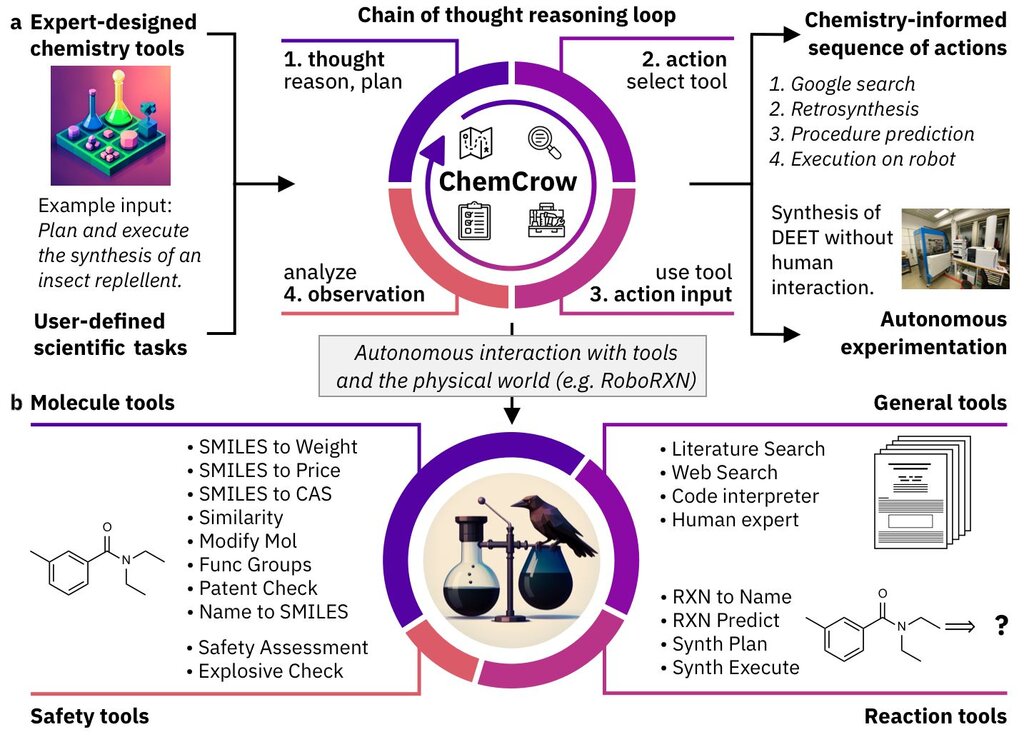
As these systems become more capable, they'll handle increasingly complex workflows, freeing up human collaborators to focus on strategy and creativity rather than repetitive execution.
What is the primary characteristic that distinguishes agentic AI from traditional AI?
Which of the following best describes the three core characteristics of an AI agent?