Enlightenment Thinkers on Society and Governance
Introduction to the Philosophies of Hume, Burke, and Hamilton
Three Thinkers, Three Worlds
The 18th century was a time of immense change. Revolutions in America and France were redrawing the map, and new ideas about science, reason, and society were challenging old truths. In the middle of this intellectual storm stood three key figures: David Hume, Edmund Burke, and Alexander Hamilton. Though they lived at the same time, their experiences and ideas shaped very different views on how societies should work.
David Hume the Skeptic
David Hume was a central figure in the Scottish Enlightenment. He wasn't a politician or a revolutionary, but a philosopher who questioned everything, especially the power of human reason. Hume was an empiricist, meaning he believed that all knowledge comes from sensory experience. You know an apple is sweet because you've tasted one, not because of some abstract principle.
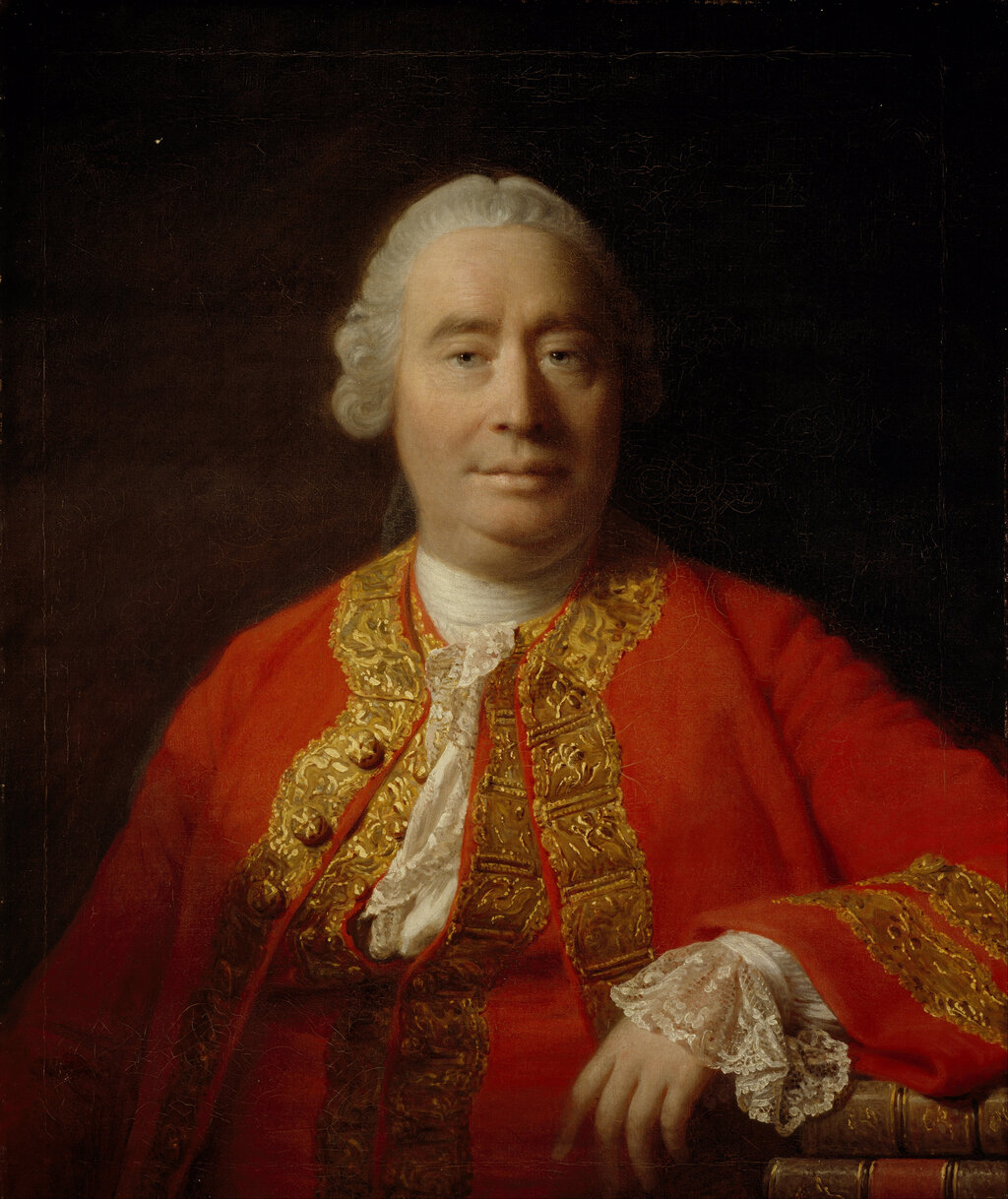
This led him to be skeptical about grand theories. He argued that our beliefs about cause and effect, for instance, are just habits of mind. We see a billiard ball hit another, and the second one moves. After seeing it enough times, we assume the first caused the second to move, but we never truly perceive the causation itself. For Hume, human nature was driven more by passion and custom than by pure logic. He believed that governments and social institutions weren't products of brilliant design but of long, slow evolution. They worked because they were built on generations of habit and tradition, not because they were perfectly rational.
Edmund Burke the Statesman
Across the sea in Britain, Edmund Burke was putting similar ideas into political practice. An Irish-born statesman and member of Parliament, Burke is often called the father of modern conservatism. He believed that society was a delicate, complex organism, not a machine to be taken apart and rebuilt from scratch. For him, tradition and inherited institutions like the monarchy and the church were the glue that held society together. They contained the accumulated wisdom of countless generations.
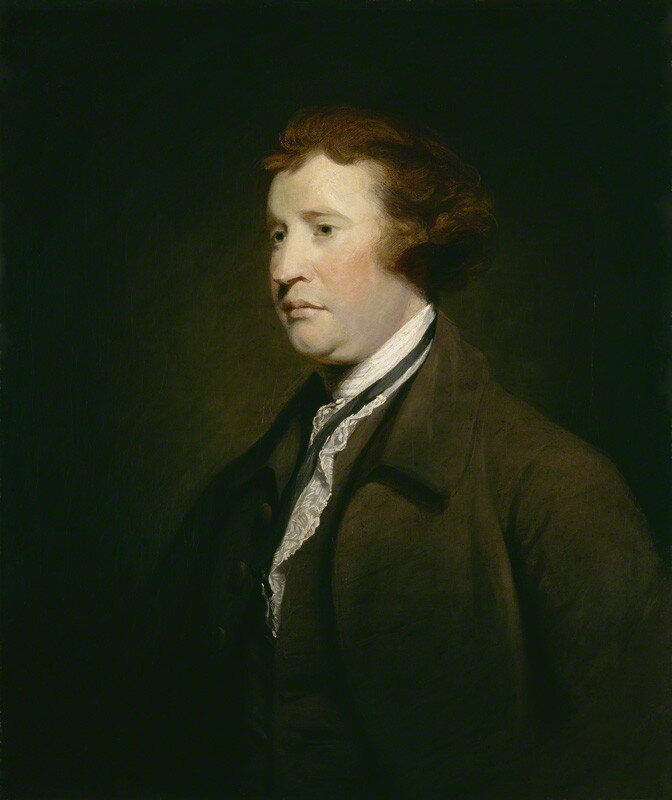
Burke was not against change, but he insisted it must be slow, cautious, and respectful of the past. This is why he supported the American Revolution, which he saw as a defense of the colonists' traditional rights as Englishmen. In contrast, he was horrified by the French Revolution. He saw it as a reckless attempt to destroy an entire social order based on abstract ideas like “the rights of man,” which he feared would lead to chaos and tyranny.
Alexander Hamilton the Nation-Builder
While Burke was defending tradition in Britain, Alexander Hamilton was busy building a new nation in America. As an immigrant from the West Indies who rose to become George Washington's right-hand man, Hamilton had a pragmatic and somewhat cynical view of human nature. He believed people were driven primarily by self-interest and ambition. A good government, in his view, didn't try to change that; it channeled those passions for the public good.
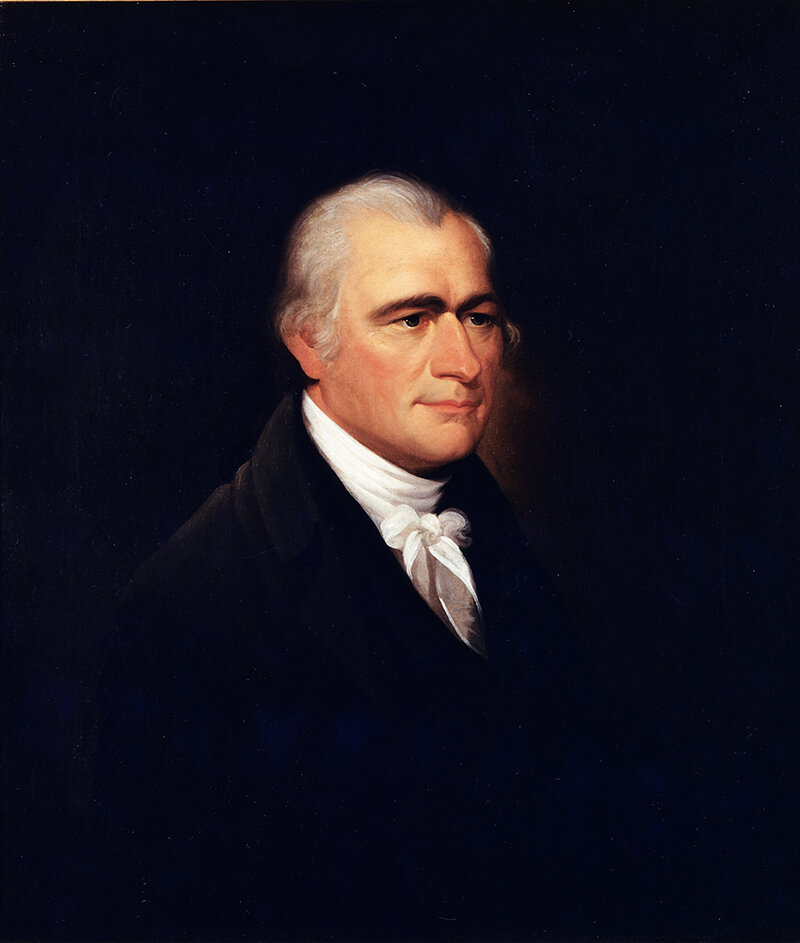
Hamilton was a fierce advocate for a strong, centralized federal government. He argued that a powerful national government was necessary to manage the competing interests of the states, build a robust economy, and secure the nation's place in the world. As the first Secretary of the Treasury, he established a national bank and a financial system designed to tie the interests of wealthy citizens to the success of the new government. For Hamilton, order and prosperity depended on a government that was energetic, active, and capable of decisive action.
Now that we've met these three thinkers, let's test your understanding of their core ideas.
David Hume, a key figure in the Scottish Enlightenment, was an empiricist. What does this mean?
Which of the three thinkers would most likely agree with the statement: "Society is a delicate, complex organism, and radical change based on abstract theories is a dangerous path to chaos and tyranny"?
Hume the philosopher, Burke the statesman, and Hamilton the nation-builder each offered a distinct perspective on society and government. Their ideas, born from the turmoil of the 18th century, continue to influence how we think about politics today.