Enhancing Well-being and Mental Health
Stress Management Techniques
Your Stress Management Toolkit
Stress is a part of life, but being overwhelmed by it doesn't have to be. The key is to have a set of practical tools you can turn to when pressure builds. Not every technique works for every person or in every situation. The goal is to find a few that fit you and your lifestyle, creating a personalized toolkit to manage stress effectively.
Developing a personalized toolkit of strategies that work best for your individual needs and circumstances is essential, as stress management is not a one-size-fits-all approach.
Quiet Your Mind
When your thoughts are racing, it's hard to feel calm. Mindfulness and specific breathing exercises are powerful ways to ground yourself in the present moment, interrupting the cycle of stressful thoughts.
Mindfulness meditation isn't about emptying your mind completely. It's about paying attention to the present moment without judgment. This could be focusing on your breath, the sounds around you, or the sensations in your body. By observing your thoughts as they come and go, you learn not to get carried away by them. Starting with just five minutes a day can make a significant difference.
Simple Breathing Exercise: Try box breathing. It’s a simple technique to calm your nervous system. Inhale for four seconds, hold your breath for four seconds, exhale for four seconds, and then hold the empty breath for four seconds. Repeat this cycle for a few minutes.
Another effective technique is progressive muscle relaxation (PMR). This involves tensing and then relaxing different muscle groups, one at a time. This process helps you become more aware of physical tension in your body and teaches you to release it.
Start with your feet and work your way up your body. Tense the muscles in your feet for five seconds, then release the tension for thirty seconds. Notice the difference between the feeling of tension and relaxation. Continue this process for your calves, thighs, abdomen, arms, and face.
Engage Your Body
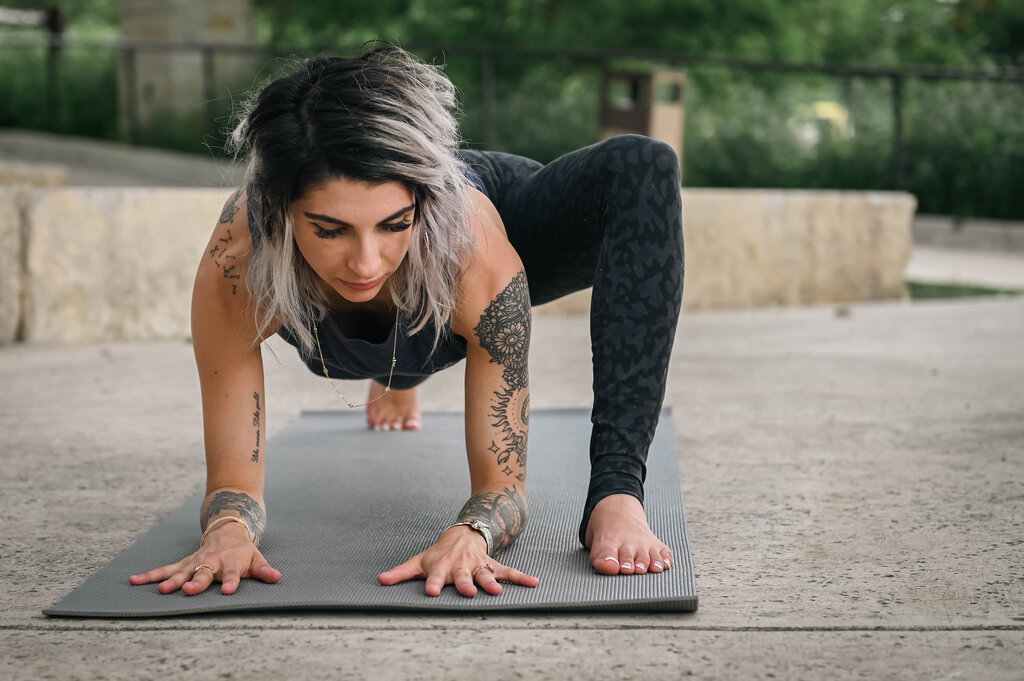
Physical activity is one of the most effective stress relievers. When you exercise, your body releases endorphins, which are natural mood elevators. It also helps reduce the negative effects of stress hormones like cortisol.
You don't need to run a marathon to feel the benefits. A brisk 20-minute walk, a bike ride, a dance session, or some gardening can all help clear your head and reduce stress. The key is to find an activity you enjoy and make it a regular part of your routine.
Organize Your Time
Feeling like you have too much to do and not enough time is a major source of stress. Effective time management isn't about cramming more tasks into your day; it's about being intentional with your time. By prioritizing tasks and setting clear boundaries, you can regain a sense of control.
One popular method is the Eisenhower Matrix, which helps you sort tasks based on their urgency and importance. This simple grid can help you decide what to do now, what to schedule for later, what to delegate, and what to eliminate.
| Urgent | Not Urgent | |
|---|---|---|
| Important | Do First Crises, deadlines, pressing problems | Schedule Prevention, planning, relationship building |
| Not Important | Delegate Interruptions, some meetings, some emails | Eliminate Time wasters, trivial activities, some social media |
Using this matrix can prevent you from spending your day putting out fires and allow you to focus on what truly matters, which significantly reduces feelings of being overwhelmed.
Ready to check your understanding? Let's see what you've learned about these stress management techniques.
What is the primary goal of mindfulness meditation for stress management?
Physical activity is an effective stress reliever because it prompts the body to release natural mood elevators called ____.
By actively using these strategies, you can build resilience and navigate life's challenges with greater calm and control.