Enhancing Erections After 50
Anatomy and Physiology
The Structure of the Penis
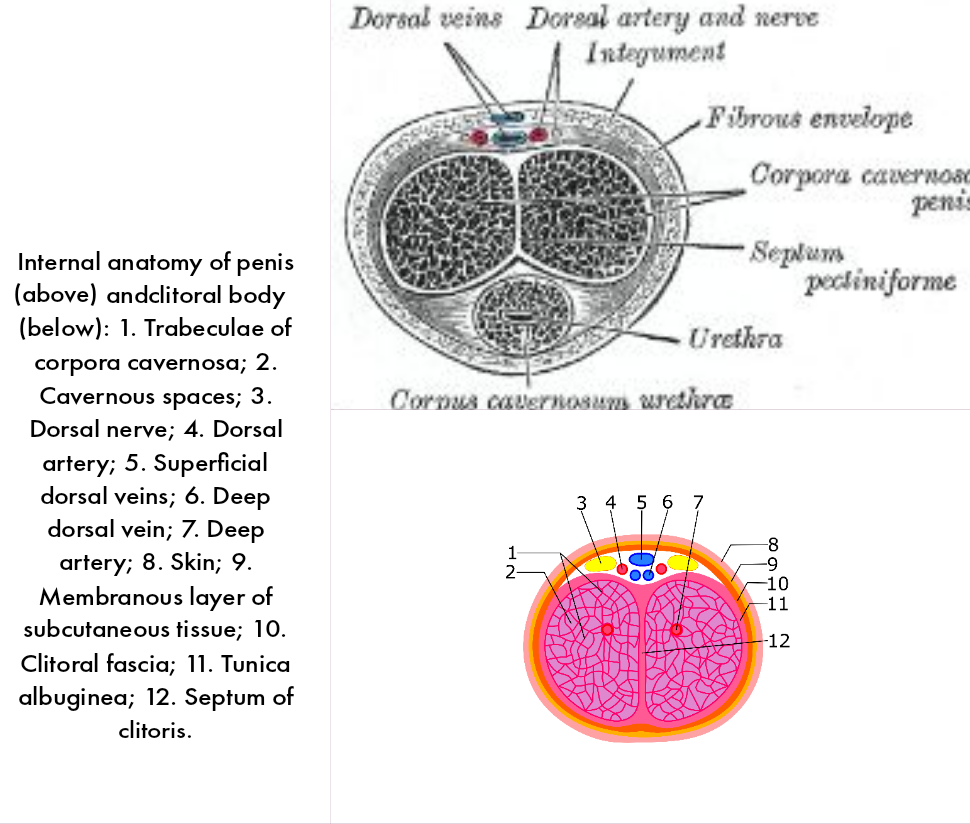
The penis is composed of three cylindrical columns of erectile tissue. Two of these, lying side-by-side, are the corpora cavernosa. The third column, the corpus spongiosum, sits below them and surrounds the urethra—the tube responsible for expelling both urine and semen from the body.
The corpora cavernosa are like two sponges, filled with a complex network of smooth muscle, fibrous tissue, and blood spaces. These are the primary chambers that engorge with blood during an erection, causing the penis to become rigid. The corpus spongiosum also fills with blood, but it stays softer. This ensures the urethra remains open, allowing for the passage of semen during ejaculation.
The Mechanics of an Erection
Achieving an erection is a finely tuned process involving the brain, nerves, hormones, and blood vessels. It all begins with sexual arousal, which can be triggered by thoughts, sights, or physical touch.
This stimulation prompts the brain to send nerve signals down the spinal cord to the pelvic region. This is where the vascular and neural systems kick into high gear.
Vascular and Neural Pathways
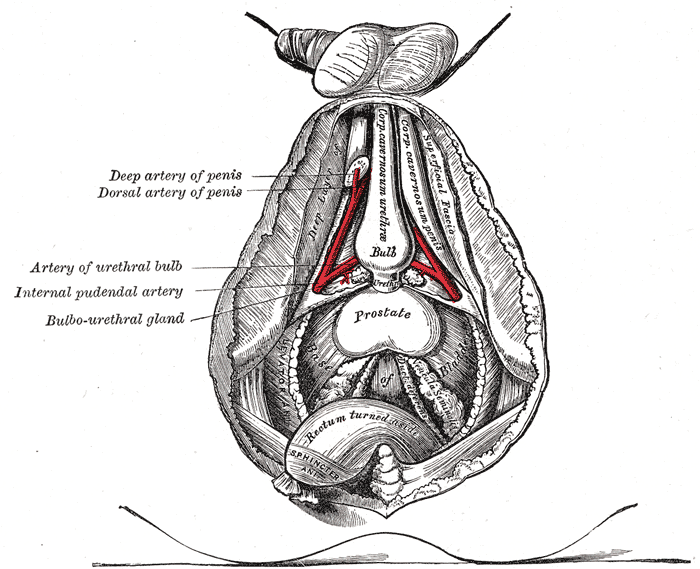
Upon receiving signals from the brain, nerves in the penis release chemical messengers, primarily nitric oxide. This chemical tells the smooth muscles in the arteries of the corpora cavernosa to relax.
When these arteries relax, they widen, allowing a surge of blood to flow into the spongy erectile tissues. It's like opening a floodgate. As the corpora cavernosa fill with blood, they expand and press against the veins that normally drain blood away from the penis. This pressure compresses the veins, trapping the blood inside and maintaining the erection's firmness.
This entire process is managed by the autonomic nervous system. The parasympathetic nerves are responsible for starting the erection, while the sympathetic nerves are involved in returning the penis to its flaccid state after ejaculation or when arousal ceases.
The Role of Hormones
While the immediate mechanics are vascular and neural, hormones provide the underlying support for sexual function. Testosterone, the primary male sex hormone, is key. It doesn't directly cause erections, but it plays a crucial role in maintaining libido, or sex drive.
Think of testosterone as the fuel for the engine of desire. It helps ensure the brain and nervous system are responsive to sexual stimuli. Without adequate testosterone levels, the initial spark of arousal needed to begin the erection process may be diminished.
So, while an erection is a local event in the penis, it's orchestrated by a complex interplay of systems throughout the body. The brain initiates the signal, nerves transmit it, blood vessels execute the mechanical change, and hormones maintain the overall drive.