Enhancing AI for Design
Introduction to AI in Design
A New Partner in Design
For decades, designers have used computers to bring their ideas to life. From the first drawing programs to modern 3D modeling software, digital tools have become essential. Now, artificial intelligence is the next step in that evolution. It isn't just another piece of software; it's a new kind of creative partner.
Think of AI as a collaborator that can handle tedious tasks, suggest new directions, and generate ideas at a speed no human can match. This partnership allows designers to focus more on strategy, storytelling, and the core problems they're trying to solve.
AI isn’t here to replace designers, it’s here to amplify creativity, speed up workflows, and unlock new ideas.
From Assistant to Creator
The role of AI in design didn't appear overnight. Early on, computer-aided design (CAD) software helped automate precise drafting, but the creative vision was entirely human. These tools were like very obedient assistants, following every command without offering any input.
Over time, software became smarter. It could suggest layouts or optimize a design based on simple rules. But the real shift came with machine learning. AI began to learn from vast amounts of data—images, user behaviors, and existing designs. Instead of just following rules, it started to recognize patterns and make its own suggestions.
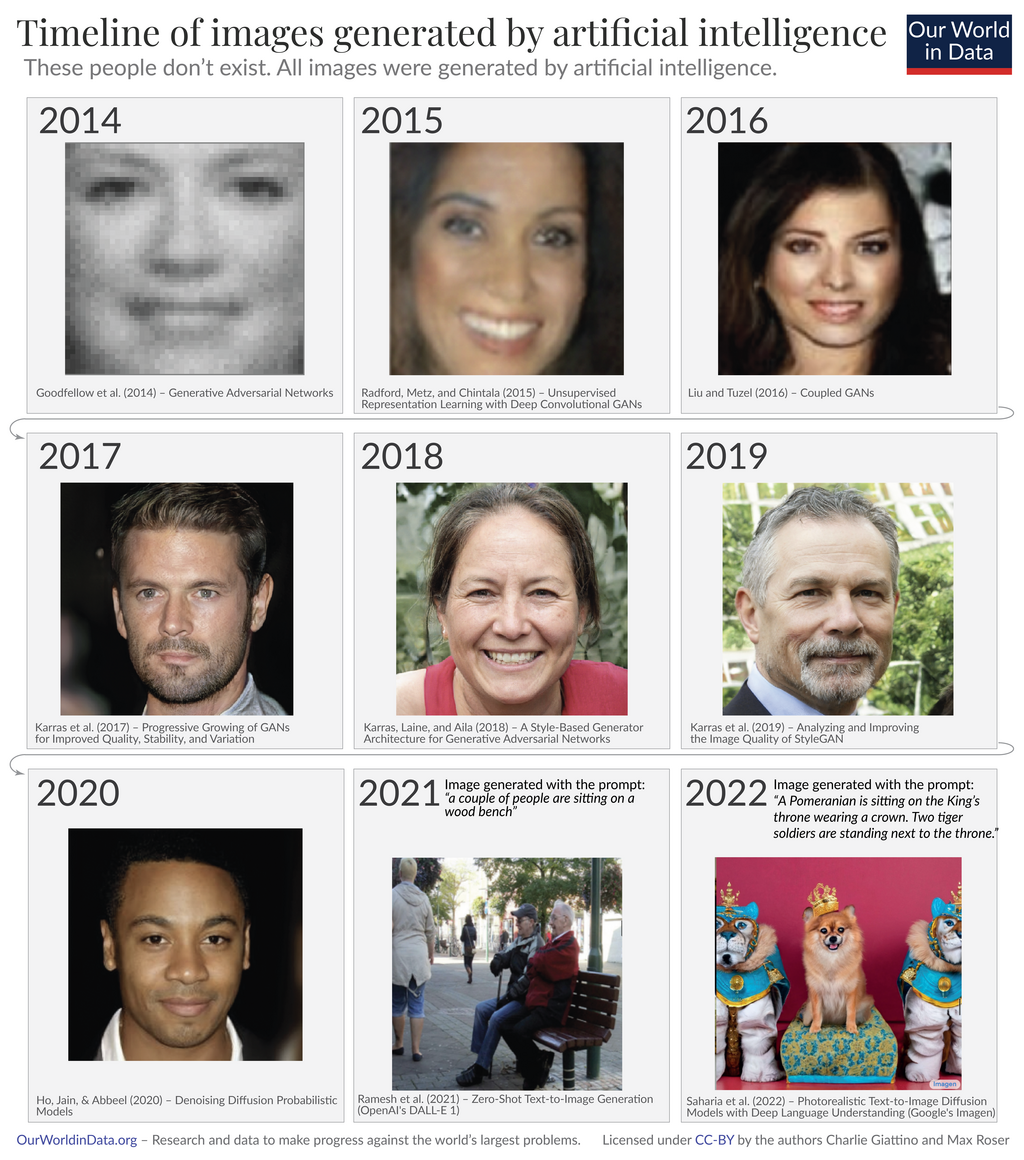
Today, generative AI can create entirely new visuals, interfaces, and product concepts from a simple text prompt. It has evolved from a simple assistant into an active participant in the creative process.
AI's Impact on Design Fields
AI is not a one-size-fits-all tool. Its impact varies across different design disciplines, offering unique advantages to each.
| Design Discipline | How AI is Used |
|---|---|
| Graphic Design | Quickly generate logos, illustrations, and marketing materials. Explore countless visual styles in minutes. |
| UX/UI Design | Create user personas, analyze user feedback to find pain points, and generate wireframe variations for testing. |
| Product Design | Suggest new forms based on material constraints, optimize for manufacturing, and simulate product performance. |
| Fashion Design | Generate new textile patterns, predict fashion trends, and create virtual prototypes to reduce waste. |
Across all these fields, the common thread is efficiency and exploration. AI tools can take a single idea and instantly produce dozens of variations, helping designers escape creative blocks and discover unexpected solutions.
Augmenting Creativity
A common fear is that AI will make human designers obsolete. However, the reality is more nuanced. AI excels at generation and analysis, but it lacks the critical thinking, empathy, and cultural understanding that are at the heart of great design.
An AI can generate a beautiful chair, but it doesn't understand what it feels like to sit in it after a long day. It can create a user interface, but it can't empathize with a user's frustration.
The designer's role is shifting from that of a pure creator to a creative director. They guide the AI, curate its outputs, and provide the strategic vision that a machine cannot. This approach, often called augmented intelligence, combines the best of human and machine capabilities. The AI handles the heavy lifting of production and iteration, freeing up the designer to focus on the big picture.
The future of design isn’t artificial intelligence; it’s augmented intelligence, a co-pilot between our creativity and AI’s power.
By embracing AI as a powerful tool, designers can push their creative boundaries, work more efficiently, and ultimately deliver better, more thoughtful solutions.