Enhance Athletic Performance
Fundamentals of Athletic Performance
The Three Pillars of Performance
What makes a great athlete? It’s not just one thing. Athletic performance rests on three core pillars: physical conditioning, skill development, and strategic thinking. Think of them as the legs of a stool. If one is weak, the whole thing becomes unstable. Top athletes don't just excel in one area; they build a strong foundation in all three.
This holistic approach recognizes that the body and mind are deeply connected. A physically fit athlete with poor technique will struggle, just as a skillful player who makes bad decisions won't reach their potential. Let's break down each of these pillars.
Building the Engine
Physical conditioning is about preparing your body for the demands of your sport. It's the engine that powers every move you make. This involves training different aspects of fitness, like strength, endurance, speed, and flexibility. A well-conditioned body can perform at a higher level for longer and is less prone to injury.
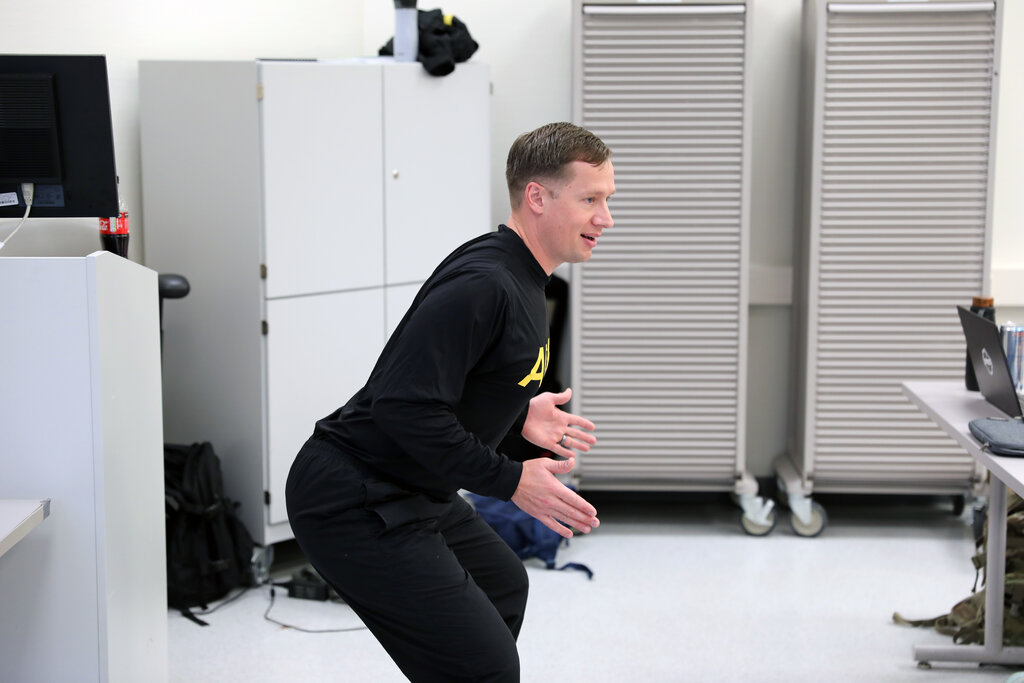
Strength training, for example, isn't just about lifting heavy weights. It's about building the power to jump higher, throw farther, or hold your ground against an opponent. Endurance training ensures you have the stamina to keep going in the final minutes of a game. Every sport has unique physical demands, so conditioning should be tailored to what an athlete needs most on the field, court, or track.
By maintaining strong fitness and conditioning, this will ensure you’re in top physical shape to perform effectively throughout the game.
Honing Your Craft
Skill development is the second pillar. This is where you practice the specific actions required for your sport. For a basketball player, it's dribbling, shooting, and passing. For a swimmer, it's perfecting a stroke. These are the tools you use to play the game.
Think of fundamentals as the core concepts and movement patterns that make all those techniques work.
Mastering these skills requires repetition and deliberate practice. It's about building muscle memory so that when the pressure is on, you can execute flawlessly without having to think. A physically gifted athlete who can't dribble a basketball is just a person who can run and jump well. The skill is what turns that physical potential into actual performance. The goal is to make complex movements feel effortless and automatic.
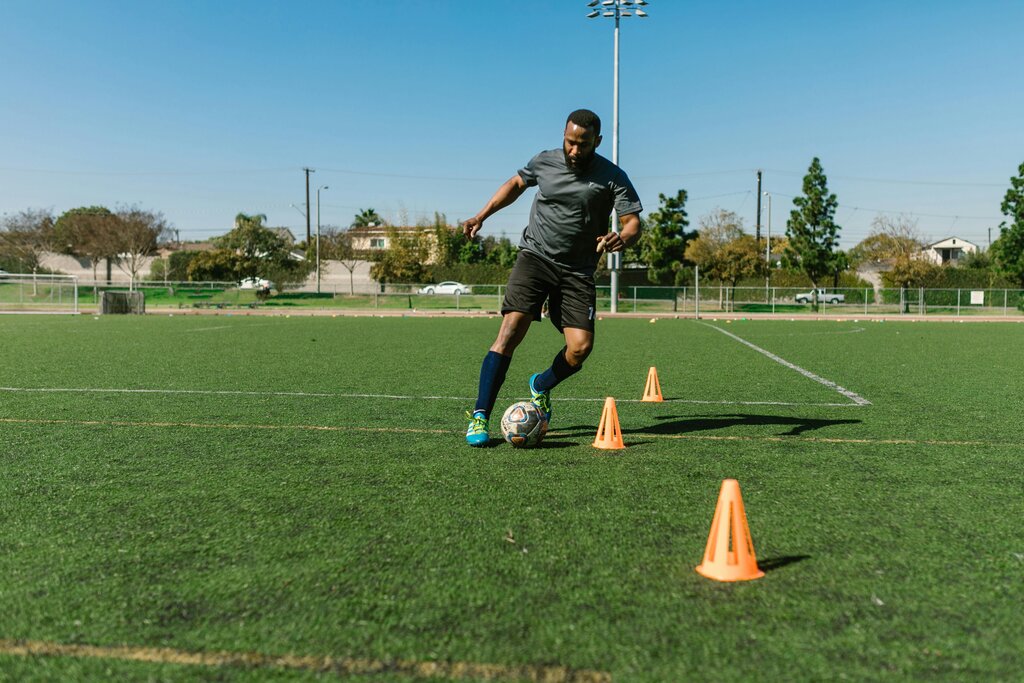
Great skill development also involves understanding the nuances of technique. Small adjustments in form can lead to big improvements in results. This is where good coaching becomes invaluable, providing feedback to refine movements and break bad habits.
Playing Smarter
The final pillar is strategic thinking, or what some call
This holistic model shows how these three areas work together. You can't maximize your potential by focusing on just one. True athletic excellence comes from integrating physical prowess, technical mastery, and sharp, strategic thinking. Each pillar supports and enhances the others, leading to a well-rounded and resilient athlete.
Ready to see how these concepts fit together? Test your understanding.
According to the 'three pillars' model, what are the core components of athletic performance?
A tennis player has powerful serves and groundstrokes but frequently makes poor decisions about when to approach the net. Which pillar requires the most attention?
By understanding and training these fundamental pillars, an athlete builds the foundation for success. It's a continuous process of building the body, sharpening skills, and training the mind.