English Word Roots Uncovered
Introduction to Etymology
What's in a Word?
Every word has a story. Just like a family has a family tree, a word has a history that traces its journey through time and across languages. The study of these word histories is called etymology.
etymology
noun
The study of the origin of words and the way in which their meanings have changed throughout history.
Why bother digging into a word's past? Because it's a powerful shortcut to learning English. When you understand where words come from, you start to see patterns. Unfamiliar words become less intimidating because you can spot familiar parts within them. It makes vocabulary easier to learn, spelling more logical, and reading comprehension much stronger.
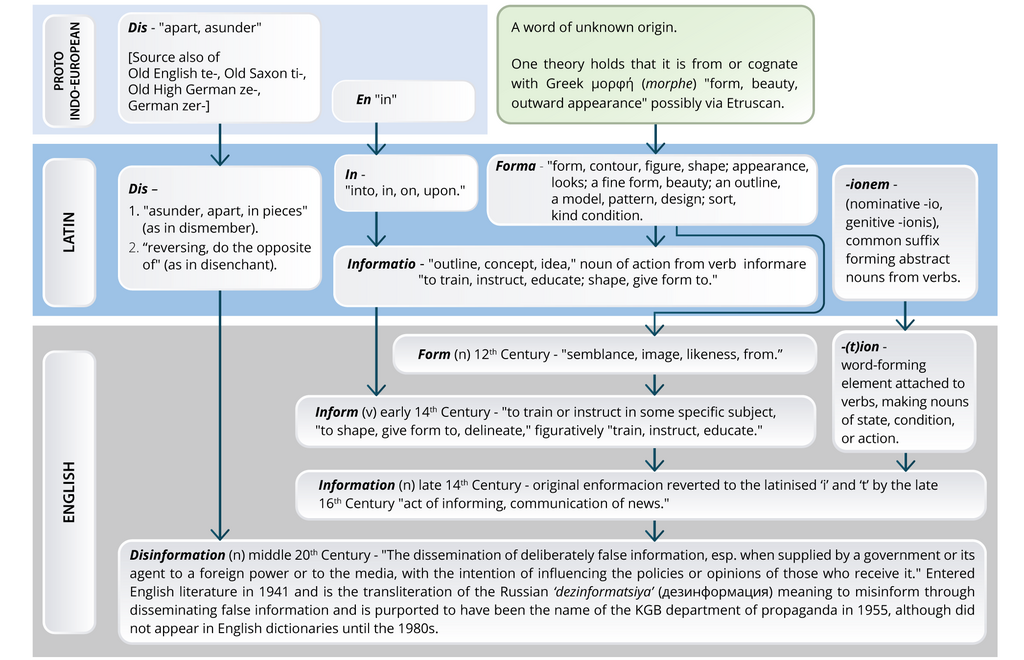
A Melting Pot of Words
The English language is a fantastic mix of words borrowed from all over the world. It began as a Germanic language, but major historical events dramatically shaped its vocabulary. After the Romans left Britain, Latin words related to religion and scholarship remained. Later, Viking invasions brought in words from Old Norse, like sky and leg.
The Norman Conquest of 1066 was a huge turning point. For centuries, French was the language of the government and the upper class. This is why we have so many French words for law (judge, jury), food (beef, pork), and culture (dance, music). During the Renaissance, scholars looked back to ancient Greece and Rome, borrowing thousands of technical and scientific terms directly from Greek and Latin.
This borrowing has never stopped. English continues to adopt words from languages like Spanish (taco), Hindi (shampoo), and Japanese (sushi). This rich history makes English incredibly expressive, but it also explains why its spelling and vocabulary can sometimes seem chaotic.
The Building Blocks
Think of words like LEGO creations. They are often built from smaller, reusable pieces. Understanding these pieces is the key to unlocking the meaning of thousands of words.
The three main building blocks are:
- Root Words: The core of a word that holds its primary meaning.
- Prefixes: Word parts added to the beginning of a root word to change its meaning.
- Suffixes: Word parts added to the end of a root word, often changing its part of speech (like from a verb to a noun).
Let's look at the word unbelievable. The root word is believe, which means "to have faith in." The prefix is un-, which means "not." The suffix is -able, which means "can be done."
Putting them together, you get not + believe + can be done. Someone who is unbelievable is someone you can't believe.
| Part | Example | Meaning | What it Does |
|---|---|---|---|
| Prefix | re- in reread | again | Changes the meaning of the root |
| Root | port in transport | carry | Provides the core meaning |
| Suffix | -er in teacher | one who | Changes the word's function |
By learning just a few common prefixes, suffixes, and root words, you equip yourself with a toolkit for decoding countless English words. It transforms vocabulary building from pure memorization into a logical puzzle.
One of the most effective ways to enhance your English vocabulary is by understanding and learning root words and affixes.
Ready to test your understanding of these foundational concepts?
What is the term for the study of the history and origin of words?
The Norman Conquest of 1066 was a major turning point that introduced a large number of words from which language into English?
In the articles to come, we'll start exploring some of the most common roots, prefixes, and suffixes you'll encounter.