English to French Translation Basics
Basic Greetings
Saying Hello
Starting a conversation in French often begins with a simple, polite greeting. In France, it's customary to greet someone when you enter a shop, a bakery, or even a doctor's waiting room. A quick "Bonjour" acknowledges everyone and sets a friendly tone.
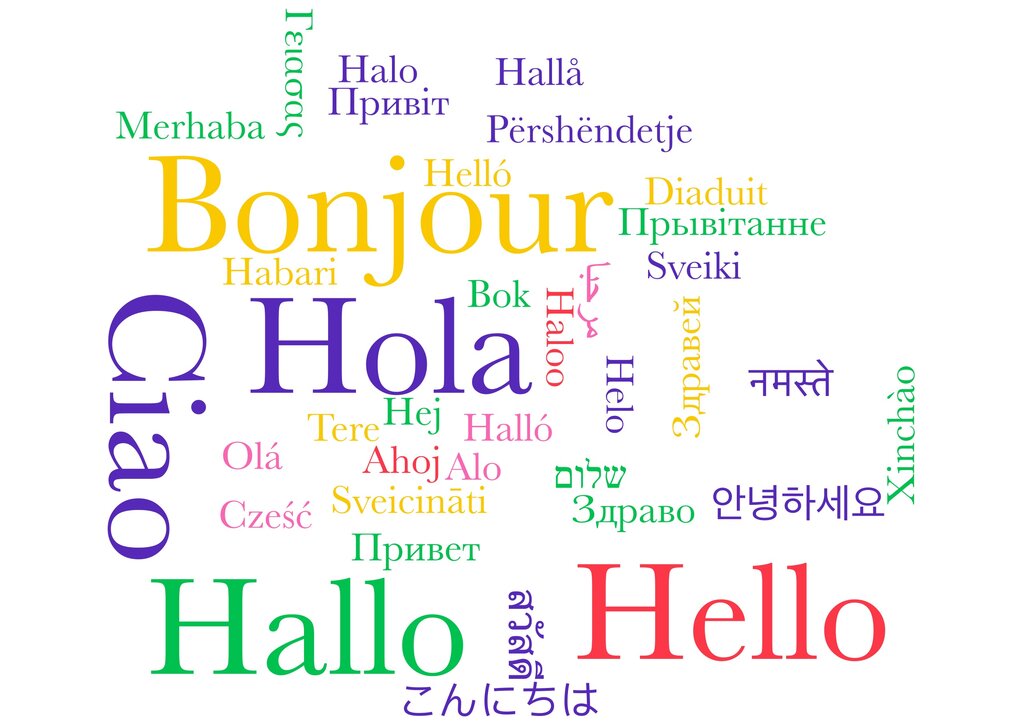
The most essential greeting is Bonjour. It literally means “good day,” and it’s your go-to word for “hello.” You can use it in any situation, whether you're talking to a friend, a shopkeeper, or your boss. It works from the morning until the late afternoon.
Hello / Good day
Once evening arrives, around 6 PM or so, people switch to Bonsoir. It’s just as versatile as Bonjour, but it’s used exclusively at night to say “good evening.”
Good evening
For a more casual greeting, you can use Salut. It's like saying “hi” in English. You’d use this with friends, family, and people your own age. Interestingly, Salut can also mean “bye,” making it a handy, informal word for both greetings and farewells.
Hi / Bye
A good rule of thumb: when in doubt, use Bonjour. It's always a safe and polite choice.
| Greeting | Formality | Time of Day |
|---|---|---|
| Bonjour | Formal / Informal | Morning & Afternoon |
| Bonsoir | Formal / Informal | Evening |
| Salut | Informal | Any time |
Saying Goodbye
Just as there are different ways to say hello, there are several ways to say goodbye. The most common and widely used farewell is Au revoir.
Goodbye
Literally, Au revoir means “until the seeing again.” It’s a polite and standard way to end any conversation, fitting for both formal and informal settings.
If you expect to see the person again soon, you can say À bientôt, which means “See you soon.” It’s friendly and a little more specific than a general goodbye.
See you soon
Finally, you can wish someone well for the rest of their day or night. These phrases are often said after Au revoir.
- Bonne journée means “Have a good day.”
- Bonne soirée means “Have a good evening.”
- Bonne nuit is used right before someone goes to sleep, meaning “Good night.”
You wouldn't say Bonne nuit when leaving a restaurant in the evening. Instead, you'd use Bonne soirée.
Ready to practice what you've learned?
What is the most common and versatile way to say "hello" in French during the daytime?
You walk into a restaurant for dinner at 7 PM. What is the most appropriate greeting to use?