English Language Fundamentals
Alphabet and Pronunciation
The English Alphabet
The English language is built on an alphabet of 26 letters. Mastering these letters is the first step toward reading, writing, and speaking. Each letter has a name and a distinct shape.
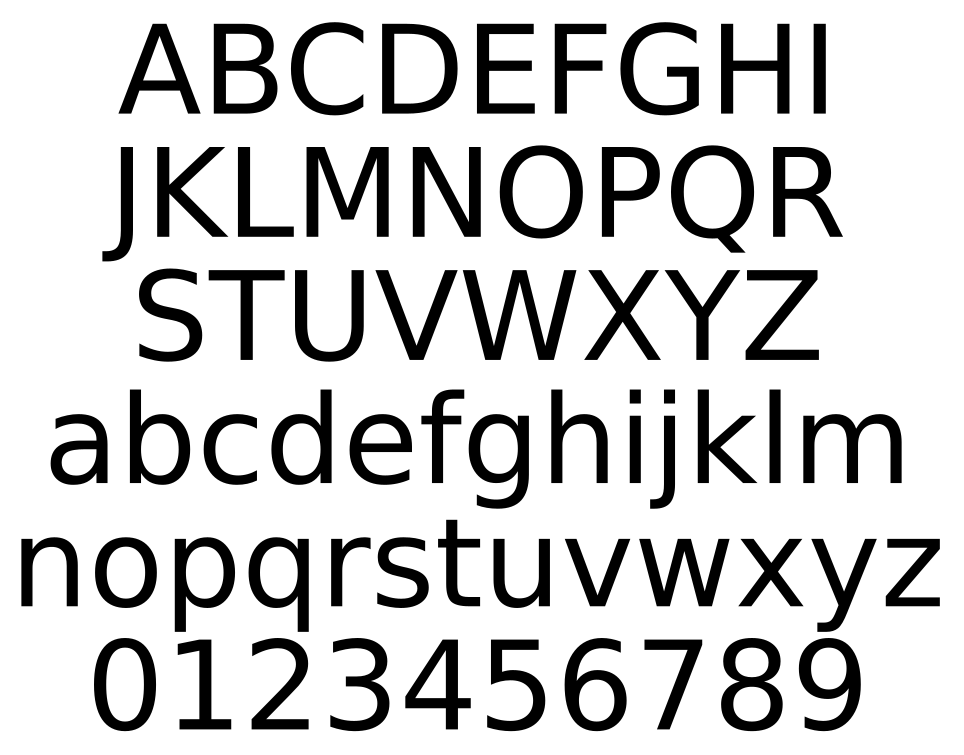
Every letter comes in two forms: uppercase (like A, B, C) and lowercase (like a, b, c). Think of them as two different outfits for the same letter. Uppercase letters, also called capital letters, are used for a few specific jobs. You'll always find one at the beginning of a sentence. They are also used for proper nouns, which are the specific names of people, places, or things, like 'Sarah', 'London', or 'Google'.
Use uppercase for the start of sentences and for specific names. Use lowercase for everything else.
Letters and Their Sounds
While there are only 26 letters, they combine to make over 40 different sounds. This is where phonics comes in. Phonics is the relationship between letters and sounds. Understanding this connection is key to pronunciation. For example, the letter 'c' has a hard sound in 'cat' but a soft sound in 'city'.
phonetics
noun
The study and classification of speech sounds.
The letters are divided into two main groups: vowels and consonants.
- Vowels: A, E, I, O, U. These are the core sounds that form the basis of syllables.
- Consonants: All the other letters (B, C, D, F, etc.). They are the sounds formed by partially or completely blocking air flow.
Almost every word in English has at least one vowel. They work together with consonants to create words.

Basic Pronunciation Rules
English pronunciation doesn't always follow strict rules, but some common patterns can help guide you. One of the most important concepts is the difference between "long" and "short" vowel sounds.
| Vowel | Short Sound (like in...) | Long Sound (like in...) |
|---|---|---|
| A | cat, apple | cake, eight |
| E | bed, egg | feet, me |
| I | sit, igloo | ice, pie |
| O | hot, dog | boat, go |
| U | cup, sun | cute, music |
Another thing to watch for are digraphs. These are pairs of letters that team up to make a single new sound. For example, 's' and 'h' together make the 'sh' sound you hear in 'shoe'. Other common digraphs include 'ch' as in 'chair' and 'th' as in 'think'.
Sometimes letters are completely silent. For instance, the 'k' in 'know' and the 'b' in 'comb' are not pronounced. You learn these through practice and exposure.
Now, let's test your understanding of these foundational concepts.
What is a primary reason to use an uppercase letter?
The letters 's' and 'h' working together to make the 'sh' sound in 'shoe' is an example of what?
Getting comfortable with the alphabet and its sounds is the most important step in your language journey. It builds the foundation for everything that comes next.