English Language Fundamentals
English Alphabet and Sounds
The Building Blocks of English
The English alphabet is a set of 26 letters used to write the language. Think of them as the basic ingredients for every word you'll read, write, and speak in English. Mastering these letters is the first and most important step.
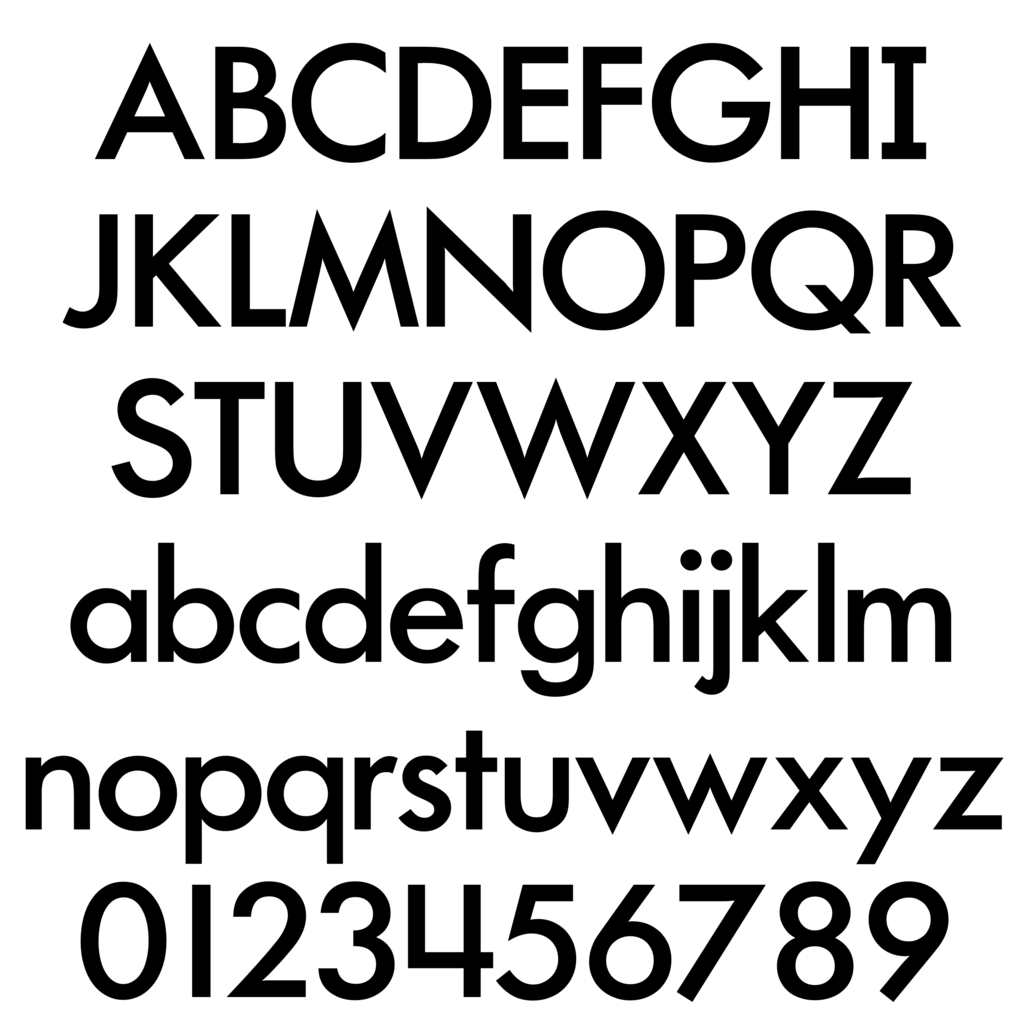
Each letter has two forms: an uppercase (or capital) letter and a lowercase letter. For example, 'A' is uppercase, and 'a' is lowercase. We use uppercase letters for the beginning of sentences and for names, like 'Maria' or 'London'.
Vowels and Consonants
The 26 letters are divided into two groups: vowels and consonants. This distinction is all about the sounds they make.
vowel
noun
A speech sound made with your mouth fairly open, allowing air to flow freely. The vowels are A, E, I, O, and U.
Every single word in English has at least one vowel. Sometimes 'Y' can act as a vowel too, like in the word 'sky'.
All the other letters in the alphabet are consonants. When you make a consonant sound, your breath is partially blocked by your teeth, tongue, or lips. For example, to make the 'b' sound, you press your lips together for a moment. To make the 't' sound, your tongue touches the roof of your mouth.
From Letters to Words
Knowing the letters is the first part. The second part is learning the most common sound each letter makes. This is the key to reading. The letter 'B' has the name "bee," but it makes the sound you hear at the beginning of the word "ball."
Let's look at a few examples of how letter sounds combine to form simple words. Try saying the sound for each letter, then blend them together to say the word.
| Letters | Sounds | Word |
|---|---|---|
| C - A - T | k - æ - t | cat |
| D - O - G | d - ɑ - g | dog |
| S - U - N | s - ʌ - n | sun |
| P - E - N | p - ɛ - n | pen |
| B - I - G | b - ɪ - g | big |
This connection between a letter and its sound is called phonics. As you can see, vowels and consonants work together. The consonants provide the structure, and the vowels give the word its core sound.
Building words is like putting together a puzzle. You take a few consonants, add a vowel, and you have a word. This simple pattern is the foundation of thousands of English words.
Now, let's test your understanding of these building blocks.
How many letters are in the English alphabet?
What is the main difference between how vowel and consonant sounds are produced?
Practice recognizing these letters and making their sounds. It's the most powerful skill you can build as you start learning English.