English Language Fundamentals
Alphabet and Pronunciation
The Building Blocks of English
The English alphabet is the starting point for everything: reading, writing, and speaking. It has 26 letters. Each letter has two forms: a big one, called uppercase or capital, and a small one, called lowercase.
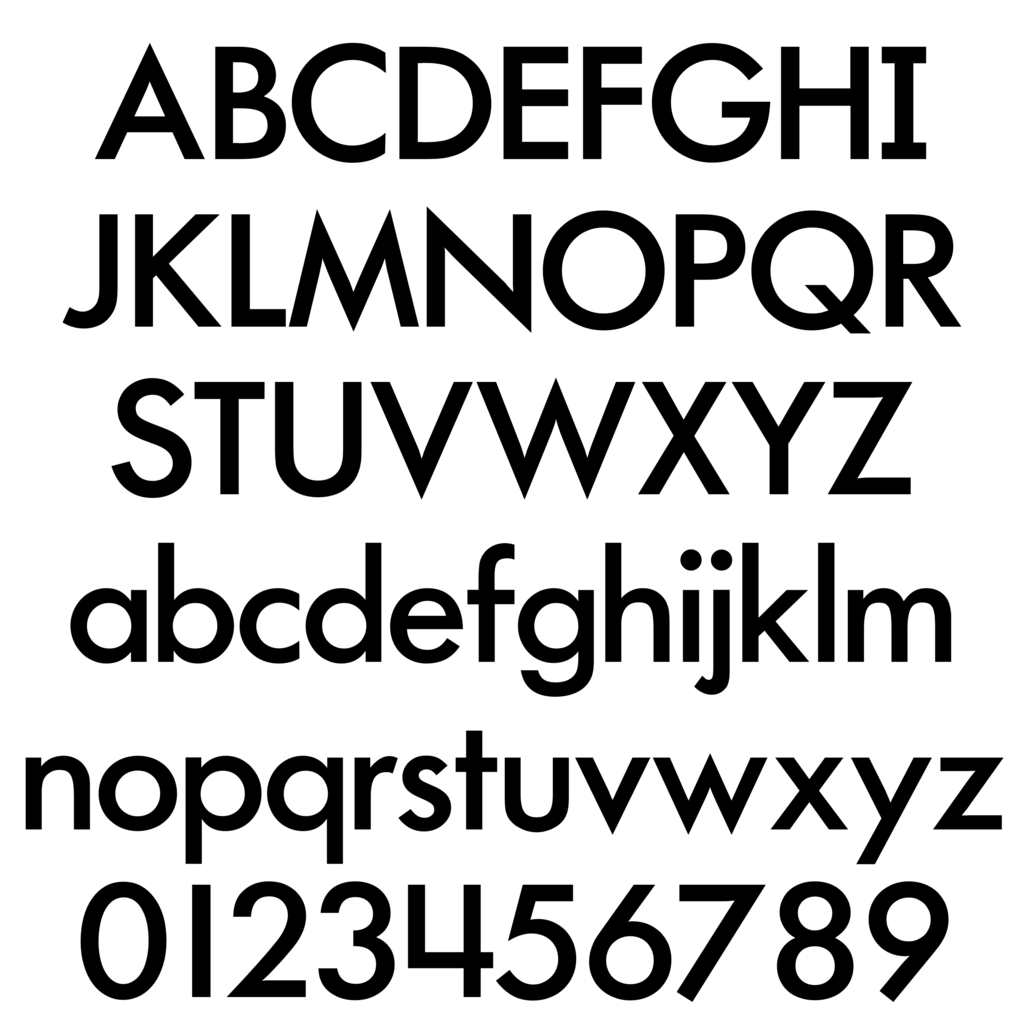
You'll use uppercase letters for the start of sentences and for important names, like "John" or "Paris." Lowercase letters make up the rest of most words. They might look different, but they represent the same letter and sound.
Each letter has a name and a sound. The name is what you call the letter (like "bee" for B), but the sound is what you use when you read a word (like the /b/ sound in "ball"). This difference is key to good pronunciation.
Vowels and Consonants
Every letter in the alphabet is either a vowel or a consonant. Think of vowels as the open, flowing sounds that carry the word. Consonants are the sounds that start, stop, or shape the vowel sounds.
vowel
noun
A speech sound produced with an open vocal tract. The letters A, E, I, O, U are the primary vowels in English.
The five vowels are A, E, I, O, U. Sometimes the letter Y can act as a vowel, too, like in the word "sky."
consonant
noun
A speech sound that is articulated with complete or partial closure of the vocal tract. All letters that are not vowels are consonants.
Understanding the role of vowels and consonants helps you break down words and pronounce them correctly. Vowels are the heart of a syllable.
Basic Letter Sounds
While English pronunciation has many rules, starting with the most common sound for each letter is a great first step. Let's look at a few examples.
| Letter | Common Sound | Example Word |
|---|---|---|
| B | /b/ | ball |
| D | /d/ | dog |
| F | /f/ | fish |
| K | /k/ | kite |
| M | /m/ | moon |
| P | /p/ | pen |
| T | /t/ | top |
Vowels often have more than one sound, which can be tricky. They have a "short" sound and a "long" sound. The long sound is usually the same as the letter's name.
| Vowel | Short Sound Example | Long Sound Example |
|---|---|---|
| A | cat | cake |
| E | bed | feet |
| I | sit | bike |
| O | hot | boat |
| U | cup | cute |
The best way to learn these is through practice. Listening to native speakers and repeating the sounds will build your confidence.
Listen and repeat: Listening to native speakers and audio recordings of the Arabic alphabet helps in familiarizing yourself with pronunciation.
Let's check what you've learned about the fundamentals of the English alphabet.
How many letters are in the English alphabet?
When are uppercase letters used?
Getting comfortable with the alphabet and its basic sounds is the first major step to mastering English. Keep practicing, and you'll build a strong foundation for everything that comes next.