English in 11 Days
Alphabet and Numbers
The Building Blocks of English
Letters are the foundation of written English. Every word you read or write is made from a combination of just 26 letters. Think of them as the basic ingredients for a recipe. Once you know them, you can start putting them together to make anything.
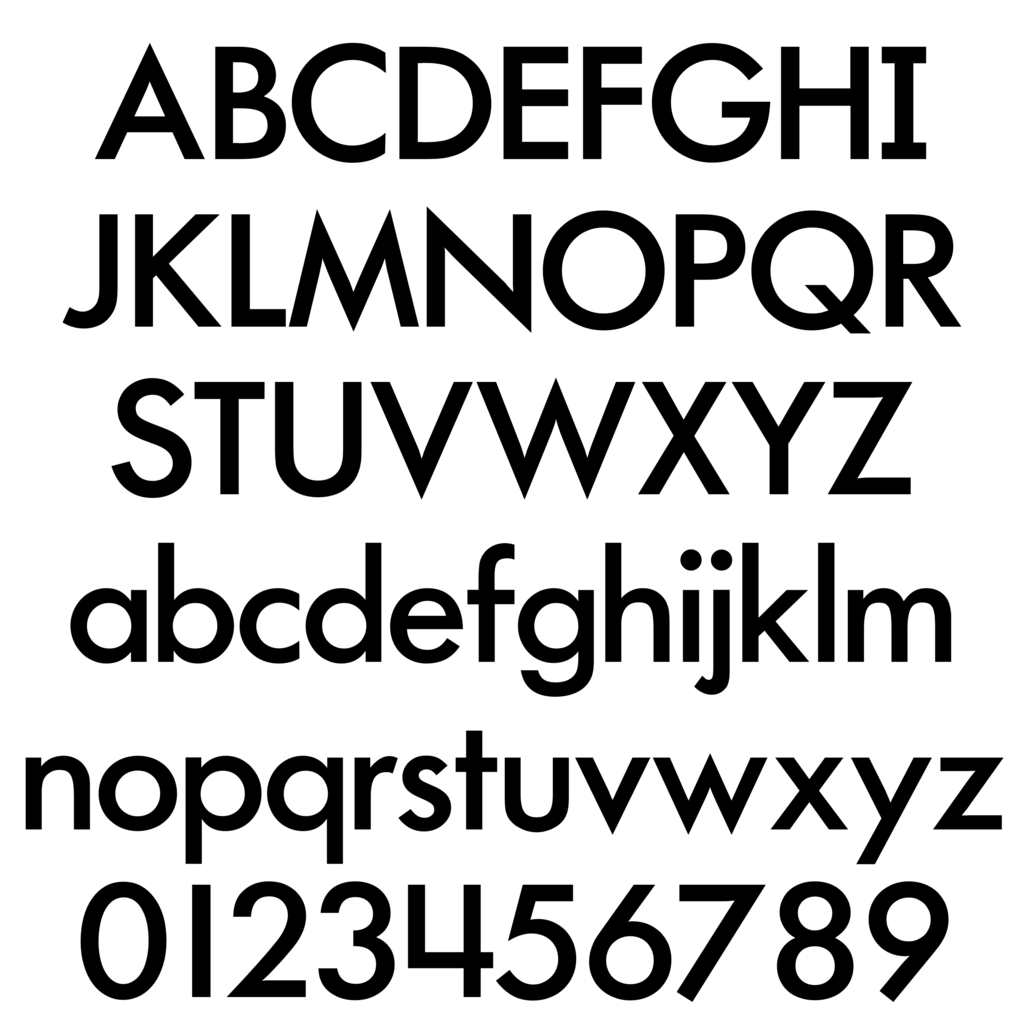
Each letter comes in two forms: uppercase (like A, B, C) and lowercase (like a, b, c). Uppercase letters are used at the beginning of sentences and for names of people and places. Lowercase letters make up the rest of the words.
Mastering these 26 letters is the first and most important step to reading and writing in English.
From Letters to Sounds
Every letter represents at least one sound. Learning these sounds is how you learn to pronounce words. We can split the alphabet into two main groups: vowels and consonants.
Vowels are the core of every word. The English vowels are A, E, I, O, and U. Every word in English has at least one vowel sound. Consonants are all the other letters in the alphabet.
vowel
noun
A speech sound produced by comparatively open configuration of the vocal tract, with vibration of the vocal cords but without audible friction.
Here is a simple guide to the most common sound each letter makes.
| Letter | Sound Example |
|---|---|
| A a | apple |
| B b | ball |
| C c | cat |
| D d | dog |
| E e | egg |
| F f | fish |
| G g | goat |
| H h | hat |
| I i | igloo |
| J j | jam |
| K k | kite |
| L l | lion |
| M m | moon |
| N n | nose |
| O o | octopus |
| P p | pig |
| Q q | queen |
| R r | rat |
| S s | sun |
| T t | turtle |
| U u | umbrella |
| V v | van |
| W w | water |
| X x | box |
| Y y | yes |
| Z z | zebra |
Counting to 100
Just like letters build words, numbers build quantities. Learning to count is essential for everything from telling time to buying groceries. We'll start with the basics and work our way up to one hundred.
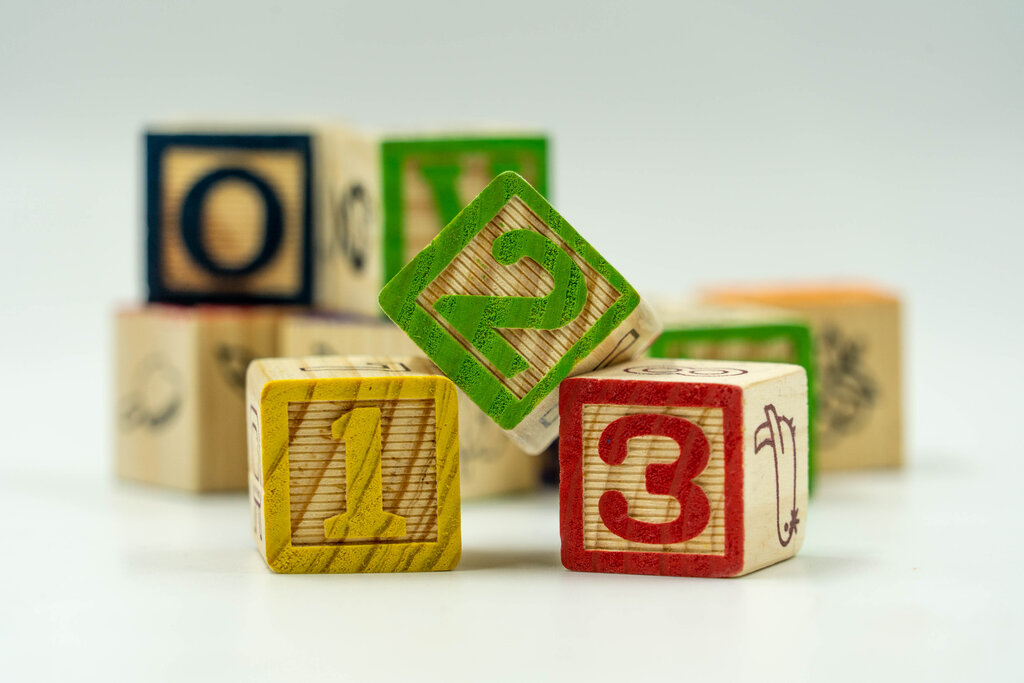
Let's begin with the first ten numbers. These are the foundation for all the others.
| Number | Word |
|---|---|
| 1 | one |
| 2 | two |
| 3 | three |
| 4 | four |
| 5 | five |
| 6 | six |
| 7 | seven |
| 8 | eight |
| 9 | nine |
| 10 | ten |
The numbers from 11 to 19 follow a pattern, often ending in "-teen."
| Number | Word |
|---|---|
| 11 | eleven |
| 12 | twelve |
| 13 | thirteen |
| 14 | fourteen |
| 15 | fifteen |
| 16 | sixteen |
| 17 | seventeen |
| 18 | eighteen |
| 19 | nineteen |
After nineteen, we count in tens. Mastering these will make counting to 100 much easier.
| Number | Word |
|---|---|
| 20 | twenty |
| 30 | thirty |
| 40 | forty |
| 50 | fifty |
| 60 | sixty |
| 70 | seventy |
| 80 | eighty |
| 90 | ninety |
| 100 | one hundred |
To make numbers in between, you just combine the ten-word with the one-word. You connect them with a hyphen.
For example, 21 is 'twenty-one'. The number 58 is 'fifty-eight'. The number 93 is 'ninety-three'.
Time to review what we've learned.
Now, let's check your understanding with a few questions.
When should you use an uppercase letter?
Which of the following groups contains only vowels?
With the alphabet and numbers mastered, you have the core tools you need to continue learning English.