English for Brazilian Speakers
English Alphabet and Sounds
Letters and Names
Welcome to the foundation of English: the alphabet. It has 26 letters, just like Portuguese, but many of the sounds are different. Mastering these letters and their sounds is the first step toward clear communication. Let's start by looking at the letters themselves.
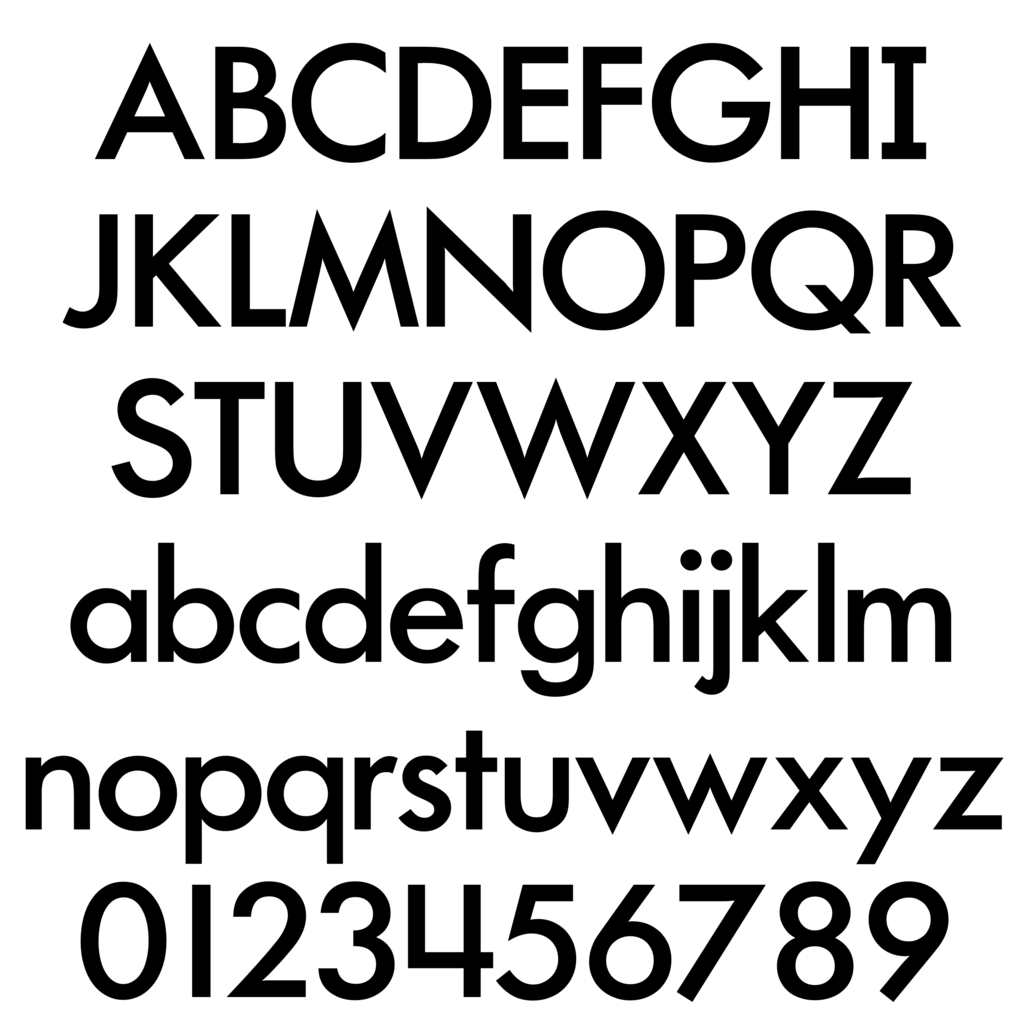
Each letter has a name, which is how we say the letter when we spell a word. For example, the name of the first letter is "ei" (A), and the name of the second is "bi" (B). You might notice that some letter names sound like Portuguese, but many are unique to English.
Vowels and Consonants
The alphabet is divided into two groups: vowels and consonants. The vowels are A, E, I, O, and U. Sometimes Y is also considered a vowel. All other letters are consonants.
English vowels are tricky because each one can represent several different sounds. For example, the 'a' in "cat" sounds very different from the 'a' in "car" or "cake". We'll focus on the most common sounds for now.
The key challenge for Portuguese speakers isn't learning new letters, but learning the new sounds that familiar letters can make.
Consonants are generally more consistent than vowels, but a few sounds don't exist in Portuguese. These are the ones that require the most practice.
Challenging Sounds
Let's tackle the sounds that often cause trouble for Brazilian Portuguese speakers. Getting these right will make a huge difference in how well you are understood.
aspirate
verb
To pronounce a sound with an exhalation of breath. In English, the letter 'h' at the start of a word is often aspirated.
First is the letter H. In Portuguese, the 'h' at the beginning of a word is silent. In English, it has a breathy sound, like you're blowing out a candle. Put your hand in front of your mouth and say "happy" or "house". You should feel a puff of air. This sound is very important in English.
Next up is TH. This combination creates two sounds that are not found in Portuguese. To make them, you need to place the tip of your tongue between your front teeth.
- The unvoiced TH sound, as in "think" and "three". It's a soft, airy sound. There is no vibration in your throat.
- The voiced TH sound, as in "this" and "that". For this one, you make a buzzing sound with your vocal cords. You should feel a vibration in your throat.
The English R is also different. Instead of being at the front of the mouth like the Portuguese 'r' in "caro" or in the throat like in "carro", the English 'r' is made in the middle of the mouth. Your tongue pulls back and curls up slightly, but it doesn't touch the roof of your mouth. Try saying "red" and "run" while focusing on this tongue position.
Finally, let's talk about the L sound at the end of a word or syllable, often called the "dark L". In words like "ball" or "feel", the sound is different from the 'l' at the beginning of a word like "light". In Brazilian Portuguese, an 'l' in this position often sounds like 'u'. In English, the tip of your tongue must touch the area just behind your top teeth. Try saying "Brazil" with the English 'l' sound at the end. It's a small change that makes a big difference.
Now, let's test your understanding of these fundamental concepts.
Which of the following groups contains only vowels?
How is the letter 'H' at the beginning of an English word like 'happy' typically pronounced?
Practice is the most important part of learning pronunciation. Listen carefully to native speakers and try to imitate the sounds. It will feel strange at first, but it will become natural over time.