English for Beginners
Alphabet and Numbers
The Building Blocks of English
The English language is built on an alphabet of 26 letters. Mastering these is the first step to reading, writing, and speaking. Each letter has two forms: an uppercase (or capital) letter and a lowercase letter. Uppercase letters are used for the beginning of sentences and for proper names, like 'John' or 'London'.
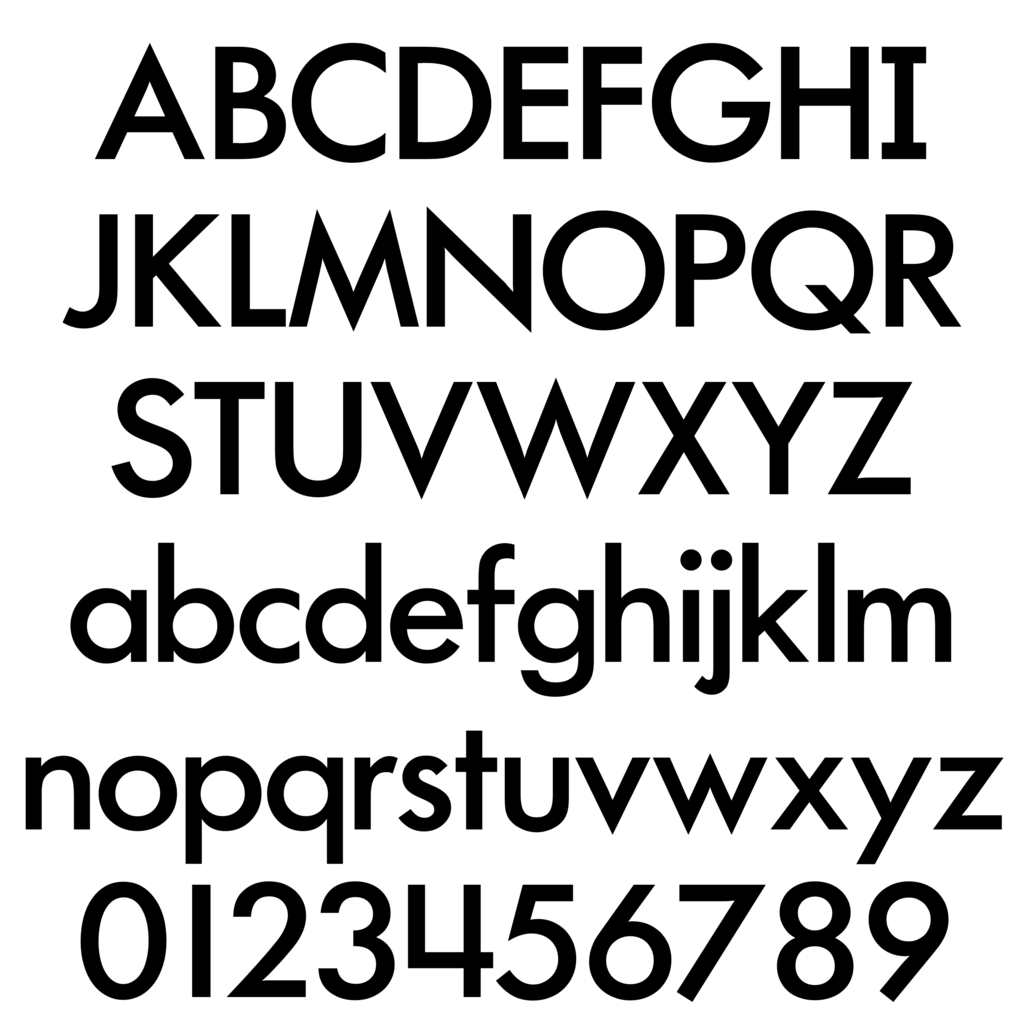
For example, the first letter of the alphabet is 'A' in its uppercase form and 'a' in its lowercase form. They represent the same letter and sound, but are used in different situations. Think of 'Apple' versus 'apple'. The meaning is the same, but the capitalization tells us about its position in a sentence.
Letters and Their Sounds
Each letter has a name (like 'bee' for the letter B) and makes one or more sounds. Combining these sounds is how we form words. The alphabet is divided into two main groups: vowels and consonants.
Vowels are A, E, I, O, and U. They are the core of most words and can even form words on their own, like 'a' or 'I'.
Consonants are all the other letters in the alphabet. They work with vowels to create the wide variety of sounds you hear in English.
Every word you read or speak is just a combination of vowel and consonant sounds.
Learning to recognize each letter and the common sound it makes is the key to unlocking reading.
From Letters to Numbers
Just as letters are for words, numbers are for counting. We use ten basic symbols, called digits, to write all numbers. These are 0, 1, 2, 3, 4, 5, 6, 7, 8, and 9. Let's start with the first ten numbers.
| Numeral | Word |
|---|---|
| 1 | One |
| 2 | Two |
| 3 | Three |
| 4 | Four |
| 5 | Five |
| 6 | Six |
| 7 | Seven |
| 8 | Eight |
| 9 | Nine |
| 10 | Ten |
These ten numbers are the foundation. Every other number, no matter how large, is just a combination of them.
Counting to 100
Once you know the numbers 1 through 10, counting higher is about learning a few simple patterns. First come the 'teens'. Numbers from 13 to 19 all end in the sound 'teen'.
After the teens, we count in groups of ten:
| Numeral | Word |
|---|---|
| 20 | Twenty |
| 30 | Thirty |
| 40 | Forty |
| 50 | Fifty |
| 60 | Sixty |
| 70 | Seventy |
| 80 | Eighty |
| 90 | Ninety |
| 100 | One hundred |
To make numbers in between, you just combine the words. For example, the number 21 is 'twenty-one'. The number 68 is 'sixty-eight'. You take the word for the ten, add a hyphen, and then add the word for the digit.
To say 43, you combine the word for 40 (forty) and the word for 3 (three) to get 'forty-three'.
With these letters and numbers, you now have the basic tools for English. You can spell out words, count objects, and understand prices or dates. Practice recognizing them, saying them aloud, and writing them down.