English for Beginners
Alphabet and Numbers
The Building Blocks
The English alphabet is your starting point for reading, writing, and speaking. It has 26 letters. Each letter comes in two forms: uppercase (or capital) and lowercase.
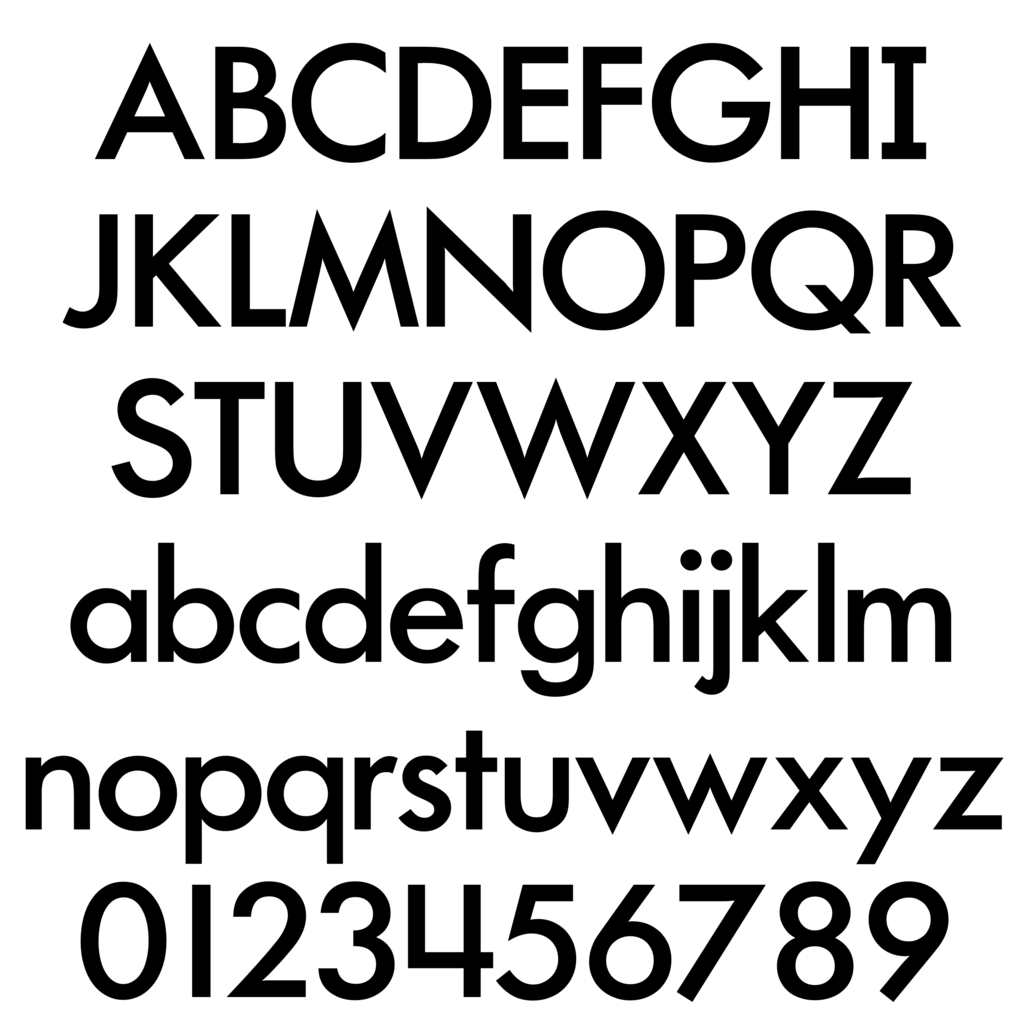
These letters are divided into two groups: vowels and consonants. Vowels are the core of most sounds in English.
The five vowels are: A, E, I, O, U.
All the other letters are called consonants. Knowing the difference will help you understand how words are built and pronounced.
Each letter has a name and makes one or more sounds. For example, the letter B is called /biː/, but it makes the /b/ sound you hear in the word "ball."
| Letter | Letter Name | Example Word |
|---|---|---|
| A a | /eɪ/ | apple |
| B b | /biː/ | ball |
| C c | /siː/ | cat |
| D d | /diː/ | dog |
| E e | /iː/ | egg |
Writing Letters and Numbers
Practice is key to learning how to write. Start by tracing letters to get a feel for their shapes. Pay attention to the difference between uppercase and lowercase letters, like 'B' and 'b'. Uppercase letters are used at the beginning of sentences and for names of people and places.
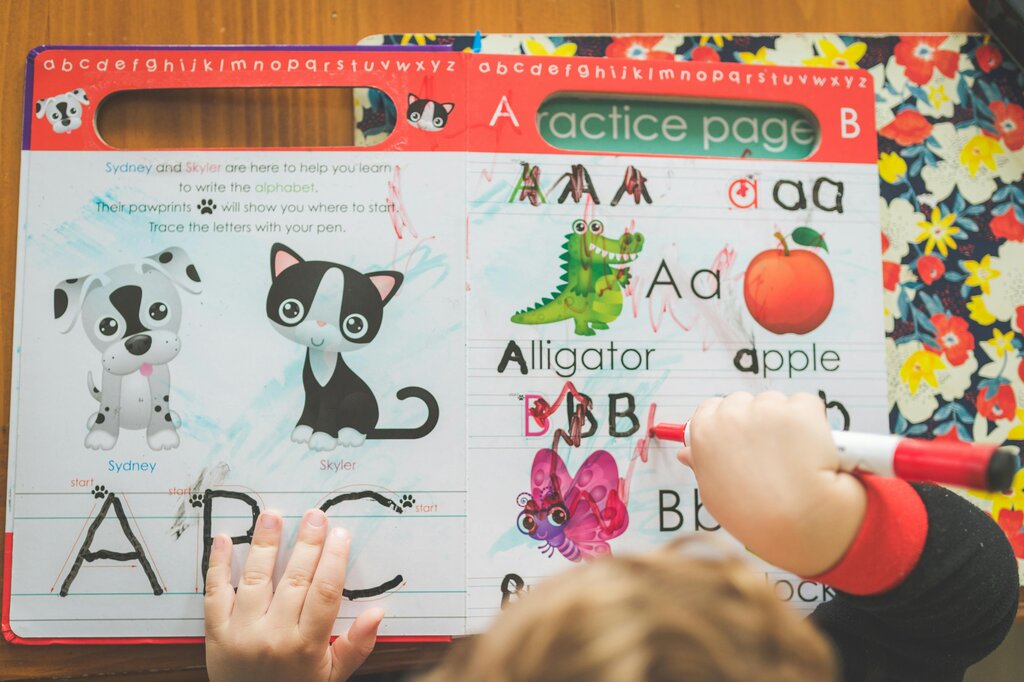
Don't worry about making them perfect at first. The goal is to make them clear and easy to read. Developing muscle memory by writing them over and over will make it feel natural over time.
The English alphabet is the foundation of all English reading, writing, speaking, and listening.
Counting in English
Just like letters build words, numbers are the foundation of counting and math. We'll start with the first ten numbers. Each has a unique name and a symbol, called a numeral.
| Numeral | Word |
|---|---|
| 1 | one |
| 2 | two |
| 3 | three |
| 4 | four |
| 5 | five |
| 6 | six |
| 7 | seven |
| 8 | eight |
| 9 | nine |
| 10 | ten |
After ten, the numbers start to follow patterns. The numbers from 13 to 19 all end in "-teen."
For example: 14 is four + teen = fourteen. 16 is six + teen = sixteen.
The numbers for counting by tens also have a pattern, usually ending in "-ty."
| Numeral | Word |
|---|---|
| 20 | twenty |
| 30 | thirty |
| 40 | forty |
| 50 | fifty |
| 60 | sixty |
| 70 | seventy |
| 80 | eighty |
| 90 | ninety |
| 100 | one hundred |
To make a number like 23, you just combine the words: twenty-three. For 45, it's forty-five. Once you know the numbers 1-10 and the multiples of ten, you can say any number up to 100.
Time to review what you've learned.
Ready to test your knowledge?
How many letters are in the English alphabet?
The letters A, E, I, O, and U are known as what?
Mastering letters and numbers is the first big step. With these fundamentals, you're ready to start building words and sentences.