English for Beginners
Alphabet and Phonics
The Building Blocks of English
Every word you read or write in English is built from a small set of symbols: the alphabet. Think of these 26 letters as the foundational bricks for the entire language. Mastering them is the first step toward reading, writing, and speaking with confidence.
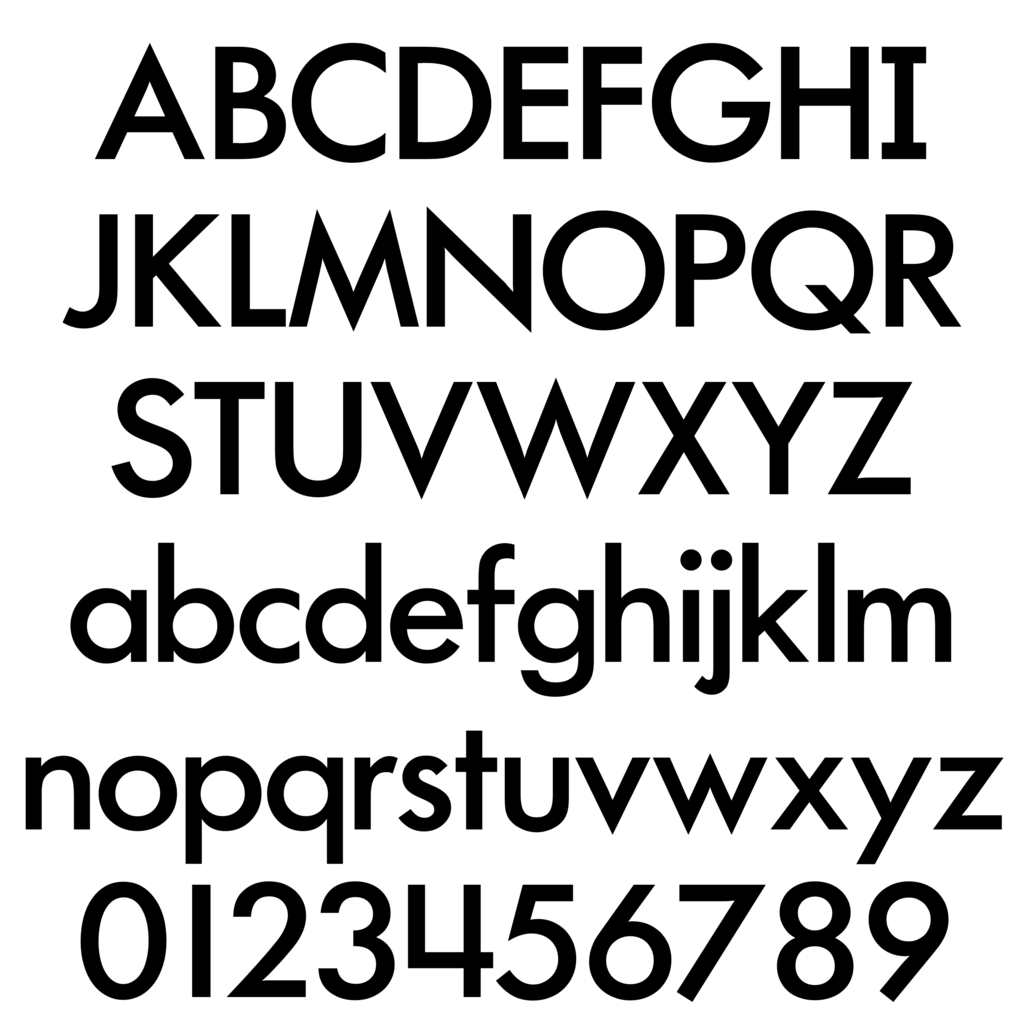
But letters aren't just shapes on a page. Each one represents a sound, or sometimes a few different sounds. The connection between a letter and its sound is the key to unlocking reading. This relationship is what we call phonics.
The foundational skill that unlocks reading is the alphabetic principle—the understanding that letters are a code for sounds.
Vowels and Consonants
The alphabet is divided into two main groups: vowels and consonants. Vowels are the heart of words; you'll find at least one in almost every syllable. The five vowels are A, E, I, O, and U.
Each vowel can make at least two sounds: a "short" sound and a "long" sound. The long sound is typically the vowel's name.
| Vowel | Short Sound Example | Long Sound Example |
|---|---|---|
| A | cat | cake |
| E | bed | feet |
| I | pin | pine |
| O | hot | goat |
| U | cup | cube |
Consonants are all the other letters in the alphabet. Their sounds are generally more consistent than vowel sounds. For example, the letter 'B' almost always makes the /b/ sound you hear at the beginning of the word 'ball'.
Here are a few more examples:
- M makes the /m/ sound in map.
- S makes the /s/ sound in sun.
- T makes the /t/ sound in top.
From Sounds to Words
Once you know the sounds of the letters, you can start putting them together to read words. This process is called blending. You simply say each letter's sound in order, then smooth them together to form the word.
Let's try it with the word 'cat.'
- Sound out the first letter: /k/
- Sound out the second letter: /a/ (the short 'a' sound)
- Sound out the third letter: /t/
Now, blend them together quickly: /k/ - /a/ - /t/ becomes 'cat'.
This blending skill is the foundation of reading. By practicing with simple, three-letter words, you build the ability to decode much longer and more complex words later on.
Now, let's test your understanding of these building blocks.
What is the relationship between a letter's shape and the sound it represents called?
The letters A, E, I, O, and U are known as what?
By mastering the alphabet and the basics of phonics, you've taken the most important step in your reading journey. Every word you encounter is now a puzzle you have the tools to solve.