English for Beginners
Alphabet and Phonics
The Building Blocks of English
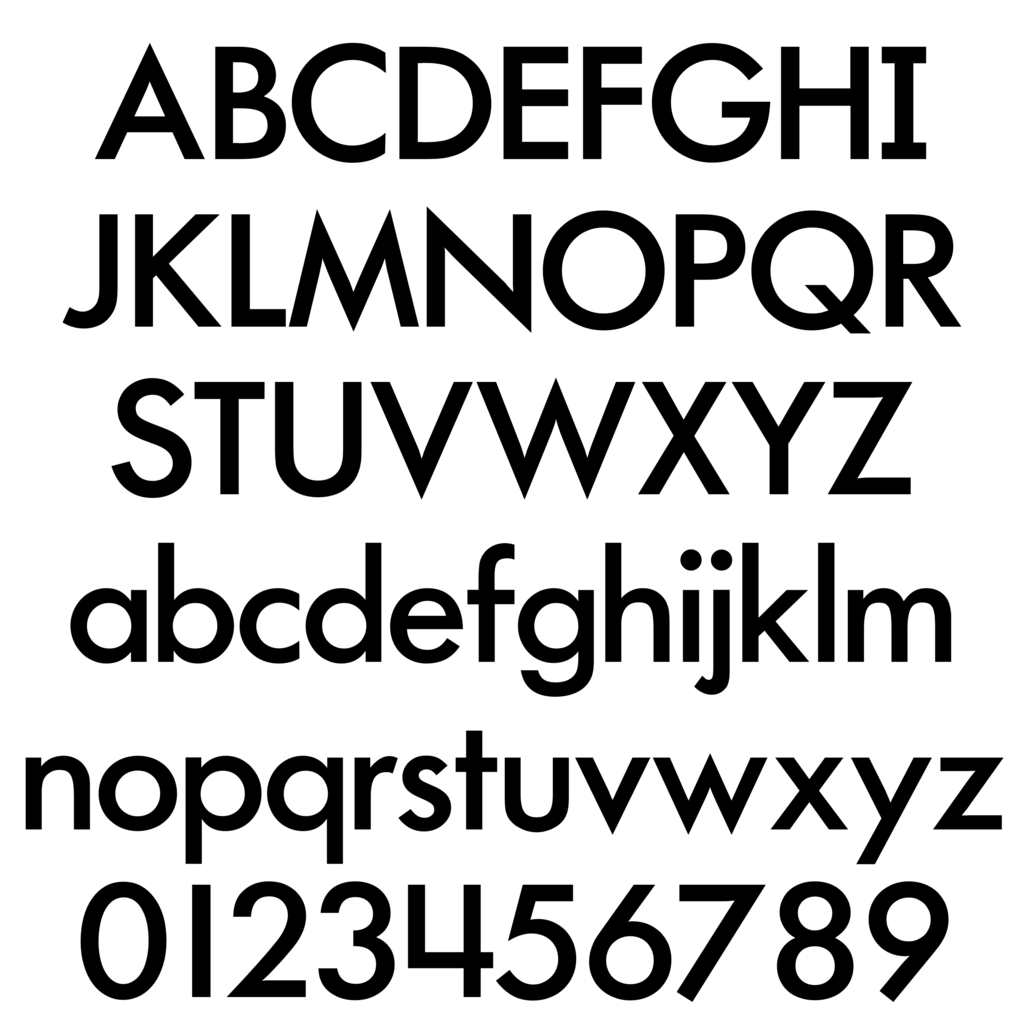
Every word you read or write in English is made from a small set of symbols: the alphabet. Think of these 26 letters as the basic building blocks. Once you know them, you can start putting them together to build words, then sentences, and then entire ideas.
The English alphabet is the foundation of all English reading, writing, speaking, and listening.
Each letter has two forms: an uppercase (or capital) letter and a lowercase letter. For example, 'A' is uppercase and 'a' is lowercase. They look different but represent the same letter. You'll see uppercase letters at the beginning of sentences and for names, while lowercase letters make up most of the words we read.
Letters Have Names and Sounds
This is a key idea that helps unlock reading. Every letter has a name, like how you say the letter when you recite the alphabet song. But each letter also has one or more sounds it makes inside a word. To read, you need to know the sounds.
For example, the name of the letter 'B' is pronounced /biː/. But in the word "ball," it makes a short /b/ sound. The name of the letter 'S' is /es/, but in the word "sun," it makes a hissing /s/ sound. Focusing on the sound a letter makes is the first step to decoding words.
When you see a letter in a word, think about its sound, not just its name. This is the secret to reading.
Let's look at the most common sound for each letter.
| Letter | Sound like... |
|---|---|
| A a | apple |
| B b | ball |
| C c | cat |
| D d | dog |
| E e | egg |
| F f | fish |
| G g | goat |
| H h | hat |
| I i | igloo |
| J j | jam |
| K k | kite |
| L l | lion |
| M m | moon |
| N n | nest |
| O o | octopus |
| P p | pig |
| Q q | queen |
| R r | rat |
| S s | sun |
| T t | tree |
| U u | umbrella |
| V v | van |
| W w | water |
| X x | box |
| Y y | yes |
| Z z | zebra |
Recognizing Letters
Getting comfortable with all the letter shapes, both uppercase and lowercase, is essential. Some look very similar (like P and p), while others look completely different (like G and g). The more you see them, the faster you'll recognize them without having to think.
Practice is the best way to build this skill. You can trace letters, use flashcards, or play matching games. The goal is to instantly know which letter you're looking at and what sound it makes.

Once you can recognize letters and connect them to their sounds, you're ready to start blending those sounds together to read your first words.
How many letters are there in the modern English alphabet?
Every letter has two forms, such as 'A' and 'a'. What are these two forms called?
Great work. Mastering the alphabet and its sounds is a huge first step. Keep practicing, and you'll be reading words in no time.