English Fluency Through Film
Selecting Appropriate Movies
Finding Your Film
Watching movies is a great way to learn English, but not all films are created equal. The right movie can make learning feel effortless, while the wrong one can be frustrating. The goal is to find a film that's challenging enough to be useful but not so difficult that you get lost. This sweet spot, where you understand most of what's happening but are still learning new things, is where real progress happens.
Match the Movie to Your Level
Your current English proficiency is the most important factor in choosing a film. Picking a movie that's too far above your level will likely lead to confusion. On the other hand, a film that's too simple won't teach you much. Here's a general guide to help you choose.
For beginners, animated movies from studios like Disney or Pixar are an excellent start. The dialogue is written to be understood by a wide audience, speech is usually clear and well-enunciated, and the stories are supported by strong visual cues. You can often follow the plot even if you miss some words.
If you're at an intermediate level, try romantic comedies, mainstream dramas, or action blockbusters. These genres often feature everyday conversations and relatable situations. The language is more natural than in kids' films but usually avoids highly specialized or complex vocabulary. The action or emotional context can also help you infer the meaning of unfamiliar phrases.
Advanced learners can tackle more challenging material. Documentaries, science fiction films with technical jargon, or historical dramas with period-specific language offer a great way to expand your vocabulary. Witty comedies or films by directors known for fast, overlapping dialogue (like Quentin Tarantino or Aaron Sorkin) are perfect for honing your listening skills for rapid speech.
| Proficiency Level | Recommended Genres | Why it Works |
|---|---|---|
| Beginner | Animation, Family Films | Clear speech, simple vocabulary, strong visual context. |
| Intermediate | Romantic Comedies, Action | Relatable conversations, predictable plots help comprehension. |
| Advanced | Documentaries, Sci-Fi, Period Dramas | Specialized vocabulary, complex sentence structures, faster pace. |
Dialogue and Delivery
Beyond genre, pay attention to the way characters speak. A movie's dialogue clarity and pace are crucial. Some films have crisp, clear audio where every word is audible. Others might feature characters who mumble, speak very quickly, or have conversations drowned out by background noise. Before committing to a film, watch the trailer. Can you comfortably understand the dialogue? If the trailer is a struggle, the movie probably will be too.
Also, consider the accents. If your goal is to understand American English, a British period drama might not be the most efficient choice at first. Exposing yourself to different accents is valuable, but it's wise to start with the one you're most focused on learning. As you improve, you can branch out to films from the UK, Australia, Ireland, and other English-speaking countries to train your ear for different dialects.
Interests and Culture
Ultimately, the best movie for you is one you actually want to watch. If you love superhero movies, watch superhero movies. If you're passionate about history, find a historical epic. When you're genuinely interested in the story, you're more motivated to pay attention and work through challenging parts. Learning should be enjoyable, not a chore.
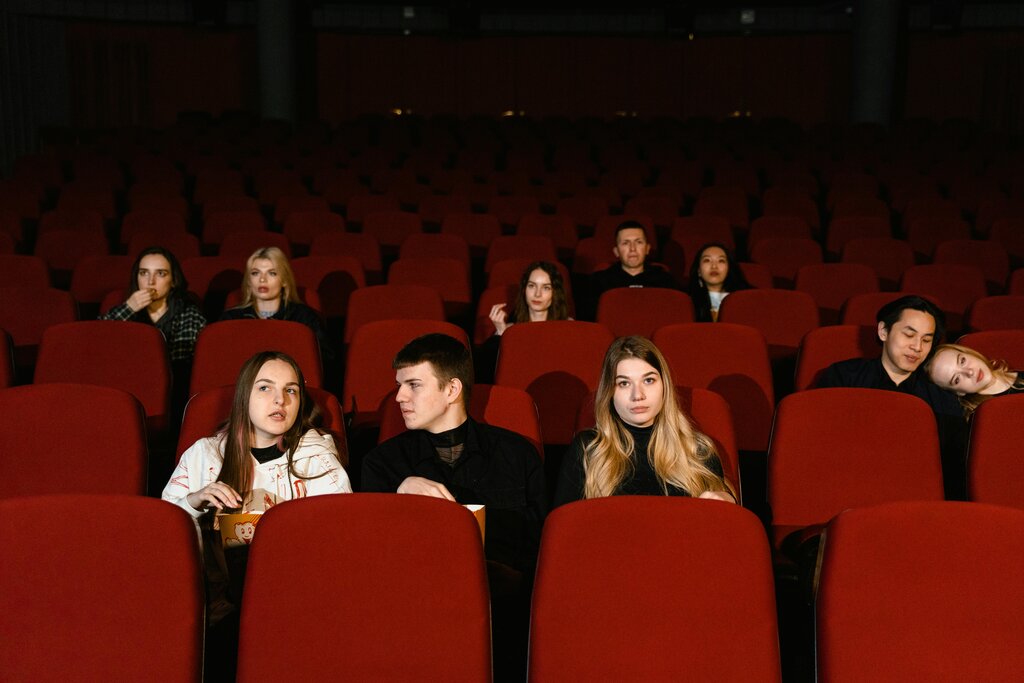
Watching English-language movies and TV shows is an enjoyable way to improve your listening skills and comprehension.
Movies are also windows into culture. They can teach you about social norms, humor, history, and values in English-speaking countries. A film set in New York City will show you different cultural details than one set in rural Texas or London. This cultural context helps you understand not just what people are saying, but why they're saying it.
Ready to test your understanding of these concepts? Let's see what you've learned about picking the right film for your language journey.
According to the text, what is the 'sweet spot' for a language-learning movie?
An advanced English learner wants to get better at understanding fast, witty dialogue. Which type of film would be the best choice for them?
By keeping these factors in mind, you can turn your movie time into an effective and enjoyable learning session.