English Fluency Boost B1
Expanding Vocabulary
Learn Words in the Wild
Memorizing lists of words is one of the least effective ways to build your vocabulary. A better method is to learn words as you encounter them in reading or conversation. This is called learning in context.
Imagine you're reading a story and come across this sentence: "The beautiful cherry blossoms are ephemeral; they only last for a week."
Even if you've never seen the word ephemeral, the sentence gives you a huge clue. Since the blossoms only last for a week, ephemeral must mean something like "short-lived" or "temporary." When you figure out a word this way, you create a stronger mental connection to it, making it easier to remember.
Learning vocabulary in context can significantly enhance your ability to remember and use new words.
Build Words Like LEGOs
Many English words are built from smaller pieces: a root, a prefix (at the beginning), and a suffix (at the end). If you learn these common building blocks, you can often figure out the meaning of new words you've never seen before.
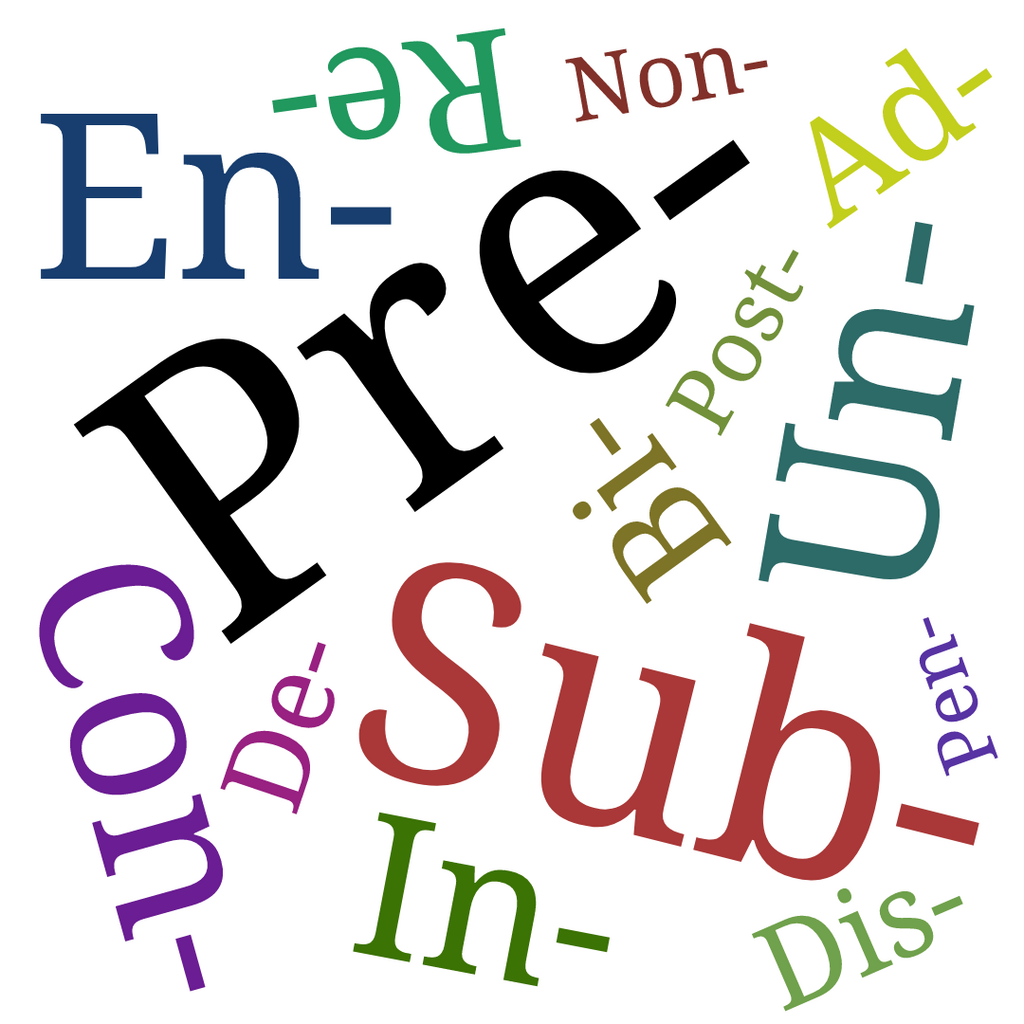
Let’s take the Latin root port, which means "to carry." See how adding different prefixes changes its meaning:
| Prefix | Meaning | Example Word |
|---|---|---|
| ex- | out | export (to carry out) |
| im- | in | import (to carry in) |
| trans- | across | transport (to carry across) |
| re- | back | report (to carry back information) |
Suffixes change a word's function. For example, adding -er or -or to a verb often turns it into a person who does that action (e.g., teach becomes teacher). The suffix -able or -ible means "can be done" (portable means "able to be carried").
Group Words by Theme
Learning words related to a specific topic at the same time is another powerful strategy. This is called thematic learning. If you're planning a trip, you could learn words related to travel: itinerary, accommodation, boarding pass, layover, destination. Because the words are all connected to a single concept, they're easier to remember and use together.
Think about other themes relevant to your life. For work, you might learn words like agenda, deadline, collaborate, feedback. For health, you could focus on symptom, diagnosis, prescription, recovery.
Words rarely travel alone. They often appear with partner words, which are called collocations. For example, we say "make a mistake," not "do a mistake." We take a photo, not make a photo. Paying attention to these natural pairings will make your English sound more fluent.
A phrasal verb is a common type of collocation that combines a verb with a preposition or adverb, creating a new meaning. For instance, give up means to quit, which is different from just give.
| Phrasal Verb | Meaning |
|---|---|
| turn down | to refuse or reject |
| look forward to | to be excited about a future event |
| put off | to postpone |
Learning a new word is also a great opportunity to learn its synonyms (words with similar meanings) and antonyms (words with opposite meanings). This doesn't just give you one new word, but a whole family of related concepts.
Now it's time to review some of the key ideas we've covered.
Let's check your understanding with a few questions.
If you encounter an unfamiliar word while reading, what is the most effective first step to understanding its meaning?
The word portable is formed from the root port (to carry) and the suffix -able. What does the suffix -able signify?
Expanding your vocabulary is a gradual process. The key is to stay curious, pay attention to the words around you, and actively use what you learn.