English Communication Basics
Alphabet and Numbers
The English Alphabet
The English alphabet is a set of 26 letters. These letters are the building blocks for every word in the English language. Think of them like ingredients for a recipe. By combining them in different ways, you can create millions of words.
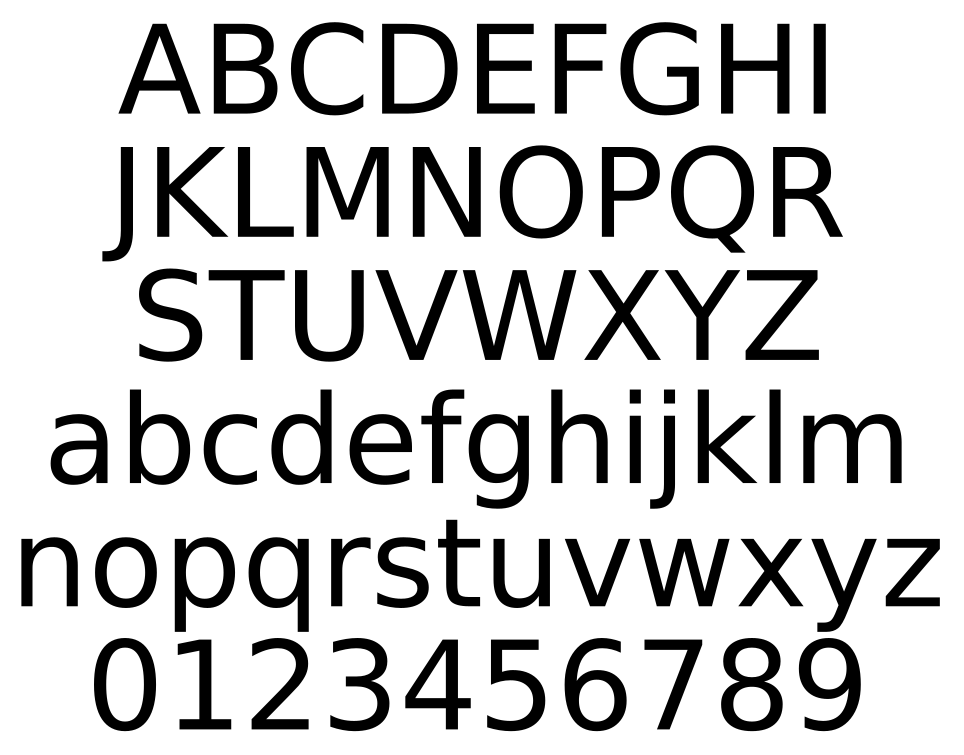
These 26 letters are divided into two main groups: vowels and consonants. Vowels are special because they create the main sounds in words. Every word in English has at least one vowel. There are only five vowels.
vowel
noun
A speech sound produced by a comparatively open configuration of the vocal tract. The letters representing these sounds are A, E, I, O, U.
The rest of the letters are called consonants. They work with vowels to form complete words and sounds.
consonant
noun
A basic speech sound in which the breath is at least partly obstructed. All letters in the alphabet besides A, E, I, O, U are consonants.
| Type | Letters |
|---|---|
| Vowels | A, E, I, O, U |
| Consonants | B, C, D, F, G, H, J, K, L, M, N, P, Q, R, S, T, V, W, X, Y, Z |
Pronouncing each letter correctly is key. However, remember that a single letter can make different sounds depending on the word it's in. For example, the vowel 'a' sounds different in the word apple than it does in the word ate. We'll explore these sounds more as we learn new words.
Uppercase and Lowercase
Each letter has two forms: a big one and a small one. The big letters are called uppercase or capital letters (A, B, C). The small letters are called lowercase letters (a, b, c). Most of what you read is in lowercase, but uppercase letters have important jobs.
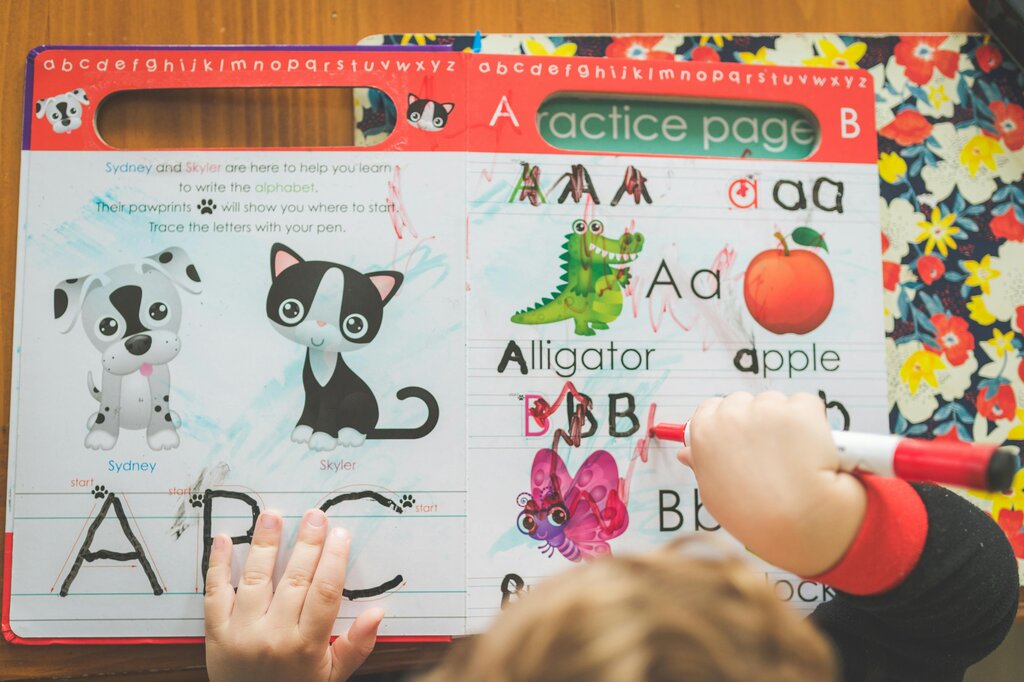
We use uppercase letters for three main reasons:
- To start a sentence.
- For the word 'I'.
- For proper nouns, which are specific names of people, places, or things (like John, Paris, or Monday).
Let's look at an example:
my name is anna and i live in london.
This sentence is hard to read. Now, let's fix it using the rules for uppercase letters:
My name is Anna and I live in London.
See the difference? Capital letters act like signposts, telling us where a new sentence or a specific name begins. It makes reading much smoother.
Numbers 0 to 100
Just as letters build words, digits build numbers. In English, we use ten digits: 0, 1, 2, 3, 4, 5, 6, 7, 8, and 9. By combining these, we can write any number.
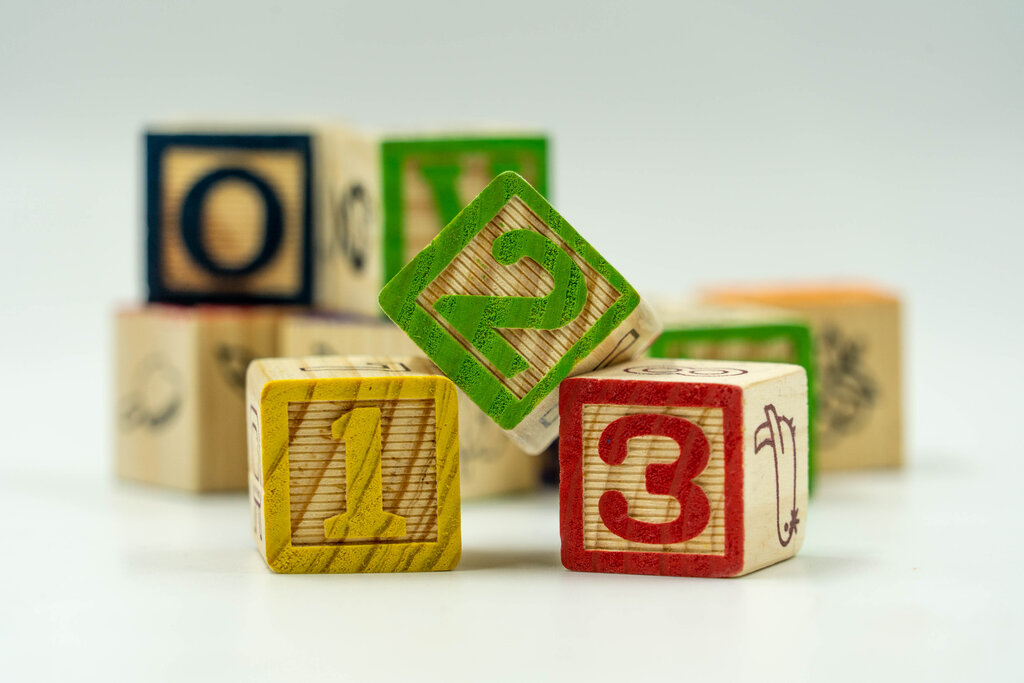
Let's start by learning the names for the numbers from zero to twenty, and then the names for the tens.
| Number | Word | Number | Word | Number | Word | ||
|---|---|---|---|---|---|---|---|
| 0 | zero | 11 | eleven | 20 | twenty | ||
| 1 | one | 12 | twelve | 30 | thirty | ||
| 2 | two | 13 | thirteen | 40 | forty | ||
| 3 | three | 14 | fourteen | 50 | fifty | ||
| 4 | four | 15 | fifteen | 60 | sixty | ||
| 5 | five | 16 | sixteen | 70 | seventy | ||
| 6 | six | 17 | seventeen | 80 | eighty | ||
| 7 | seven | 18 | eighteen | 90 | ninety | ||
| 8 | eight | 19 | nineteen | 100 | one hundred | ||
| 9 | nine | ||||||
| 10 | ten |
Once you know those, forming the other numbers up to 100 is simple. You just combine the 'ten' word with the 'digit' word, using a hyphen (-) in between.
For example, the number 21 is twenty-one. The number 47 is forty-seven. The number 83 is eighty-three. The pattern is consistent, making it easy to learn.
25 -> twenty-five 58 -> fifty-eight 99 -> ninety-nine
Learning numbers helps us talk about many things in daily life, like age, time, and how many of something we have. How many chairs are in your room? How old are you? Answering these questions uses numbers.
Ready to test your knowledge? Let's try a few questions.
How many letters are in the English alphabet?
The 26 letters of the alphabet are divided into which two main groups?
Great work. Mastering letters and numbers is the first big step in learning English. With this foundation, you're ready to start building words and sentences.