English Alphabet Pronunciation with IPA
Introduction to IPA
Sounds on Paper
How do you pronounce “gh”? It depends. In “though,” it’s silent. In “tough,” it sounds like an “f.” In “ghost,” it’s a hard “g.” English spelling is notoriously inconsistent. A single letter can represent multiple sounds, and a single sound can be spelled in many ways. This can make learning pronunciation a frustrating guessing game.
To solve this problem, linguists created a universal system to write down the sounds of any language in a consistent way. It’s called the International Phonetic Alphabet, or IPA.
The core idea of the IPA is simple: one symbol for every distinct sound. No exceptions, no confusion.
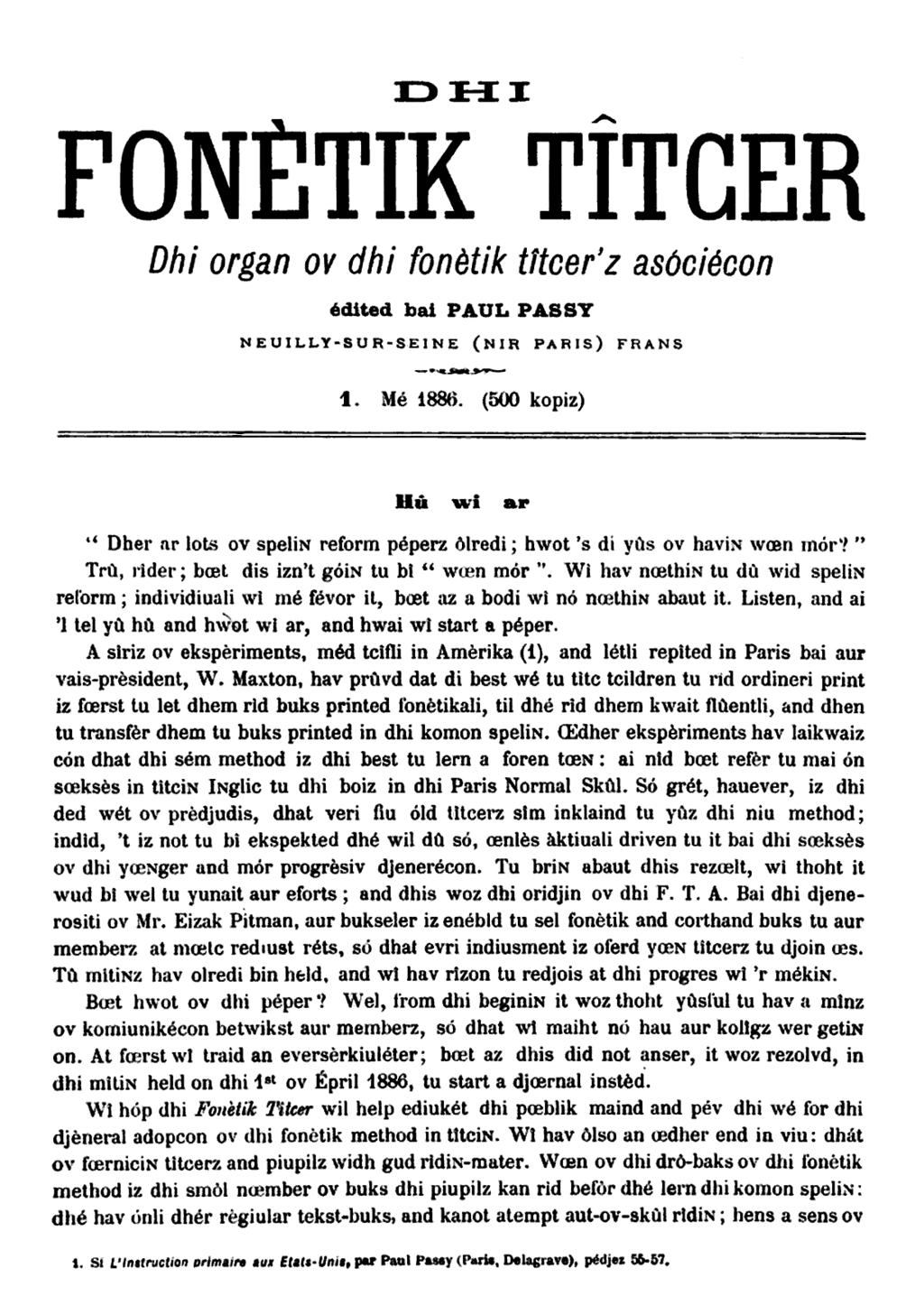
The IPA wasn't created overnight. It was developed in the late 19th century by a group of French language teachers. They wanted a practical tool to help their students learn the pronunciation of foreign languages more accurately. Led by linguist Paul Passy, they formed the International Phonetic Association in 1886 and published the first version of the alphabet.
Mapping the Mouth
The IPA chart might look intimidating at first, but it's organized like a map of the human mouth. It shows you exactly how and where each sound is produced. All speech sounds fall into two main categories: consonants and vowels.
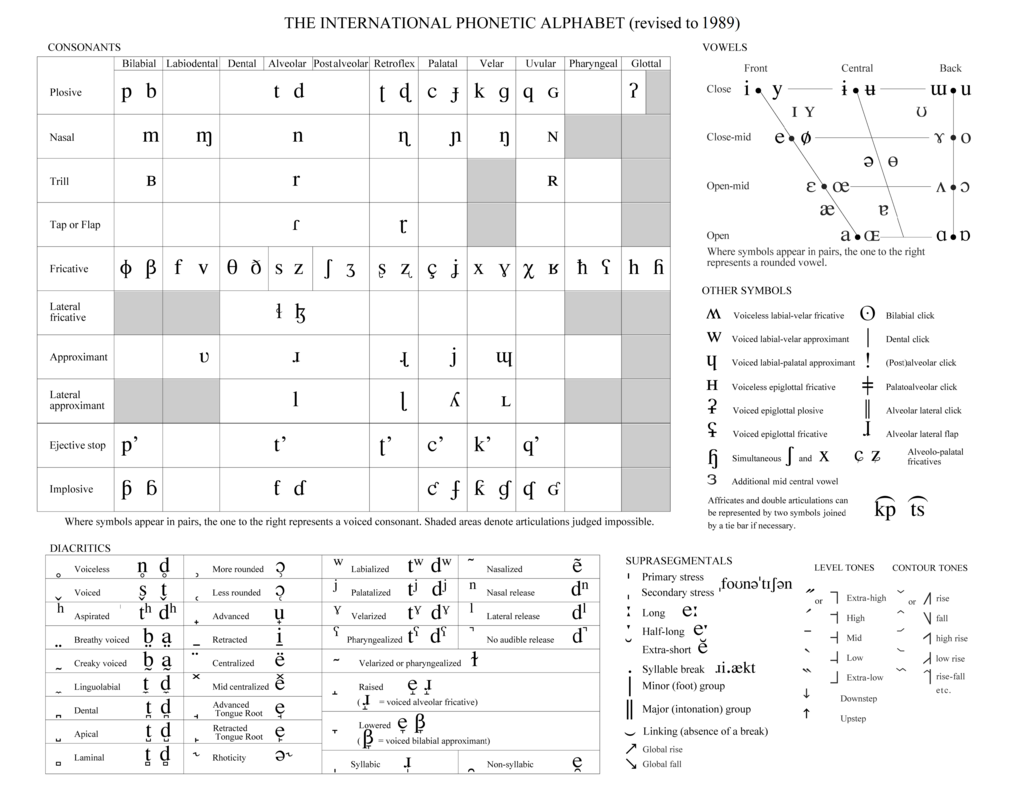
Consonants are sounds made by partially or completely blocking the flow of air from your lungs. The chart organizes them by the place of articulation (where the blockage happens, like with the lips or the tongue against the teeth) and the manner of articulation (how the air is blocked, such as a complete stop like [p] or a noisy friction like [f]).
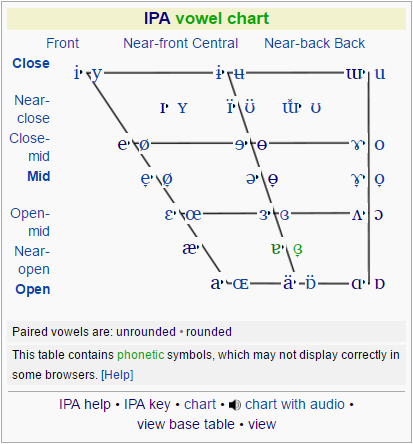
Vowels, on the other hand, are made with an open vocal tract. Their sound is shaped by the position of your tongue and the shape of your lips. The vowel chart is a trapezoid that represents the space inside your mouth. A symbol's position on the chart tells you how high or low, and how far forward or back, your tongue should be to make that sound.
Why Bother with IPA?
For a language learner, the IPA is like a secret key. Dictionaries use it to show the precise pronunciation of words. Once you learn the symbols, you can accurately pronounce any word in any language that uses the system, without ever having to hear it spoken. It takes the guesswork out of pronunciation and gives you a reliable tool for improving your accent and understanding.
The most important feature of the IPA is that it is a one-to-one system.
Learning this alphabet is a foundational step toward mastering the sounds of English, or any language. It turns an invisible process—making sounds—into a visible, understandable system.
Time to check what you've learned about this powerful tool.
What primary problem was the International Phonetic Alphabet (IPA) designed to solve?
Who led the group that developed the first version of the IPA in the 1880s?
Now that you understand what the IPA is and why it's so useful, you're ready to start exploring the specific sounds of English.