Engineering Wood and Timber for Construction
Biological Material Composition
The Molecular Blueprint
At a microscopic level, wood is a composite material made of three primary components: cellulose, hemicellulose, and lignin. Think of it like reinforced concrete. The cellulose forms long, crystalline polymer chains that are bundled together into microfibrils. These bundles are incredibly strong in tension, much like the steel rebar in a concrete slab.
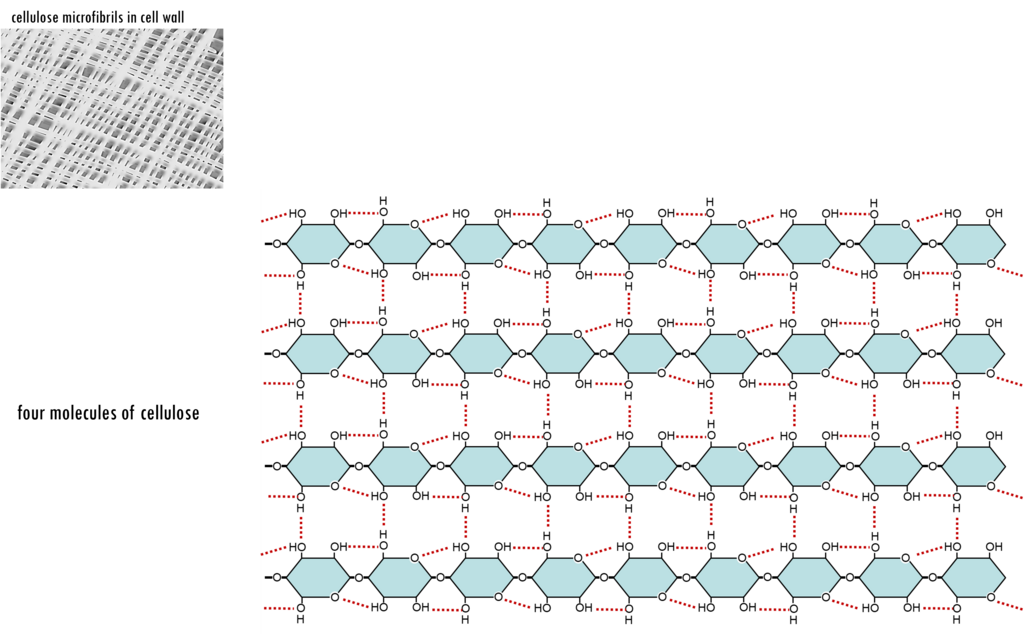
These cellulose 'rebars' are embedded in a complex, amorphous matrix of and hemicellulose. Lignin acts as the binder, the concrete itself. It's rigid and highly resistant to compression, holding the cellulose fibers together and preventing them from buckling under load. Hemicellulose helps link the cellulose fibrils to the lignin matrix. This combination of tensile strength from cellulose and compressive strength from lignin gives wood its remarkable mechanical properties.
Cellular Architecture
These chemical components are organized into specialized cells that dictate the wood's physical characteristics, like its density and grain. The key distinction between softwoods (gymnosperms) and hardwoods (angiosperms) lies in their cellular makeup.
Softwoods, like pine and fir, have a simpler structure composed mostly of a single cell type called tracheidss. These are long, slender cells with tapered, closed ends that serve double duty: they provide structural support and conduct water. Water moves between tracheids through small pits in their cell walls. The uniform nature of tracheids gives softwoods their characteristic even grain.
Hardwoods, like oak and maple, are more complex. They have specialized cells for different jobs. Structural support comes mainly from fiber cells, while water conduction happens through much larger cells called vessel elementss. These cells are stacked end-to-end like sections of a pipe, forming continuous tubes called vessels that can move water much more efficiently than tracheids. The large pores you see in the grain of woods like red oak are the cross-sections of these vessels.
Growth and Performance
The orientation of the cellulose microfibrils within the cell wall, known as the microfibril angle (MFA), has a huge impact on the wood's stiffness. A small MFA, where fibrils run nearly parallel to the cell's axis, results in very stiff, strong wood that resists stretching. A larger angle makes the wood more elastic but weaker. This is a critical factor in selecting wood for structural applications.
You can see the history of a tree's growth in its rings. Each year, a tree produces two distinct layers of wood. In the spring, when water is plentiful, the tree forms large, thin-walled cells for rapid water transport. This is the light-colored, less dense 'earlywood'.
As summer progresses and growth slows, the tree produces smaller, thicker-walled cells that are primarily for structural support. This is the darker, denser 'latewood'. The sharp contrast between the latewood of one year and the earlywood of the next is what makes the annual growth rings visible.
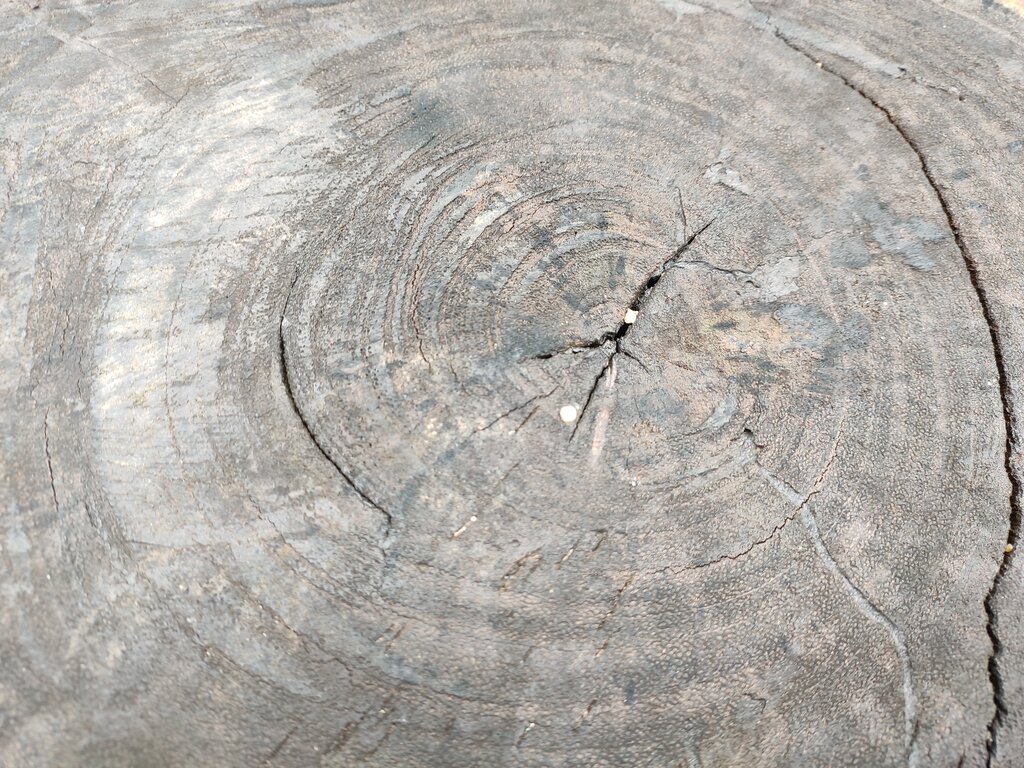
The relative proportion of earlywood to latewood affects the wood's overall density and strength. A tree that grows slowly, with narrow rings, often has a higher proportion of dense latewood, making it stronger than wood from a rapidly grown tree of the same species.
Now, let's test your understanding of wood's internal structure.
In the composite structure of wood, cellulose provides tensile strength, much like steel rebar. Which component acts like the 'concrete', providing compressive strength and binding the cellulose together?
The primary structural difference between hardwoods and softwoods is the presence of specialized cells. Hardwoods use _______ for water conduction and fiber cells for support, while softwoods use a single cell type called _______ for both functions.
Understanding this microscopic structure provides the foundation for predicting how different types of wood will perform in real-world applications.