Engineering Self Powered Doorbell Systems
Piezoelectric Energy Harvesting
From Pressure to Power
When you press a modern wireless doorbell, you're not just closing a switch. You're a power source. The force from your finger is converted directly into a burst of electrical energy that powers a radio transmitter, sending a signal to the chime inside. This is made possible by the piezoelectric effect, where mechanical stress on certain materials generates an electric charge.
Direct piezo electric effect is the production of electricity when the crystals are mechanically stressed and the converse piezo electric effect is the stress or strain in the crystals when an electric potential is applied.
For an application like a doorbell, the goal is to harvest as much energy as possible from a single, quick press. The choice of piezoelectric material is critical. The two main contenders are piezoelectric ceramics and polymers. Ceramics, like lead zirconate titanate (), are stiff and offer high energy conversion but can be brittle. Polymers, such as polyvinylidene fluoride (PVDF), are flexible and durable but typically generate less power under the same force. The design challenge is to select a material and shape that optimizes the energy output from the user's 'stroke,' or the mechanical deformation of the button.
Shape and Strain
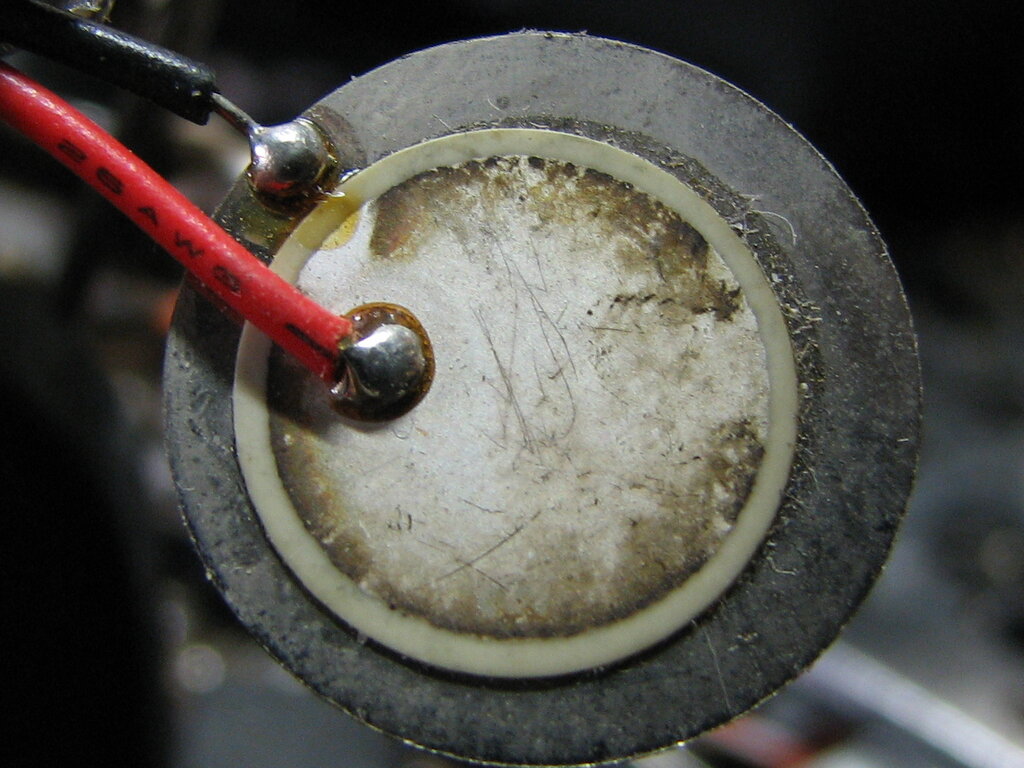
The amount of energy harvested depends directly on the mechanical strain—the amount of deformation—the piezoelectric material experiences. To maximize this, transducers are often engineered into specific shapes. Two common configurations for push-buttons are the cantilever beam and the simple disc.
A cantilever amplifies the strain from a small deflection, making it highly sensitive. A disc, on the other hand, is more robust and can handle higher impact forces. The choice depends on the button's mechanical design. Effective is essential to ensure the force from the user's finger is transferred efficiently to the transducer with minimal loss. This involves designing the push-button mechanism to apply stress to the most sensitive areas of the material.
The Energy Burst
A button press is an impulse event—a sudden application and release of force. This generates a brief, high-voltage spike of energy. The key is to capture this fleeting burst. While the peak voltage can be high, the total charge, and thus the total energy, is quite small. The relationship between charge (), piezoelectric coefficient (), and applied force () for a simple compression is:
For maximum energy transfer, the electrical impedance of the harvesting circuit must be matched to the transducer's impedance. Furthermore, the speed of the button press matters. Every mechanical system has a where it vibrates most efficiently. If the duration of the button press is close to the transducer's resonant period, the resulting strain and energy output are maximized. This is why a quick, sharp tap can sometimes generate more energy than a slow, heavy press.
PZT vs. PVDF for Doorbells
Choosing between PZT and PVDF involves trade-offs between performance, durability, and cost. PZT offers higher energy output for its size but is brittle. PVDF is flexible and resilient but less efficient. For a doorbell that must withstand millions of presses in all weather conditions, these properties are critical.
| Property | PZT (Ceramic) | PVDF (Polymer) |
|---|---|---|
| Piezoelectric Charge Coeff. (d) | High (200-600 pC/N) | Low (20-30 pC/N) |
| Energy Density | High | Low |
| Mechanical Flexibility | Low (brittle) | High (flexible) |
| Durability | Moderate | High |
| Best Application | High-impact, high-energy needs | Low-power, high-flexibility needs |
Given the need for a significant energy burst to power a transmitter, PZT-based transducers are often favored in push-button applications. Their high energy density means a small, cost-effective component can generate the few millijoules of energy required. The mechanical design of the button must then protect the brittle ceramic from shattering while ensuring optimal strain with each press.
What is the fundamental principle that allows a modern wireless, battery-less doorbell to work when you press it?
A company is designing a doorbell for a harsh, outdoor environment with extreme temperature swings and the possibility of rough use. Which piezoelectric material would be a better choice for durability and resilience, and why?
This technology transforms a simple mechanical action into a self-powered wireless signal, eliminating the need for batteries and wiring.