Engineering Management Essentials
Introduction to Engineering Management
What Is an Engineering Manager?
Think of an engineering team as a crew on a highly advanced ship. The engineers are the experts who build, maintain, and operate the complex machinery. The engineering manager is the captain.
They don't personally turn every wrench or plot every course correction, but they are responsible for the entire journey. They ensure the crew is skilled and motivated, the ship is heading in the right direction, and it arrives at its destination on time. This role is a unique blend of technical knowledge and people leadership.
They balance technical responsibilities with people management, acting as a bridge between engineers and upper management.
An engineering manager isn't just a senior engineer with a new title. Their primary focus shifts from individual contribution, like writing code or designing circuits, to enabling their entire team to do their best work. They move from solving technical problems to solving people and process problems that unblock the team.
Why They Matter
A brilliant engineering team without effective management is like a powerful engine without a steering wheel. It might generate a lot of activity, but it won't necessarily move the organization forward. Engineering managers provide direction and alignment.
They act as translators, converting high-level business goals into concrete technical strategies. When a company decides to launch a new product, the engineering manager works with their team to figure out how to build it, what resources are needed, and how long it will take. They ensure the technical work being done directly supports the company's objectives.
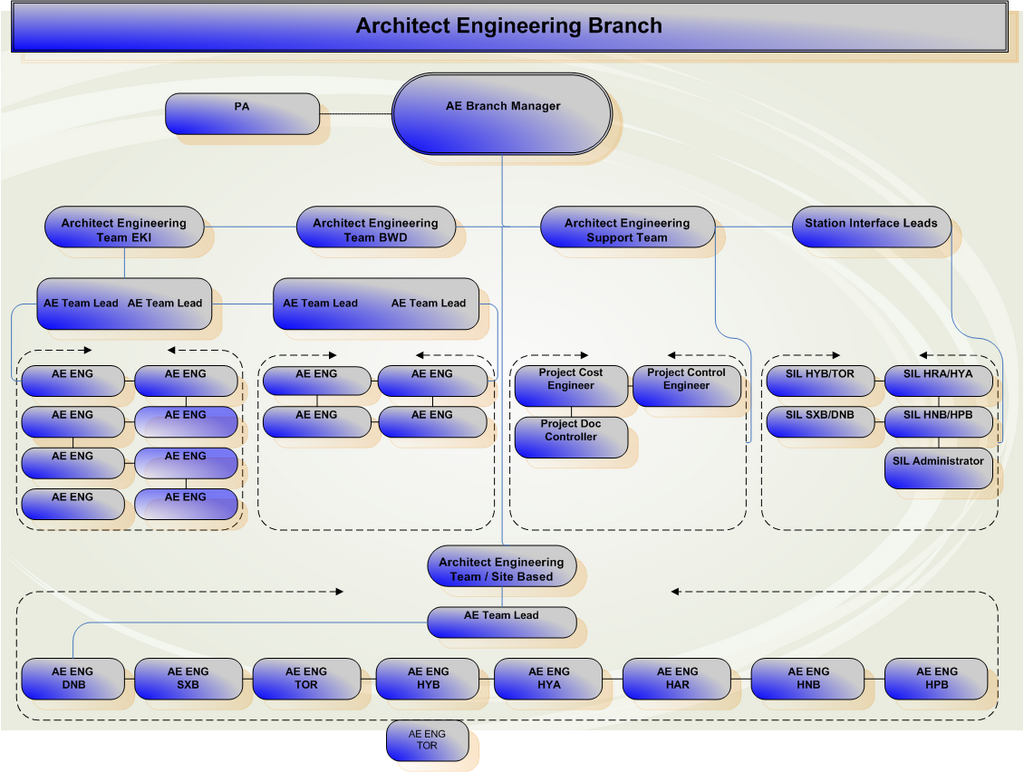
Furthermore, they create a protective bubble around their team, shielding them from organizational chaos and removing roadblocks. This allows engineers to stay focused on the deep, complex work they excel at. A good manager makes it possible for their team to be more productive and innovative than they could be on their own.
Core Responsibilities
While the day-to-day tasks can vary, an engineering manager's responsibilities generally fall into three main categories: people, projects, and strategy.
People: The manager is responsible for building and nurturing the team. This includes hiring new engineers, mentoring and coaching current team members, conducting performance reviews, and fostering a positive and inclusive team culture. Their goal is to help each engineer grow in their career.
Projects: They oversee the successful execution and delivery of projects. This involves planning timelines, coordinating with other teams, managing risks, and ensuring the final product meets quality standards. They decide who works on what, leveraging each person's strengths.
A crucial part of being an engineering manager is determining which developers are best fit for which tasks and delegating the work accordingly.
Strategy: Managers contribute to the technical vision. They help decide on the team's technical roadmap, evaluate new technologies, and ensure the team's work is scalable and sustainable. They connect the team's daily tasks to the company's long-term vision.
Ultimately, the engineering manager is a force multiplier. Their success isn't measured by their own output, but by the success and growth of their team.