Engineering Leadership and Team Management
The Mindset Shift
Redefining Success
As an individual contributor (IC), your success was clear. It was measured in lines of code, pull requests merged, and features shipped. Your impact was direct and tangible. When you become an engineering manager (EM), this definition of success becomes obsolete. Your new measure of success is the collective output, health, and growth of your team.
It’s a fundamental shift. You move from being a player on the field to being the coach. The goal is no longer to score yourself, but to create an environment where every player on your team can score. Your primary output is no longer code; it's a high-performing team.
Your focus shifts from building products to building the team that builds the products.
Maker vs. Manager
One of the most jarring changes is the structure of your day. As a developer, you operated on a ''. You needed long, uninterrupted blocks of deep-focus time to solve complex problems and write code. A single 30-minute meeting could derail an entire afternoon's productivity.
As a manager, you switch to a 'manager’s schedule'. Your day is sliced into 30- and 60-minute intervals for 1:1s, team syncs, stakeholder meetings, and planning sessions. Your job is to be available and to switch contexts rapidly. This isn't a flaw in the system; it's the nature of the role. You serve as the nexus point for communication, which requires constant availability.
Protecting your team's focus time becomes one of your most important responsibilities. You become the gatekeeper, shielding them from unnecessary interruptions so they can stay in the 'maker' mindset. Meanwhile, you must learn to thrive in the world of context switching.
The Servant Leader
The most effective managers adopt a [{
A common pitfall for new managers is the 'hero syndrome'. When a tough technical problem arises, the instinct is to jump in and solve it yourself. After all, that's how you succeeded as an IC. You must resist this urge. Solving the problem yourself robs your team member of a learning opportunity and signals a lack of trust. It also becomes a bottleneck, as the team learns to wait for you to fix everything.
Instead, ask questions. Guide them to the solution. Ask: 'What have you tried so far?', 'What are the possible approaches?', and 'What do you need from me to move forward?'. This empowers your team, develops their skills, and allows you to scale your impact far beyond what you could accomplish alone.
Your job is not to have all the answers, but to foster an environment where the answers can be found.
Your First 90 Days
Resist the temptation to make immediate, sweeping changes. Your first three months are for listening, learning, and building trust. Think of it as a reconnaissance mission. Your primary objective is to understand the landscape: the people, the processes, and the problems.
Your most powerful tool during this period is the initial one-on-one meeting. Schedule time with each person on your team. Don't go in with a heavy agenda. Your goal is to build rapport and listen. Ask open-ended questions:
- What do you enjoy most about your work?
- What gets in your way or frustrates you?
- What are your career goals?
- If you were me, what's the one thing you would change?
Take notes. Look for patterns in the feedback. These conversations are the foundation of the trust you need to lead effectively. They provide the raw data for your future roadmap, helping you identify the most impactful changes to prioritise later on.
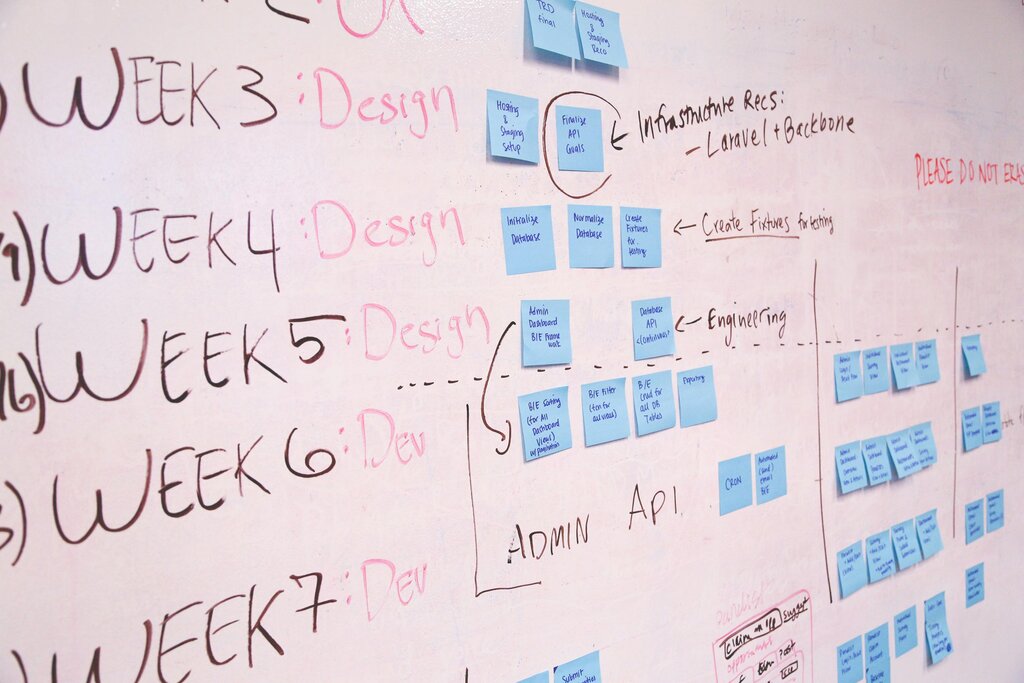
By observing first, you demonstrate respect for the existing team and the work that has been done. When you do propose changes, they will be better informed and more likely to be embraced by the team because you've taken the time to understand their perspective. The transition to leadership is a marathon, not a sprint. The initial investment in listening pays dividends in long-term team health and performance.
Ready to check your understanding of these core concepts?
What is the primary measure of success for a new engineering manager?
An individual contributor's day is best suited to a 'maker's schedule'. What kind of schedule does a manager typically adopt?
This shift in mindset from maker to manager is the biggest hurdle in the transition. By focusing on your team's success, mastering your new schedule, and adopting a coaching mindset, you lay the groundwork for becoming a truly effective engineering leader.