Engineering Consultancy Project Leadership
Commercial Resource Management
The Engine of Profitability
In an engineering consultancy, you're not selling widgets; you're selling expertise. The primary unit of that expertise is the hour. Managing how your team's hours are spent is the most critical factor in a firm's financial health. Every hour a team member works falls into one of two buckets: billable or non-billable.
Billable hours are those spent directly on client projects. Think design work, site visits, or client meetings. These hours generate revenue.
Non-billable hours are for everything else. This includes internal training, business development, writing proposals, or administrative tasks. These are essential for running the business but don't directly bring in money.
The goal isn't to eliminate non-billable time, which is impossible and undesirable. The goal is to manage the ratio between the two. This is where two key metrics come into play: utilization and realization.
Measuring What Matters
Your most important leading indicator of profitability is the utilization rate. It measures how much of an employee's available time is spent on revenue-generating work. It's a direct reflection of how efficiently you're deploying your most valuable assets: your people.
Chasing a 100% utilization rate is a recipe for disaster. It leaves no room for professional development, internal collaboration, or the administrative work that keeps the lights on. More importantly, it leads to burnout. A healthy target for most consultancies is between 75% and 85%, leaving a buffer for essential non-billable activities.
But utilization is only half the story. It doesn't matter how many hours you bill if the client doesn't pay for them. That's where the realization rate comes in. This metric tracks how much of the billed revenue is actually collected.
A low realization rate can signal issues like client dissatisfaction, inaccurate scoping, or inefficient invoicing processes. Even a high utilization rate can't save a business with poor realization.
The Art of Allocation
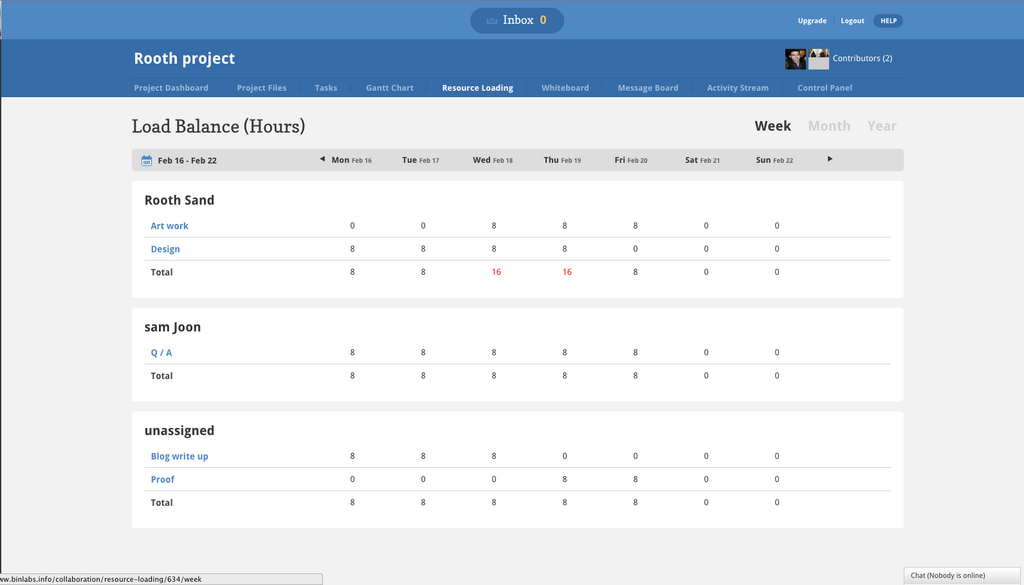
Managing a single project is one thing. Managing a portfolio of projects with a team of specialists is another entirely. You might have a senior geotechnical engineer who is the only person qualified to sign off on foundation designs for five different projects. How do you schedule their time without creating a massive bottleneck?
This challenge is solved through resource leveling and smoothing. It's the process of adjusting schedules and assignments to prevent any single team member from being over-allocated while others are on the bench. The aim is to create a more consistent, manageable workload across the team.
Effective leveling requires clear visibility into everyone's workload. This means diligent timesheet management. Timesheets are not just for billing; they are a critical data source for financial forecasting. By analysing historical data, you can predict future capacity, identify hiring needs, and build more accurate project bids.
From Data to Decisions
Mastering these commercial aspects of project management transforms you from a task manager into a business leader. Accurate provides the data. Utilization and realization rates provide the metrics. Resource leveling provides the strategy.
Together, these tools allow you to staff projects effectively, ensuring you have the right technical competencies available when needed without over-committing your experts. It allows for smarter financial forecasting, moving from reactive problem-solving to proactive, data-driven decision-making. This is the core of running a successful, profitable, and sustainable engineering consultancy.
Let's test your understanding of these core commercial concepts.
In an engineering consultancy, what is the primary purpose of tracking the utilization rate?
A consultancy has a very high utilization rate (over 95%) but is still facing financial difficulties. Which of the following metrics is most likely to reveal the root cause of the problem?
By balancing the need for project delivery with the financial realities of running a business, you ensure your team can continue to do great work for years to come.