Engineering Careers for Young Minds
Introduction to Engineering
What is Engineering?
At its heart, engineering is about solving problems. It's the creative application of science, math, and practical knowledge to design, build, and maintain the structures and systems that shape our world. From the clean water in your tap to the smartphone in your hand, engineering is the force that turns ideas into reality.
Think of it as a bridge between scientific discovery and everyday life. A scientist might discover a new material, but it's an engineer who figures out how to use that material to build a lighter, more efficient airplane. Engineering takes the abstract and makes it useful, improving lives and pushing society forward.
The Engineering Mindset
Engineers follow a structured approach to problem-solving. While the details vary, the core principles remain the same. It starts with clearly defining the problem. What is the actual need? Who is it for? Without a clear target, even the most brilliant solution will miss the mark.
Next comes design and analysis. This is where creativity meets calculation. Engineers brainstorm multiple solutions, create models or simulations, and analyze them to see which one works best on paper. They must also consider constraints, which are the real-world limits they have to work within. These can include budgets, timelines, available materials, safety regulations, and environmental impact.
A good engineer doesn't just find a solution; they find the best solution within a given set of constraints.
Finally, engineering is an iterative process. It's a cycle of designing, building, testing, and refining. The first attempt is rarely perfect. Engineers learn from failures, gather data from tests, and use that information to improve their designs until the solution is reliable, efficient, and safe.
Many Fields, One Goal
Engineering is a vast field with many specialized disciplines. While they focus on different areas, they all share the common goal of creating practical solutions to human needs. Here are a few of the major branches:
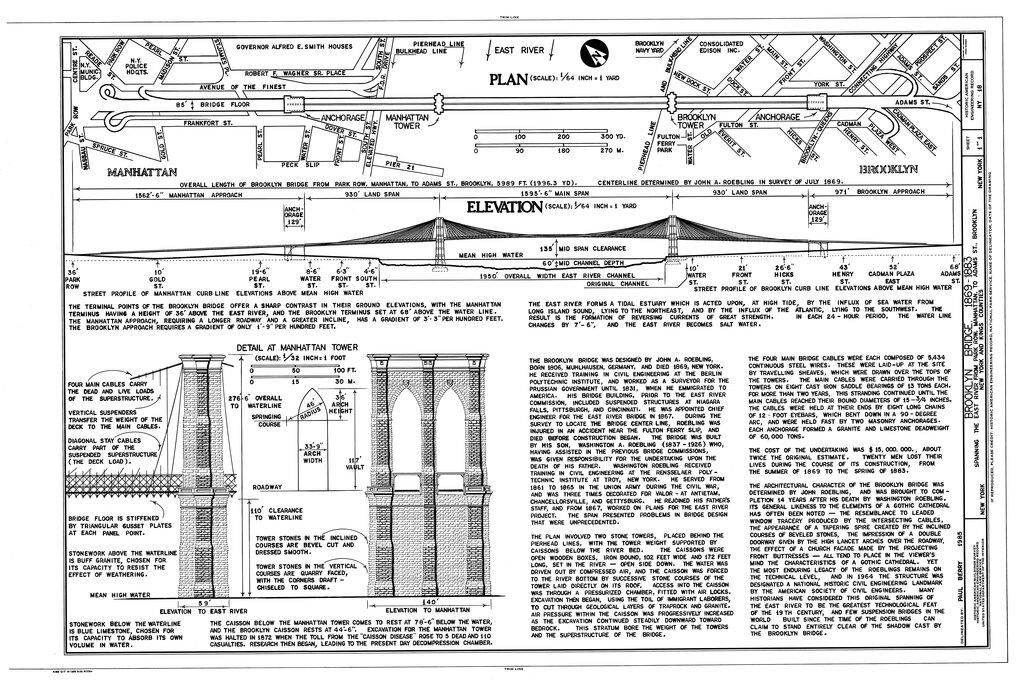
Civil Engineering: This is one of the oldest disciplines, focused on designing and building the infrastructure of society. Civil engineers work on projects like bridges, roads, dams, buildings, and water supply systems. They literally build the world we live in.
Mechanical Engineering: If it moves, a mechanical engineer probably had a hand in it. This field deals with machines, energy, and motion. Mechanical engineers design everything from tiny gears in a watch to massive power plant turbines and robotic manufacturing systems.
Electrical Engineering: This branch is all about electricity, electronics, and electromagnetism. Electrical engineers develop the electrical systems in our homes and cities, design computer hardware, and create the communication networks that connect the globe.
Aerospace Engineering: Focused on the design of aircraft, spacecraft, satellites, and missiles. Aerospace engineers tackle the challenges of flight, both within Earth's atmosphere and beyond.
These are just a few examples. Other fields include chemical, computer, biomedical, and environmental engineering, each tackling a unique set of challenges. Their combined work drives innovation and addresses some of the world's most pressing issues, from developing sustainable energy sources to creating life-saving medical devices.
That's a quick look into the world of engineering. Let's see what you've learned.