Engineering Advanced Science Models
Conceptual Engineering and Prototyping
From Idea to Blueprint
You have a solid hypothesis, a scientific principle you want to demonstrate. The next challenge is translating that abstract idea into a physical, interactive model. This is where science meets engineering. It's the process of moving from the 'what'—the phenomenon you're explaining—to the 'how'—the tangible mechanism that will bring it to life for an audience.
Conceptual engineering is the art of making an abstract principle physically demonstrable. It's about designing a conversation between your model and the viewer.
Think of it like writing a script for a play. The scientific principle is your theme, but you need to create characters (the components), actions (the interactions), and a stage (the structure) to tell the story. This initial design phase lays the foundation for everything that follows, from the first sketch to the final build.
Sketching the Mechanism
The first step in making your idea tangible is to create that outline the model's mechanical and structural layout. These aren't just doodles; they are the blueprints for your build. A good technical sketch communicates the core function, shows how parts connect and move, and provides a clear guide for construction. The goal is to create a visual language that bridges creative vision and engineering reality.
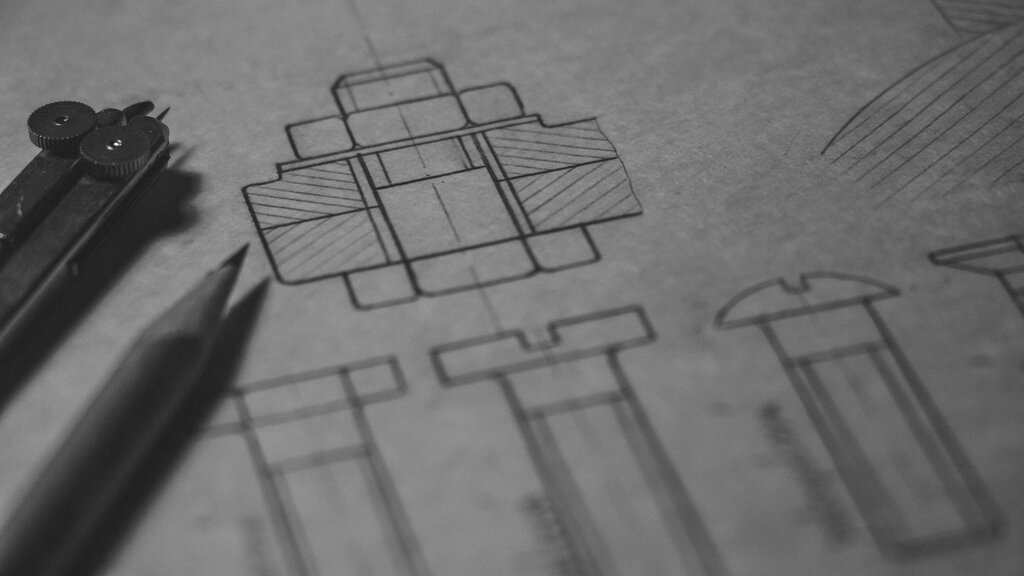
When sketching, focus on the primary mechanism that demonstrates the science. If you're showing conservation of momentum, what specific action makes it happen? Perhaps it's a series of swinging steel balls, like a Newton's cradle. Your schematic should detail how these balls are suspended, the materials used, and the mechanism a visitor might use to initiate the action. Every part should have a purpose tied directly to the hypothesis.
Scaling and Interaction
A concept that works on a small workbench needs careful adaptation to become a large-scale exhibition model. Scaling factors are crucial. Doubling the size of a model does not simply double its weight or material cost; these often increase cubically. A larger model might require stronger materials, a more powerful motor, or a different structural support system. You must balance visibility and impact with practicality and budget.
| Property | Scaling Effect (If Size Doubles) |
|---|---|
| Surface Area | Increases by 4 times () |
| Volume & Weight | Increases by 8 times () |
| Material Cost | Often tracks with volume/weight |
| Structural Stress | Increases significantly |
| Inertia | Harder to start and stop movement |
Equally important are the model's —the specific places where a visitor engages with the exhibit. Will they turn a crank, press a button, or simply observe? Each interaction must be intuitive, durable, and directly related to the scientific principle. For example, a crank that changes the speed of a wave generator allows the visitor to directly experiment with frequency and wavelength. These points must be designed to withstand thousands of uses without failing.
Is It Buildable?
A beautiful design is useless if it cannot be built, or if it breaks on the first day. This is why a feasibility assessment is a critical final step in the conceptual phase. This isn't a full engineering analysis, but a practical check on your design's viability. You need to consider the materials, the tools available, and the forces at play.
The engineering design process is a systematic approach to solving problems, transforming ideas into practical solutions through stages like ideation, prototyping, and iteration, ensuring functionality and efficiency.
Ask yourself simple questions. Can the wood you've chosen support the weight of the motor? Is the acrylic sheet thick enough to avoid cracking? Will the gearing system handle the torque from visitors cranking a handle? This is where you might create a small, rough prototype of a key mechanism to test its strength and function before committing to a full build. This process of de-risking your design saves time, money, and frustration.
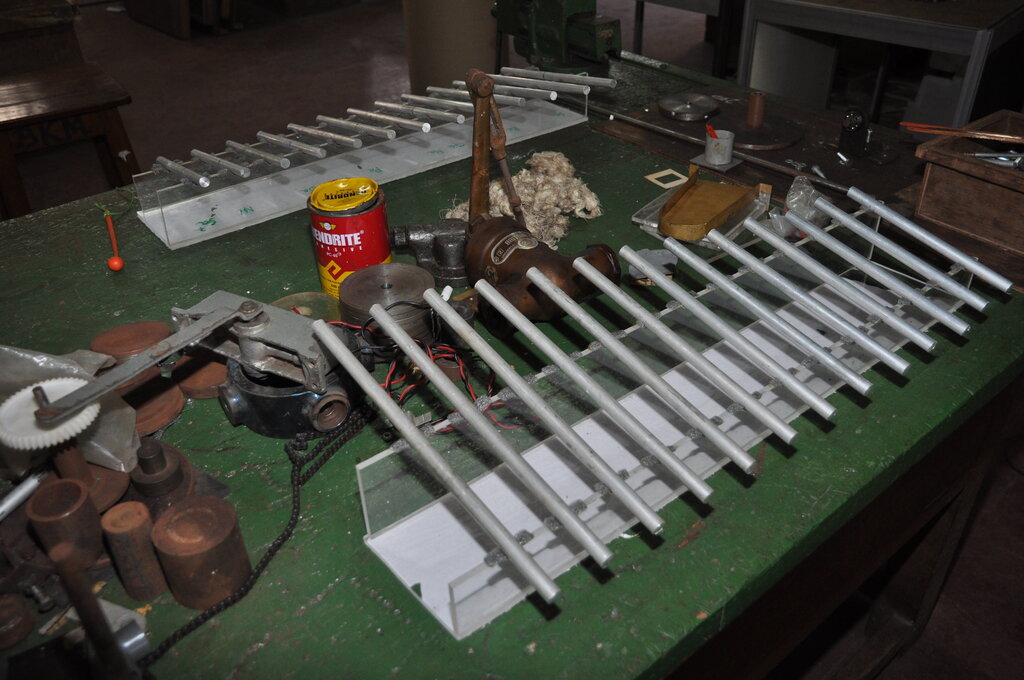
Moving from a hypothesis to a detailed schematic is a journey of translation. By methodically sketching your mechanism, considering scale and interaction, and performing a common-sense feasibility check, you create a robust blueprint that has the best chance of becoming a successful, engaging, and educational model.
What is the primary purpose of a technical sketch when designing a science model?
When scaling up a model, if you double its linear dimensions, its weight and material costs will also simply double.