Engine Failure Consequences of a Snapped Oil Pump Chain
Engine Lubrication Basics
Why Engines Need Oil
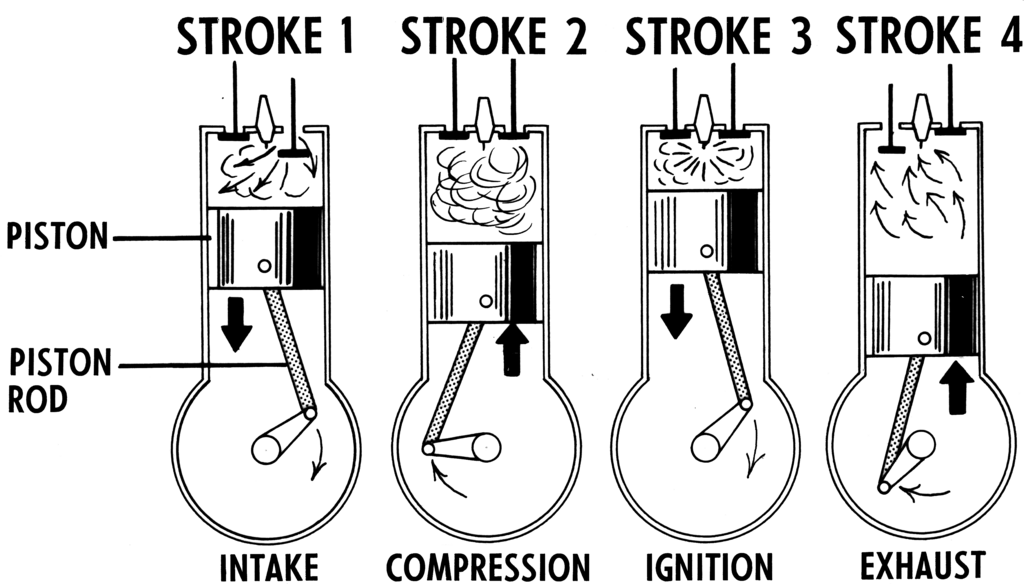
An internal combustion engine is a world of controlled explosions and high-speed motion. Pistons fly up and down inside cylinders thousands of times per minute, and the crankshaft spins with incredible force. All of this involves metal parts rubbing against each other at extreme speeds and temperatures.
Without something to manage the friction, an engine would quickly overheat, grind its parts into metal shavings, and seize up completely. That's where engine oil comes in. It's the lifeblood of the engine, creating a thin, protective film between moving components.
Think of oil as a triple threat: it lubricates to reduce friction, cools to manage heat, and cleans to remove harmful debris.
The Engine's Circulatory System
For oil to do its job, it can't just sit in one place. It needs to be actively pumped and circulated to every critical part of the engine. This is handled by the lubrication system, which works much like the circulatory system in a human body. Oil is drawn from a reservoir, pressurized, cleaned, and then sent exactly where it's needed most.
This system has a few key players:
- Oil Pan (Sump): This is the reservoir at the bottom of the engine that holds the supply of oil.
- Oil Pump: This is the heart of the system. It's a mechanical pump that sucks oil from the pan and pressurizes it, forcing it to circulate through the engine.
- Oil Filter: Before the oil reaches sensitive components, it passes through a filter. This is like the engine's kidney, removing tiny particles of metal, dirt, and carbon that could cause damage.
- Oil Passages (Galleries): These are a network of channels and holes drilled through the engine block and head, acting like arteries to deliver pressurized oil to every moving part.
The Many Jobs of Engine Oil
Modern engine oil is much more than just a simple lubricant. It’s a complex fluid engineered to perform several critical functions simultaneously.
Reducing Friction & Wear: This is oil's primary job. It forms a microscopic, high-pressure layer between surfaces, such as between the crankshaft and its bearings. This film prevents direct metal-to-metal contact, drastically reducing friction and preventing parts from wearing out prematurely.
Dissipating Heat: While the coolant system handles most of the engine's heat, oil plays a crucial role in cooling specific hot spots. It absorbs heat from the underside of pistons and from bearings, then carries that heat back to the oil pan where it can dissipate.
Cleaning: As oil circulates, it acts like a detergent, picking up contaminants. These include microscopic metal shavings from normal wear, soot from combustion, and sludge. The oil carries these particles to the oil filter, which traps them and keeps the engine clean.
Preventing Corrosion: Engines contain bare metal surfaces that are vulnerable to rust and corrosion from moisture and acids, which are natural byproducts of combustion. Additives in the oil neutralize these corrosive agents and form a protective barrier on metal parts.
Proper lubrication is not just about performance; it's about survival. An engine can be permanently destroyed by just a few seconds of running without oil pressure.
This is why regular oil changes are so important. Over time, oil breaks down from heat and becomes saturated with contaminants. Replacing it ensures the lubrication system can continue to protect the engine effectively.
What is the primary and most fundamental role of engine oil in an internal combustion engine?
Which component of the lubrication system is responsible for pressurizing the oil and forcing it to circulate?
Understanding these fundamentals is the first step. The entire system works together to keep an engine running smoothly for hundreds of thousands of miles.