Engine Camshaft Break-In Essentials
Camshaft Basics
The Engine's Conductor
Deep inside an internal combustion engine, a precisely engineered component acts like a conductor for an orchestra. It's called the camshaft, and its job is to make sure the engine can breathe. It dictates exactly when the intake and exhaust valves open, how far they open, and how long they stay open.
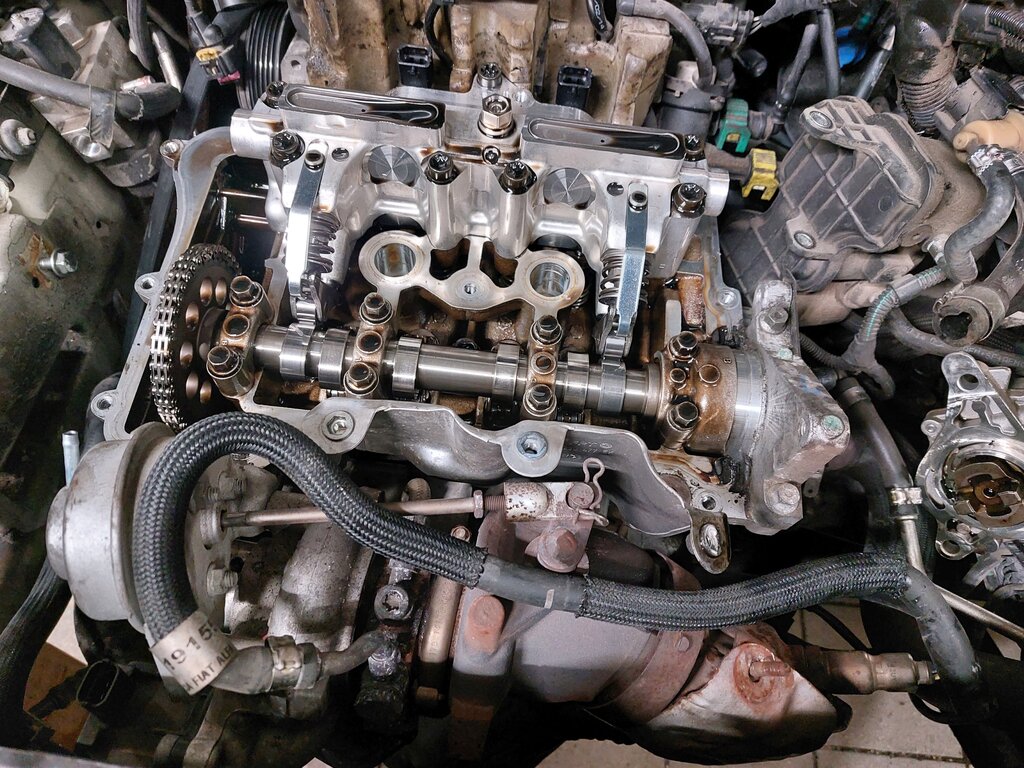
This timing is everything. The camshaft is a rotating shaft with a series of carefully shaped, pointed lobes along its length. As the shaft spins, these lobes push against components called lifters (or tappets), which in turn open the valves. The shape of each lobe is a precise profile that controls the valve's movement, ensuring fuel and air get in and exhaust gases get out at the perfect moment in the engine's cycle.
Two Main Flavors
While all camshafts perform the same basic function, they come in two main designs based on how the lifter contacts the cam lobe: flat tappet and roller.
Flat Tappet Camshafts: This is an older, simpler design. The bottom of the lifter is flat, and it literally slides against the surface of the cam lobe. This sliding action creates a significant amount of friction, which generates heat and causes wear over time. They were the standard in passenger cars for decades.
Roller Camshafts: A more modern and efficient design. The lifter has a small roller wheel at its base. This wheel rolls along the cam lobe instead of sliding. The result is a dramatic reduction in friction, which allows for more aggressive lobe profiles (meaning valves can open faster and further) and improved durability.
| Feature | Flat Tappet | Roller |
|---|---|---|
| Friction | High (sliding contact) | Low (rolling contact) |
| Durability | Lower; more susceptible to wear | Higher; less wear and tear |
| Performance | Good; limited by friction | Excellent; allows for aggressive designs |
| Cost | Less expensive | More expensive |
Why Break-In Matters
When a new engine is built or a new camshaft is installed, the components aren't perfectly matched. There are microscopic high and low spots on the surfaces of the cam lobes and lifters. The break-in period is the critical initial runtime where these parts wear into each other, creating a smooth, perfectly mated surface.
This is especially critical for flat tappet camshafts. Because of the high-friction sliding contact, the lobe and lifter surfaces must wear together correctly to form a durable, load-bearing relationship. If the break-in procedure isn't done right, the parts can wear out catastrophically in just a few minutes of engine operation.
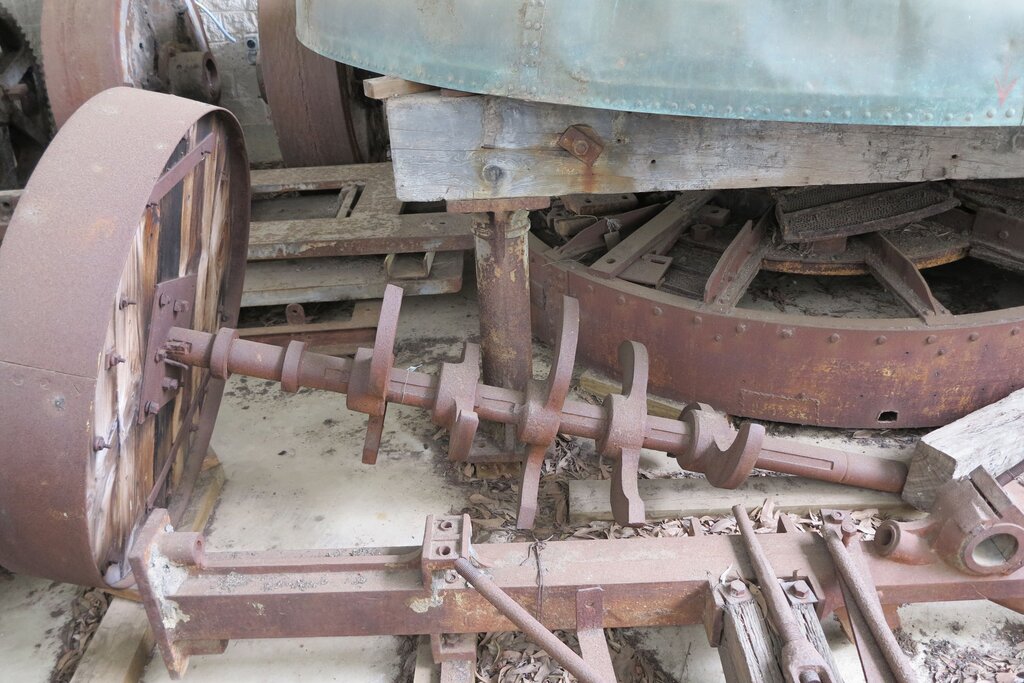
Improper break-in can lead to a 'wiped' cam lobe, where the hardened surface is worn away, rounding off the lobe's profile. This reduces how much the valve opens, severely hurting engine performance and eventually causing major engine damage.
Roller cams are more forgiving due to their low-friction design, but they still benefit from a proper initial run cycle to ensure all valvetrain components settle in correctly. A successful break-in process is the foundation for a long-lasting and powerful engine.
Let's review these concepts.
Now, check your understanding.
What is the primary function of a camshaft in an internal combustion engine?
An engine with a new flat tappet camshaft is started and run improperly for the first time. What is the most likely and immediate consequence?
Understanding the role of the camshaft and the importance of its initial run-in is a key step in appreciating how an engine works.