Engaging Slide Decks That Keep Audiences Awake
Understanding Audience Needs
Know Your Audience
Before you write a single word or design a single slide, the most important step is to understand who you're talking to. A presentation that works for a room full of experts will fall flat with a group of beginners. A message that resonates with one generation might not connect with another. This is where audience analysis comes in. It's the process of learning about your audience so you can tailor your message directly to their needs, interests, and level of understanding.
Think of it this way: You wouldn't explain a complex scientific theory to a group of five-year-olds the same way you would to graduate students. The core information might be the same, but the language, examples, and depth would be completely different. The goal is to meet your audience where they are.
Understanding your audience is the cornerstone of any effective presentation.
Gathering Your Data
So, how do you get to know people you may have never met? You can gather information through both direct and indirect methods. The key is to be a detective and piece together a clear picture of your audience.
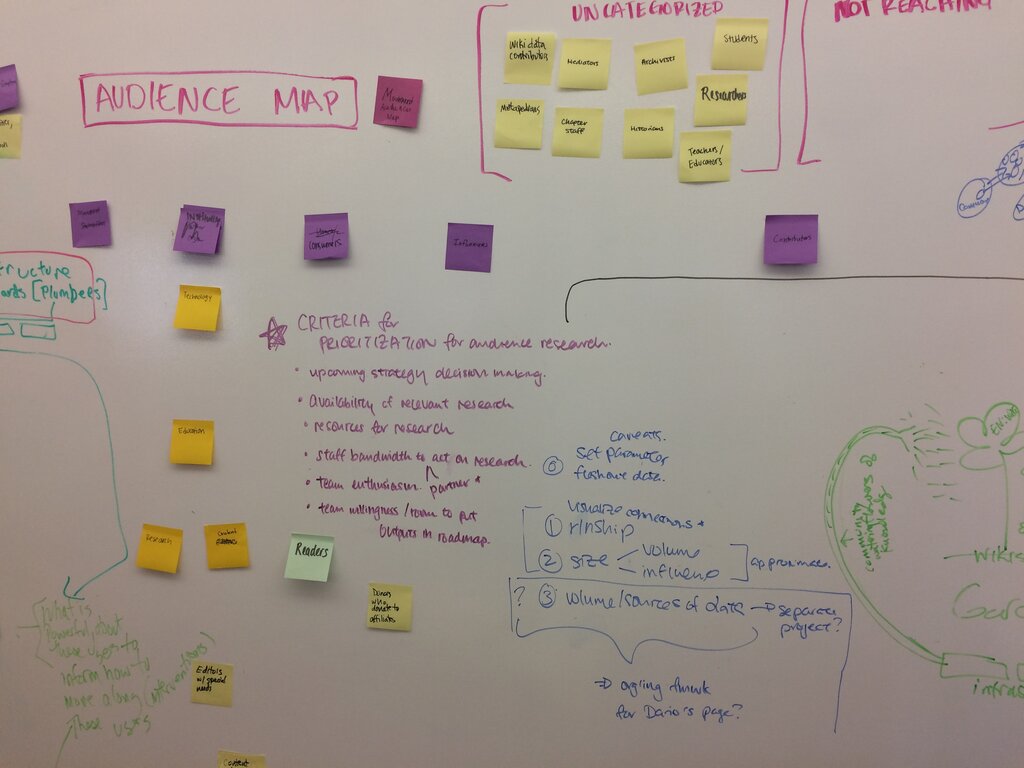
Demographic information provides a broad overview. This includes quantifiable characteristics like age, gender, education level, and profession. This data helps you make general assumptions about your audience's experiences and perspectives. A presentation for university students will be different from one for corporate executives.
Here are some common demographic points to consider:
| Demographic | Why It Matters |
|---|---|
| Age Range | Influences cultural references, attention span, and familiarity with technology. |
| Profession | Dictates the level of industry-specific jargon you can use. |
| Education Level | Helps you gauge the appropriate complexity of your content. |
| Group Size | Affects how you might structure questions or interactive segments. |
Beyond basic demographics, try to understand the psychographics of your audience. This involves their attitudes, values, and beliefs. Are they skeptical? Enthusiastic? What are their goals or pain points related to your topic? This deeper understanding helps you connect with them on an emotional level.
Assessing Their Knowledge
One of the biggest mistakes a presenter can make is misjudging the audience's prior knowledge. If you assume they know more than they do, you'll leave them confused and frustrated. If you assume they know less, you risk boring them or sounding condescending.
Your goal is to find the sweet spot. Ask yourself:
- What do they already know about this topic?
- What are their potential misconceptions?
- What new information do they need from me?
If you're unsure, it's often better to start with the basics and build from there. You can always say, "As many of you may already know..." to acknowledge existing expertise without leaving beginners behind.
Cultural context is also vital. Norms around humor, directness, and formality vary widely across cultures. A joke that lands well in one country might be confusing or even offensive in another. Be mindful of idioms, metaphors, and examples that might not translate well for a diverse or international audience. When in doubt, aim for clarity and respect.
How to Ask
When possible, gather insights directly. If you have access to the attendees beforehand, simple tools can provide a wealth of information.
Surveys: A short, pre-presentation survey can be incredibly effective. Use a tool like Google Forms to ask a few key questions. Keep it brief to encourage participation.
Example questions could include:
- On a scale of 1-5, how familiar are you with [Your Topic]?
- What is the one thing you hope to learn from this presentation?
- What is your job role or area of study?
Interviews: For smaller groups or key stakeholders, a quick conversation can be invaluable. Talking to a few people directly gives you nuanced insights that a survey might miss. Ask them about their challenges, expectations, and what a successful presentation would look like for them.
Observation: If you're speaking at a multi-day conference, attend other sessions to get a feel for the audience. Pay attention to the questions they ask, their energy levels, and what topics seem to generate the most interest. This passive form of research can help you fine-tune your message on the fly.
Now, let's test your understanding of these core concepts.
What is the primary goal of audience analysis when preparing a presentation?
Information such as age, gender, and profession are examples of ______ data.
Taking the time to analyze your audience is an investment that pays off. It's the difference between a presentation that's simply delivered and one that truly connects and makes an impact.