Engaging Slide Decks
Understanding Audience Needs
Start with Who
Before you write a single word or choose a single image for your presentation, you need to know who you're talking to. A presentation is a conversation, and the best conversations happen when you understand the other person. This is the core of audience analysis: figuring out who they are, what they know, and what they care about.
Understanding your audience is the cornerstone of any effective presentation.
Think of it like giving a gift. You wouldn't buy a skateboard for your grandmother or a set of knitting needles for your toddler. You'd consider their age, hobbies, and what would genuinely be useful or delightful to them. The same logic applies to a presentation. Your content is a gift to the audience, and it should be something they can actually use and appreciate.
Gathering Clues
So, how do you figure out what your audience needs? You become a detective. You look for clues about their demographics, their interests, and their level of expertise on your topic. Demographics are the basic statistical characteristics of your audience.
| Demographic | Why It Matters |
|---|---|
| Age | Affects cultural references, attention span, and technological familiarity. |
| Profession | Shapes their perspective, vocabulary, and the problems they face daily. |
| Education Level | Influences the complexity of language and concepts you can use. |
| Group Size | A small group might allow for more interaction than a large keynote address. |
You don't need to survey every person. Often, you can get this information from the event organizer or by considering the context of the presentation. Are you speaking to a team of senior engineers, a group of high school students, or a community meeting of local residents? Each group requires a different approach.
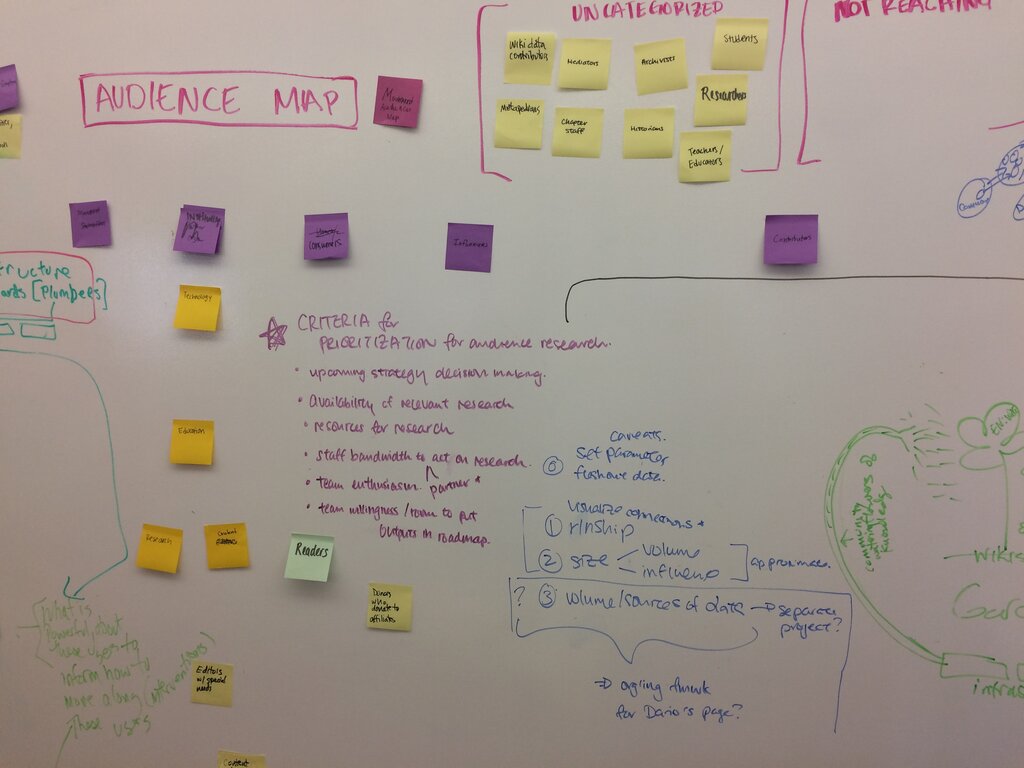
Gauging Their Knowledge
Once you have a general idea of who they are, you need to assess their prior knowledge. Are they experts on your topic, or are they complete beginners? This is probably the most critical question you can ask. Mismatched expertise is a recipe for a failed presentation.
If you talk over their heads, you'll lose them to confusion. If you talk down to them, you'll lose them to boredom.
Here’s a simple way to think about it:
- Novices: They need the basics. Define all key terms, use clear analogies, and focus on the big picture. Avoid jargon. Their main question is "What is this?"
- Generalists: They have some familiarity but aren't experts. You can use some standard terminology but should still explain complex ideas. They want to know, "Why is this important to me?"
- Experts: They already know the fundamentals. They're looking for new insights, advanced techniques, or nuanced arguments. You can use technical jargon and dive deep into specifics. They're asking, "What's new here?"
Finally, consider their interests and motivations. Why are they here? Were they required to attend, or did they choose to be there? What problem are they hoping you can help them solve? When your content directly addresses their goals and pain points, you create an instant connection and hold their attention.
Ready to test what you've learned about connecting with your audience?
What is the primary goal of audience analysis for a presentation?
According to the text, if your audience is composed of 'Generalists,' what is the main question they are looking to have answered?
Putting your audience first is a simple shift in perspective, but it makes all the difference. It turns a one-way speech into a valuable exchange of ideas.