Engaging Slide Deck Design
Understanding Audience Needs
Start With Who
Before you write a single word or choose a single image for your slides, you need to think about the people who will be watching. A great presentation isn't a monologue shouted into the void. It's a conversation. And to have a good conversation, you must know who you're talking to. Think of it like a chef preparing a meal. You wouldn't serve a spicy curry to someone who can't handle heat or a steak to a vegetarian. The same principle applies here. Your goal is to prepare a presentation that nourishes your audience's curiosity and satisfies their need for information.
Understanding your audience is the cornerstone of any effective presentation.
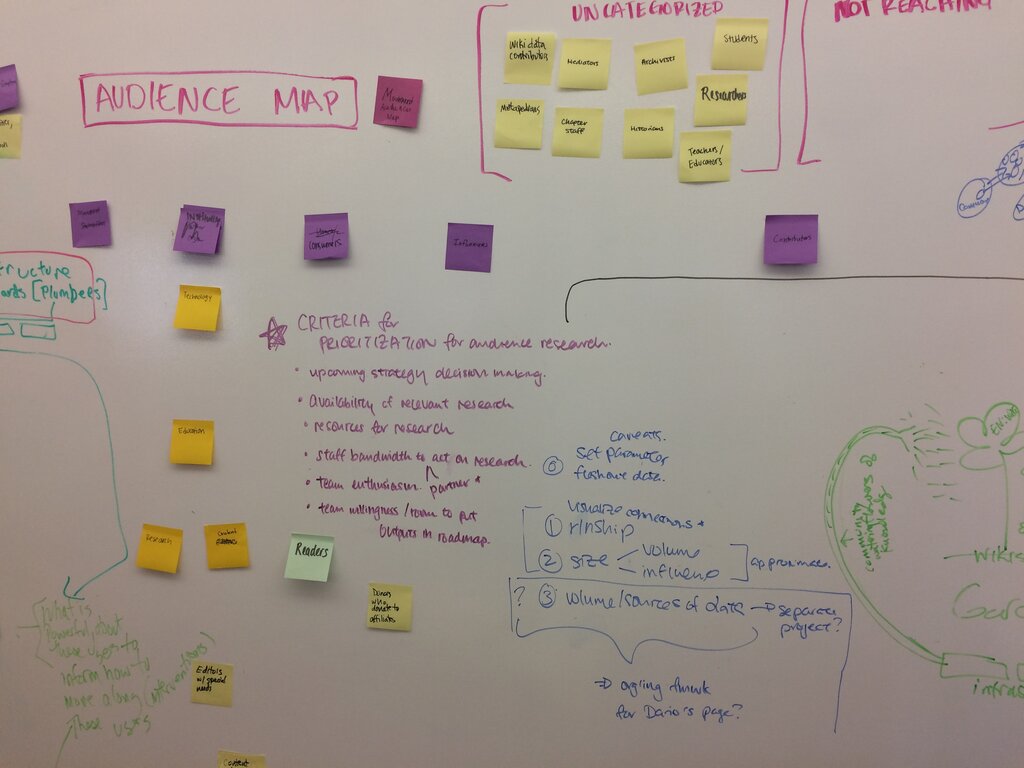
This process of getting to know your listeners is called audience analysis. It's not about making wild guesses. It's about doing a little detective work to build a clear picture of the people in the room, so you can tailor your message directly to them.
The What and The Why
Your analysis should look at two types of information: demographics and psychographics. Demographics are the straightforward, factual details about your audience. They give you a basic sketch of who they are.
Psychographics are a bit deeper. They tell you why your audience might care about your topic. This includes their beliefs, values, attitudes, and interests. While demographics might tell you you're speaking to a group of engineers, psychographics might tell you they value efficiency, are skeptical of marketing jargon, and are interested in practical, data-driven solutions.
| Category | Questions to Ask |
|---|---|
| Demographics | What is their average age? What is their profession or industry? What is their role in their company? |
| Psychographics | What are their goals related to this topic? What are their biggest challenges or pain points? What are their attitudes or preconceived notions about this subject? |
How do you find this information? If possible, talk to the event organizer. Ask them about who typically attends and what their expectations are. If you're presenting to a specific company, look at their website and social media to understand their culture and values. Sometimes, a simple pre-event survey can provide invaluable insight.
Tune Your Content
Once you have a clearer picture of your audience, you can start adapting your content. The key is to match your message to their level of understanding and their interests. Are they complete beginners, seasoned experts, or a mix of both?
A presentation for novices should avoid jargon, define key terms, and use simple, relatable examples. For experts, you can dive into complex details and technical specifics. For a mixed audience, the challenge is to keep everyone engaged. You might start with the basics to bring everyone up to speed, then move into more advanced topics, perhaps using breakout sessions or optional deep-dive slides.
Engaging a diverse audience also means using examples and stories that resonate widely. If your audience comes from different cultural or professional backgrounds, avoid inside jokes or references that only a small portion will understand. The goal is to make everyone feel seen and included in the conversation you are leading.
Your core message might stay the same, but how you frame it, the language you use, and the examples you provide should all be filtered through the lens of your audience analysis.
Now, let's check your understanding of these concepts.
What is the primary goal of conducting an audience analysis before a presentation?
Which of the following is an example of a psychographic detail about an audience?
By putting your audience first, you shift from simply presenting information to creating a valuable experience. It’s the most important step in building a slide deck that truly connects and makes an impact.