Engaging Slide Deck Design
Understanding Audience Needs
Before You Write a Single Slide
The first step in creating a powerful presentation has nothing to do with fancy fonts or slick graphics. It’s about people. Specifically, the people you’ll be talking to. A presentation is a conversation, and to have a good one, you need to know who’s on the other side. Without understanding your audience, you’re just talking into the void.
Understanding your audience is the cornerstone of any effective presentation.
Audience analysis is the process of gathering information about the people you’ll be presenting to. It helps you make informed decisions about your content, tone, and structure. The goal is simple: to make your message resonate.
Gathering Your Intel
So, how do you get to know your audience? It’s not about mind-reading. It’s about asking the right questions. The answers will form the foundation of your entire presentation.
You can start by looking at three main areas: demographics, prior knowledge, and their needs and interests.
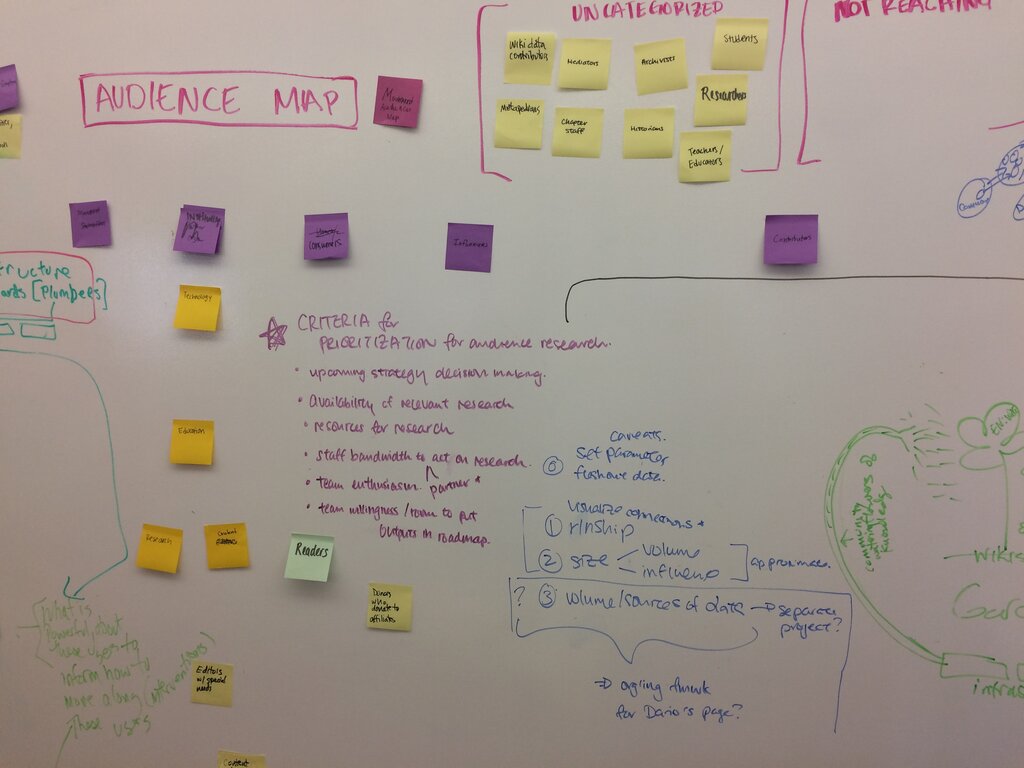
Demographics are the statistical characteristics of your audience. Think about things like age, job title, industry, and cultural background. Are you speaking to a group of college students or seasoned executives? The language, examples, and even the humor you use will change dramatically depending on the answer.
Next, assess their knowledge level. Do they already know the basics of your topic, or are they complete beginners? You don't want to bore experts with introductory concepts or overwhelm newcomers with technical jargon. Your job is to meet them where they are.
A quick pre-presentation survey or a conversation with the event organizer can be a great way to gauge the audience's familiarity with your subject.
Finally, and most importantly, identify their interests and needs. Why are they here? What problem are they trying to solve? What do they hope to gain from your presentation? Your content should be a direct answer to these questions. When the audience feels you are speaking directly to their concerns, they will listen.
| Question Category | Sample Questions |
|---|---|
| Demographics | What are their job roles? What is the general age range? |
| Knowledge | How familiar are they with this topic? What terms might be new to them? |
| Needs/Interests | What challenges are they facing? What will they find most valuable? |
Putting It All Together
Once you have a clear picture of your audience, you can start tailoring your content. This is where your research pays off. For example, if you know your audience is made up of marketing managers, you can use marketing-specific case studies. If they’re new to the topic, plan to spend more time on foundational concepts and define key terms clearly.
A good audience analysis ensures that messages and activities realistically reflect and address the audience’s values, desires and barriers to change.
This analysis also informs your engagement strategy. An audience of engineers might appreciate data-heavy charts and a deep dive into methodology. A group of artists, on the other hand, might respond better to visual storytelling and creative examples. By anticipating their preferences, you can design a more interactive and memorable experience.
Time to test your understanding of these core concepts.
What is the primary goal of audience analysis in a presentation?
Assessing an audience's age, job title, and industry falls under which category of analysis?
Thinking about your audience isn't a one-time task you check off a list. It's a mindset that should guide every decision you make while building your presentation.