Engaging Slide Deck Design
Understanding Audience Needs
Start with Your Audience
Before you open a slide-making app or even write a single bullet point, the first step is to forget about your presentation. Instead, think about the people who will be watching it. A presentation is a conversation, and the best conversations happen when you know who you’re talking to. Without understanding your audience, you're just talking into a void.
Understanding your audience is the cornerstone of any effective presentation.
Your goal isn't just to share information; it's to make that information matter to the specific group of people in the room. To do that, you need to become a bit of a detective and gather some intel. The more you know, the more your message will resonate.
Gathering Your Intel
So, how do you figure out who your audience is? You don’t have to guess. There are straightforward ways to gather the information you need. The easiest place to start is with the person who invited you to speak. Ask them for details about the attendees.
Who are they? What are their job titles or roles? Why was this event organized? What is the single most important thing they should learn from your talk?
If you have direct access to attendees, you can do your own research. A simple pre-event survey using a free tool can work wonders. Ask about their experience level with your topic and what they hope to get out of the session. Even looking at a list of attendee names and companies can give you valuable clues to tailor your content.
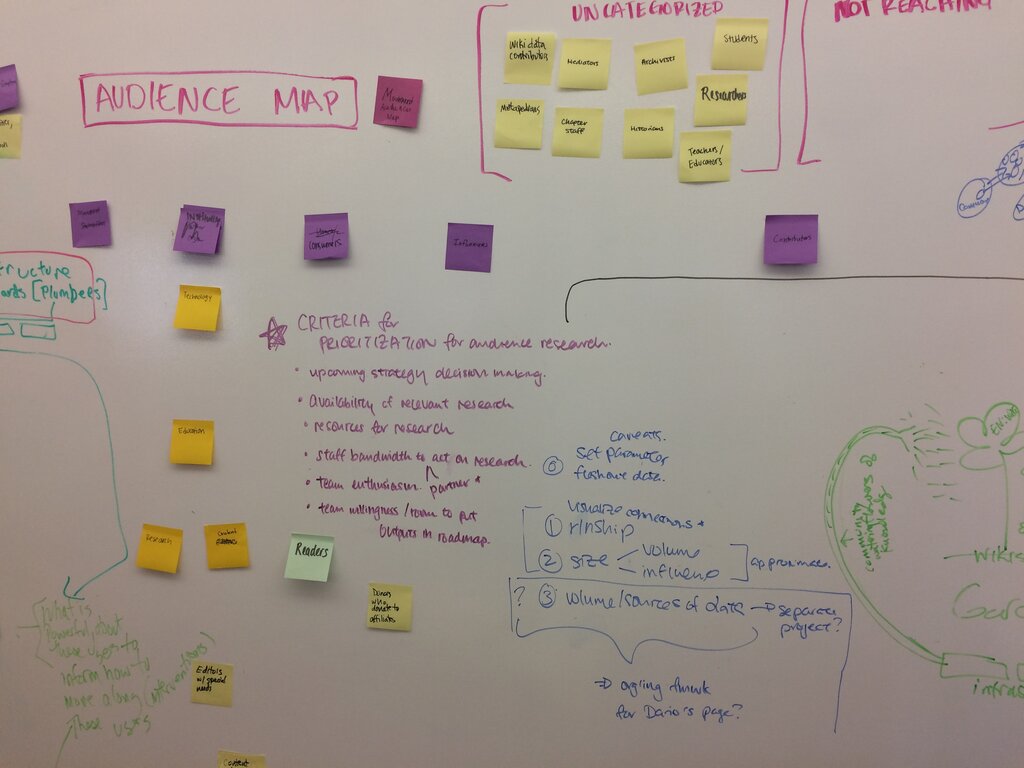
This research helps you build a mental picture of your typical audience member. Are you speaking to a group of senior executives, new hires, university students, or a mix of everyone? Each group has different priorities and perspectives.
For example, executives might care about the high-level business impact, while new hires might need more foundational, step-by-step information. A mixed audience is the most challenging, requiring you to provide value for both beginners and experts.
Tailoring Your Message
Once you have your intel, it's time to put it to use. Every piece of information you've gathered should influence the content of your slides. This is where a generic presentation transforms into a compelling, relevant experience.
| Audience Insight | How to Adapt Your Content |
|---|---|
| Beginner Knowledge Level | Avoid jargon. Define key terms. Use simple analogies. Focus on foundational concepts. |
| Expert Knowledge Level | Dive into complex details. Use industry-standard terminology. Focus on new insights or advanced applications. |
| Varied Job Roles | Use a range of examples that speak to different functions (e.g., marketing, engineering, sales). |
| Specific Goal (e.g., to learn a new skill) | Make your content practical and action-oriented. Provide clear takeaways and next steps. |
| Mandatory Attendance | Your first job is to convince them why this matters to them. Start with a compelling hook that addresses a pain point. |
Think about the language you use. Presenting to engineers is different from presenting to artists. The examples you choose should be relatable. If you're talking to people in the healthcare industry, use healthcare examples. This small change shows you've done your homework and makes your message stick.
Ultimately, tailoring your content is about empathy. It's about stepping into your audience's shoes and asking, "What's in it for me?" If every slide you create helps answer that question, you're on your way to a great presentation.
What is the very first step you should take when preparing a presentation, according to the provided text?
If you are presenting to a group of healthcare professionals, which of the following is the best way to make your message resonate?
Knowing your audience is the first and most critical step in creating a presentation that makes an impact.