Engaging Slide Deck Design
Understanding Audience Needs
Start With Who, Not What
Before you write a single headline or choose a single image for your presentation, you need to answer one question: Who is this for? It’s easy to get caught up in the message you want to deliver, but a great presentation isn’t a monologue. It’s a conversation. And the first rule of good conversation is to know your audience.
Understanding your audience is the cornerstone of any effective presentation.
Thinking about your audience first shifts your entire approach. Instead of focusing on “What do I want to say?” you start asking, “What do they need to hear?” This simple change transforms your presentation from a data dump into a valuable, engaging experience for the people in the room.
Digging Into Demographics
Start by gathering the basic facts. This is the demographic information that provides a foundational sketch of your audience. Answering these questions helps you avoid making assumptions and allows you to frame your content in a way that feels relevant.
Key questions to ask:
- Who are they? Consider their job titles, roles, and industries. Are they executives, engineers, students, or a mix?
- How much experience do they have? Are they beginners in this topic or seasoned experts?
- What is the context? Is this a formal conference, an informal team meeting, or a sales pitch? The setting dictates the tone.
- Why are they here? Did they choose to attend, or is it mandatory? Their motivation level will influence how you need to engage them.
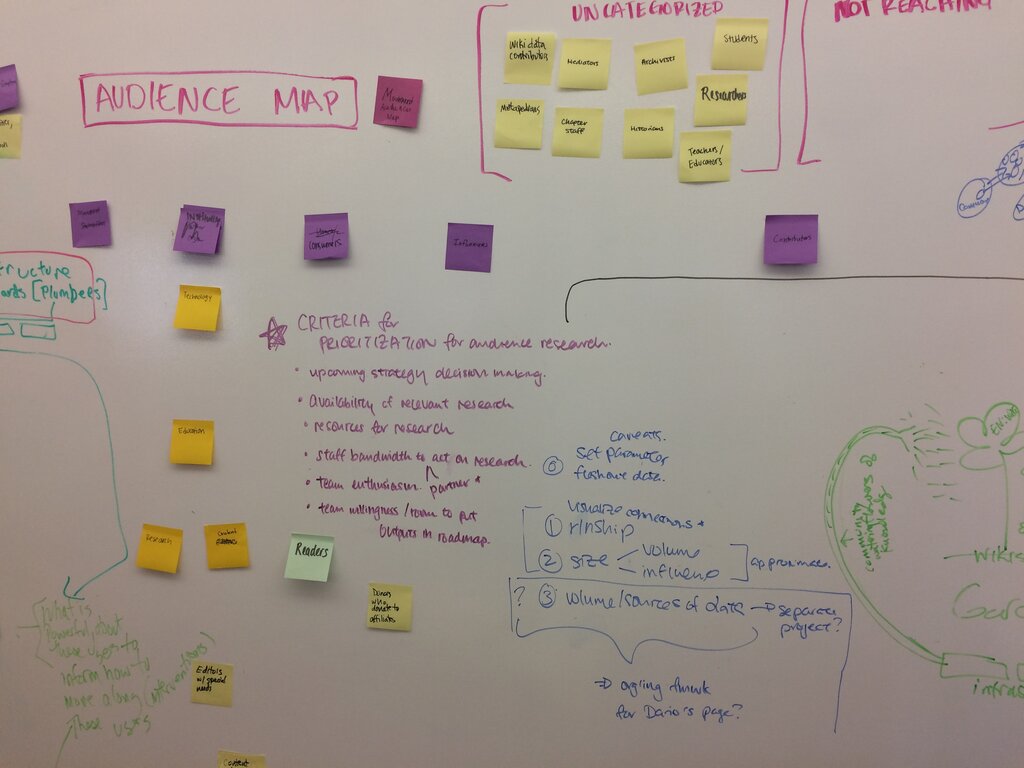
This information helps you decide on the right language, examples, and level of detail. You wouldn't explain a concept to a group of industry veterans the same way you would to a class of university students.
Beyond the Basics
Demographics are just the starting point. To truly connect, you need to understand your audience's mindset. This means looking at their interests, their existing knowledge, and their emotional state.
| Question Category | What to Ask Yourself |
|---|---|
| Prior Knowledge | What do they already know about this topic? What misconceptions might they have? |
| Interests & Goals | What are they hoping to achieve by listening to you? What problems are they trying to solve? |
| Attitude | Are they excited, skeptical, or neutral about your topic? What are their potential biases? |
Assessing prior knowledge is critical. If you start too basic, you’ll bore the experts. If you start too advanced, you’ll lose the beginners. A good strategy is to briefly recap foundational concepts before diving into more complex material. This brings everyone to a similar starting point without lingering too long on what some may already know.
Think of it like this: You can’t build the second floor of a house without a solid foundation. Briefly checking that the foundation is in place ensures everyone can follow along as you build your argument.
Once you have a clear picture of who your audience is and what they need, you can tailor your message directly to them. This is where you connect your key points to their goals and challenges. Frame your content as a solution to their problems or a path to their objectives. When your audience feels like you're speaking directly to their needs, they are far more likely to listen and engage.
What is the most critical question a presenter should answer before developing any content?
When presenting to an audience with mixed experience levels (beginners and experts), what is the recommended approach?
By putting your audience at the center of your preparation process, you ensure your presentation is not just heard, but that it actually makes an impact.