Engaging New Zealand Farmers for Sustainable Agriculture
Understanding New Zealand's Agricultural Landscape
The Backbone of the Economy
Agriculture is more than just a part of New Zealand's landscape; it's the engine of its economy. The country's temperate climate, fertile soil, and abundant water create ideal conditions for farming. For decades, the agricultural sector has been the nation's largest source of export earnings, shipping dairy products, meat, and wool to markets all over the globe.
This industry doesn't just generate income; it creates jobs. From the farmers working the land to the scientists developing better crops and the marketers selling products overseas, agriculture supports a vast network of employment across the country. It has shaped New Zealand's identity, culture, and international reputation as a producer of high-quality food.
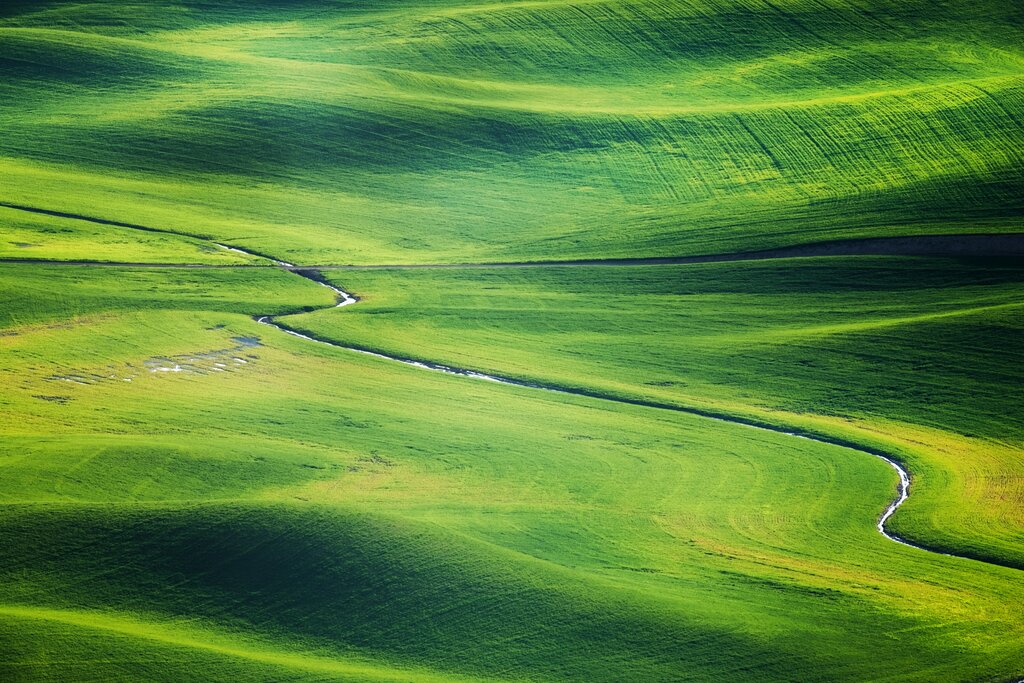
A Diverse Patchwork
New Zealand's farming isn't a monolith. It's a diverse collection of systems, each suited to different regions and climates.
Dairy farming is the giant of the industry. Concentrated in areas with reliable rainfall like Waikato and Taranaki, vast herds of cows produce milk that is processed into milk powder, butter, and cheese for export.
Sheep and beef farming are also widespread, especially in the hill country of both the North and South Islands. New Zealand is world-renowned for its lamb, and its beef industry is a significant contributor to the economy as well. These animals are often raised on extensive pastoral farms.
Arable farming involves growing crops. In regions like the Canterbury Plains, flat land and favorable conditions allow for the large-scale cultivation of wheat, barley, and various seeds. Horticulture, which includes the cultivation of fruits like kiwifruit and apples, and viticulture (grape growing for wine) are also major players, particularly in areas like the Bay of Plenty and Marlborough.
| Farming System | Primary Products | Common Regions |
|---|---|---|
| Dairy | Milk, butter, cheese, milk powder | Waikato, Taranaki, Southland |
| Sheep & Beef | Lamb, mutton, wool, beef | Wairarapa, Gisborne, Otago |
| Arable & Horticulture | Grains, seeds, kiwifruit, apples, wine | Canterbury, Hawke's Bay, Marlborough |
Growing Pains
This agricultural success comes with significant environmental costs. The very practices that make farming productive can also harm the natural world. One of the biggest challenges is managing greenhouse gas emissions. Methane released from livestock, particularly cattle and sheep, is a major contributor to New Zealand's climate footprint.
Water quality is another critical issue. Runoff from farms can carry excess nutrients, like nitrogen from fertilizers and animal waste, into rivers and lakes. This can lead to algal blooms that harm aquatic life and make water unsafe for recreation. Soil health is also a concern, as intensive farming can lead to compaction and erosion over time, reducing the land's long-term productivity.
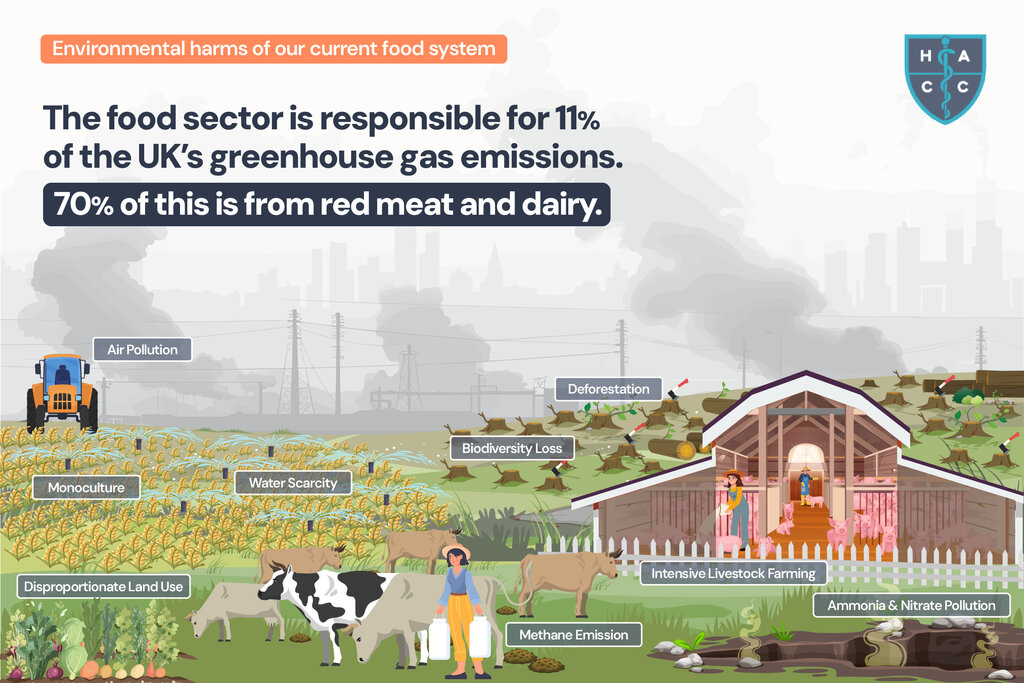
Recognizing these challenges, there is a growing movement towards a more balanced approach. The goal is to find ways to produce food that don't compromise the health of the environment for future generations.
Sustainable Agriculture
noun
A method of farming that meets society's present food needs without compromising the ability of future generations to meet their own needs. It integrates three main goals: environmental health, economic profitability, and social equity.
For New Zealand, embracing sustainable agriculture is not just an environmental imperative; it's an economic one. The country's international brand is built on a reputation for being "clean and green." Protecting this image is vital for maintaining a competitive edge in global markets where consumers are increasingly concerned about the origins and impact of their food.
By adopting more sustainable practices, farmers can help ensure the long-term health of the land and waterways, reduce their climate impact, and secure the future of New Zealand's most important industry.
What is the primary role of the agricultural sector in New Zealand's economy?
Which environmental issue is most directly linked to New Zealand's large-scale dairy and sheep farming?
New Zealand's agricultural sector is at a crossroads, balancing economic necessity with environmental responsibility. Understanding this dynamic is key to appreciating the challenges and opportunities that lie ahead.