Engaging Elementary Content Delivery
Child Development Basics
The Developing Child
Children between the ages of 5 and 11 are in a constant state of transformation. It's not just about getting taller; their brains, social skills, and emotional worlds are all rapidly developing. As an educator, understanding these changes is key to creating a classroom where every student can thrive. We can think of this growth happening across four interconnected areas: physical, cognitive, social, and emotional.
Key Areas of Growth
Let's look at the major shifts happening during the elementary years.
Physical Development This is the most obvious area of growth. Children's bodies are becoming stronger and more coordinated. Gross motor skills, which involve large muscle groups, improve dramatically. They can run faster, jump higher, and throw a ball with more accuracy. At the same time, their fine motor skills are refining. This allows them to tie their shoes, write more neatly, and use scissors with precision. This physical confidence often translates into a greater willingness to participate in classroom activities and games.
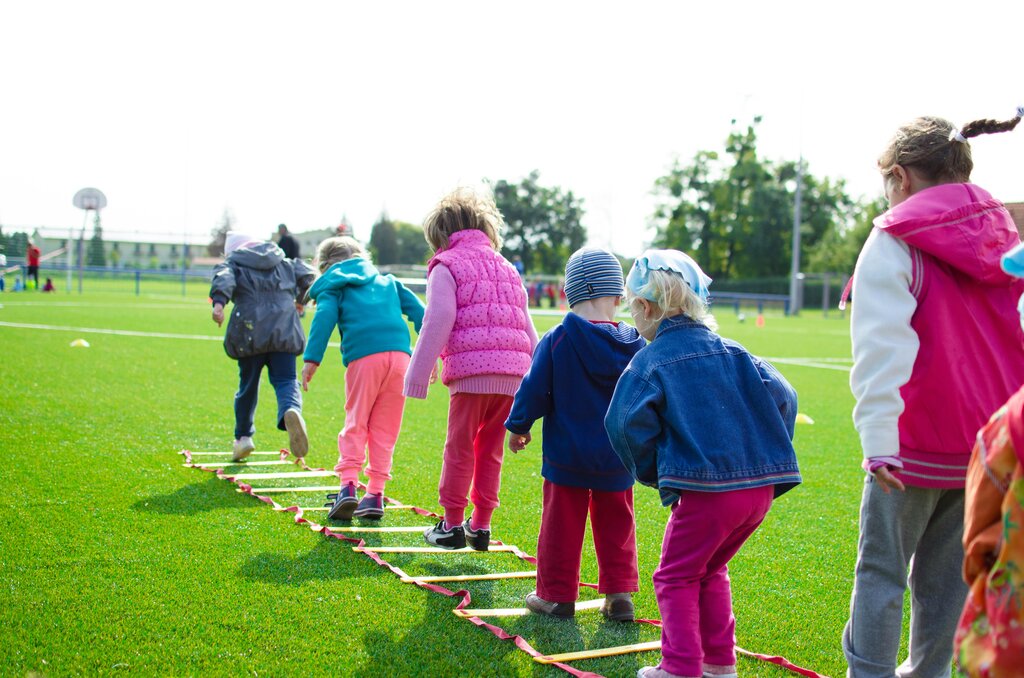
Cognitive Development Cognitively, elementary schoolers are moving from a very literal understanding of the world to more logical and organized thinking. They start to grasp concepts like cause and effect, and their memory and attention spans lengthen significantly. This allows them to follow multi-step instructions and tackle more complex problems.
Between the ages of 5 to 7, children experience a rapid change in both their mental and cognitive skills.
Early in this stage, children are concrete thinkers. They learn best through hands-on activities. As they get older, they begin to think more abstractly, but tangible examples and direct experiences remain powerful teaching tools.
Social Development Friendships become incredibly important during this time. Children are learning how to cooperate, share, and negotiate with their peers. They begin to understand social rules and the importance of fairness. They also develop a greater ability to see things from another person's perspective, which is a crucial step in building empathy. Group projects and collaborative games aren't just fun; they're essential practice for these developing social skills.
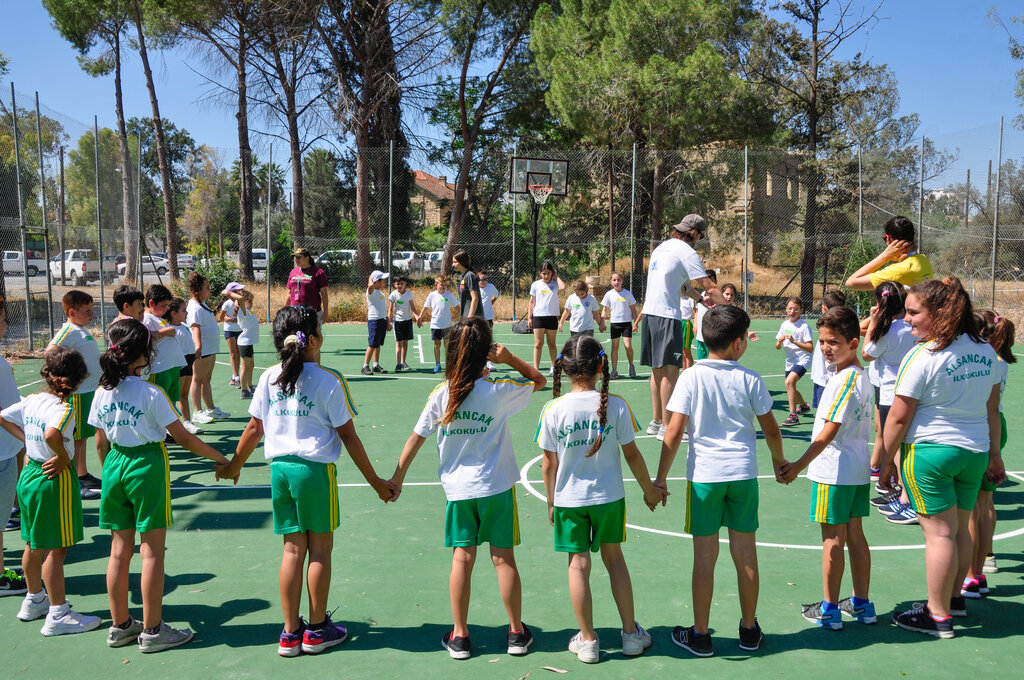
Emotional Development Younger children often have big feelings they can't quite name or control. Throughout the elementary years, they develop a more sophisticated emotional vocabulary. They learn to identify what they're feeling—sad, angry, proud, frustrated—and find appropriate ways to express and manage those emotions. They also become more aware of the feelings of others, further building their capacity for empathy. A stable sense of self-esteem begins to form, heavily influenced by their experiences of success and their relationships with peers and adults.
How Development Happens
A child's development isn't predetermined. It's a dynamic interplay between their innate biological timeline (maturation) and the world around them (environment). Think of it like planting a garden. You can have the best seeds in the world, but without the right soil, water, and sunlight, they won't reach their full potential. Similarly, a child's brain is wired to learn language, but they won't learn to speak without hearing language from the people around them. A supportive, stimulating environment at home and school provides the essential "nutrients" for healthy growth across all domains.
The Role of Play Never underestimate the power of play. It's often called "the work of childhood" for a reason. During play, children are not just having fun; they are experimenting with social roles, solving problems, practicing communication, and developing their creativity. Whether it's a structured board game or imaginative make-believe, play is a vital engine for both cognitive and social development.
Finally, remember that development is not a race. Milestones provide a general guide, but every child follows their own unique timeline. Some may develop fine motor skills quickly but take longer to feel comfortable in social groups. Others might be early readers but struggle with coordination. Recognizing and honoring these individual differences is crucial. The goal is to create a flexible and supportive learning environment that meets each child where they are, celebrating their strengths and providing help where it's needed.
Ready to check your understanding? This quiz covers the key ideas about child development we've discussed.
Which of the following activities is the best example of a child's developing fine motor skills?
According to the text, elementary school children are primarily _______ thinkers, meaning they learn best through hands-on activities and tangible examples.
Understanding these foundational concepts allows you to build a classroom that supports the whole child—physically, cognitively, socially, and emotionally.