Energy Trading Essentials
Energy Market Fundamentals
The Heartbeat of the Market
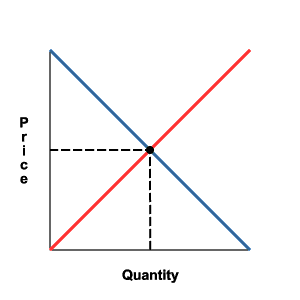
At its core, any market is a conversation between buyers and sellers. In energy markets, this conversation is about price, and it's driven by two powerful forces: supply and demand. Think of it like a seesaw. When supply (the amount of energy available) is high and demand (the amount people want) is low, prices tilt downward. When demand is high and supply is tight, prices shoot up.
Turns out those forces have a lot to do with this chapter’s topic: demand and supply.
This simple principle governs the price of everything from a barrel of oil to the electricity powering your home. But the energy seesaw is constantly in motion, rocked by a huge number of factors that can change from one day to the next.
What's Being Traded?
Energy isn't a single item. It's a category of commodities, each with its own unique market and characteristics. The main players you'll encounter are crude oil, natural gas, and electricity.
Crude Oil: This is the raw material for gasoline, diesel, and jet fuel. It's a global market, meaning a disruption in the Middle East can affect gas prices in the United States. It's measured in barrels and is fundamental to transportation and industry.
Natural Gas: Often used for heating homes and generating electricity, natural gas is more of a regional market. It's harder to transport across oceans than oil, so prices can vary significantly between continents. It's typically measured in million British thermal units (MMBtu).
Electricity: This is the most unique of the three. Electricity can't be stored easily, so supply must match demand in real time, every second of the day. This creates a highly volatile, localized market where prices can swing dramatically based on immediate weather conditions or power plant outages.

The Forces That Move Prices
The supply and demand for energy commodities don't change in a vacuum. They are constantly pushed and pulled by outside events. Understanding these factors is key to understanding the market.
Geopolitical Events: A conflict in an oil-producing region can instantly threaten supply, sending crude prices soaring. Likewise, a new international trade agreement can open up new supply routes, pushing prices down. Political stability and energy prices are deeply intertwined.
Economic Indicators: When the global economy is strong, factories produce more goods and people travel more. This increases the demand for energy, raising prices. During a recession, the opposite happens. Economic growth forecasts, unemployment rates, and manufacturing output are all clues about future energy demand.
Seasonal Variations: Demand for energy changes with the seasons. Natural gas prices often rise in the winter as people turn up their heaters. Electricity prices can spike during summer heatwaves when air conditioners are running full blast. Hurricanes in the Gulf of Mexico can shut down oil and gas production, creating supply shocks.
These forces interact in complex ways. A cold winter (seasonal factor) might have a smaller impact on prices if the economy is weak (economic factor). A political disruption (geopolitical factor) might be balanced by a new discovery of oil reserves. The energy market is a dynamic puzzle with constantly shifting pieces.
Which of the following best describes the fundamental relationship in energy markets?
What is the most unique characteristic of the electricity market compared to crude oil and natural gas?
Grasping these fundamentals of supply, demand, and the major factors influencing them provides a solid foundation for navigating the world of energy markets.