Energy Monitoring Essentials
Energy Monitoring Basics
What is Energy Monitoring?
Energy monitoring is the process of tracking how much energy your home or business uses. Think of it like a fitness tracker for your building. Instead of counting steps and calories, it measures kilowatt-hours (kWh), the unit used to bill electricity consumption.
Why is this important? Without monitoring, you only get a high-level summary of your energy use once a month on your utility bill. It’s like getting a single number for all the calories you ate in a month without knowing which meals were the biggest contributors. Monitoring gives you a detailed, real-time look at where your energy is going. This information is the first step toward using energy more wisely.
The Benefits of a Closer Look
Once you start tracking your energy use, the advantages become clear. The most obvious benefit is saving money. By seeing exactly when and where you use the most electricity, you can spot inefficiencies. Maybe your old refrigerator is an energy hog, or perhaps the air conditioning runs constantly even when no one is home. Identifying these issues allows you to make changes that directly lower your bills.
Beyond cost savings, monitoring helps reduce your environmental footprint. Using less energy means burning fewer fossil fuels at the power plant, which cuts down on greenhouse gas emissions. It also helps you identify faulty appliances. A sudden, unexplained spike in energy use could signal a device that needs repair or replacement before it fails completely. Ultimately, monitoring gives you control. You can shift your habits, like running the dishwasher at night when electricity rates might be lower, and see the impact of your changes almost immediately.
You can't manage what you don't measure. Seeing your energy consumption in detail is the key to reducing it.
The Parts of the System
A basic energy monitoring system has three main parts that work together to bring you useful data. It starts with the hardware that gathers the information.
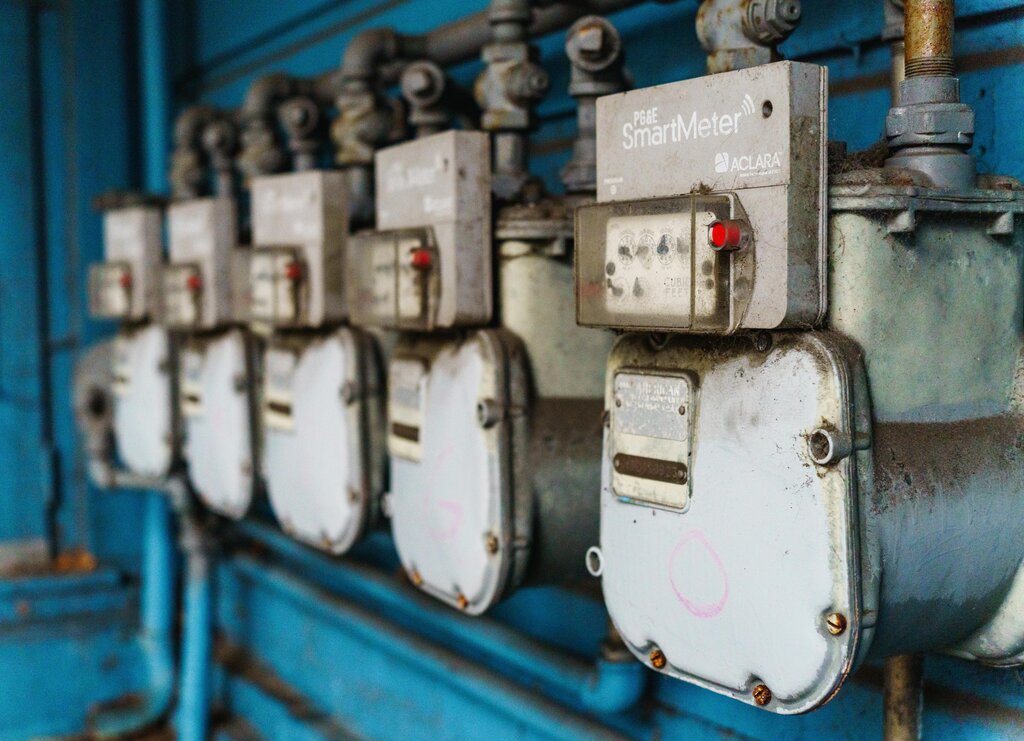
First is the meter or sensor. This is the device that measures the flow of electricity. Many homes now have smart meters installed by the utility company, which automatically record consumption. You can also install your own sensors that clamp onto the main electrical wires in your breaker panel.
Next, you need data transmission. The information from the meter needs a way to get to you. This is usually done wirelessly, using your home's Wi-Fi network or a dedicated cellular connection to send the data to the cloud.
Finally, there's the software or display. This is the user-facing part, often an app on your phone or a website. It takes the raw data and turns it into easy-to-understand charts and graphs, allowing you to see your energy usage by the hour, day, or month.
Energy monitoring is often compared to a 'fitness tracker' for a building. What is the primary 'fitness' goal it helps you track?
Which of the following is NOT a direct benefit of monitoring your energy usage?
By understanding these basics, you're on your way to taking control of your energy consumption.