Energy Management and Auditing Essentials
Energy Management Basics
What Is Energy Management?
Energy management is the process of tracking and optimizing energy consumption to reduce costs and minimize environmental impact. Think of it like managing a personal budget. You wouldn't want your money disappearing without knowing where it went. Similarly, organizations don't want to waste energy, which is a valuable resource.
The core idea is to use energy more intelligently. This doesn't mean shutting everything down or sacrificing comfort. It means achieving the same, or even better, results with less energy. By actively managing energy, a company can lower its utility bills, become more competitive, and reduce its carbon footprint. It’s a proactive approach that turns energy from a simple cost into a manageable asset.
The goal is to maximize performance while minimizing resource usage, energy consumption, and costs.
Effective energy management helps ensure a reliable and sustainable energy supply for the future, which is crucial as global energy demand continues to grow.
The Core Principles
Energy conservation is a key part of energy management, but it's more than just flipping a switch. It's guided by a few core principles that provide a structured way to think about saving energy. A popular and effective framework is known as "Avoid, Shift, Improve."
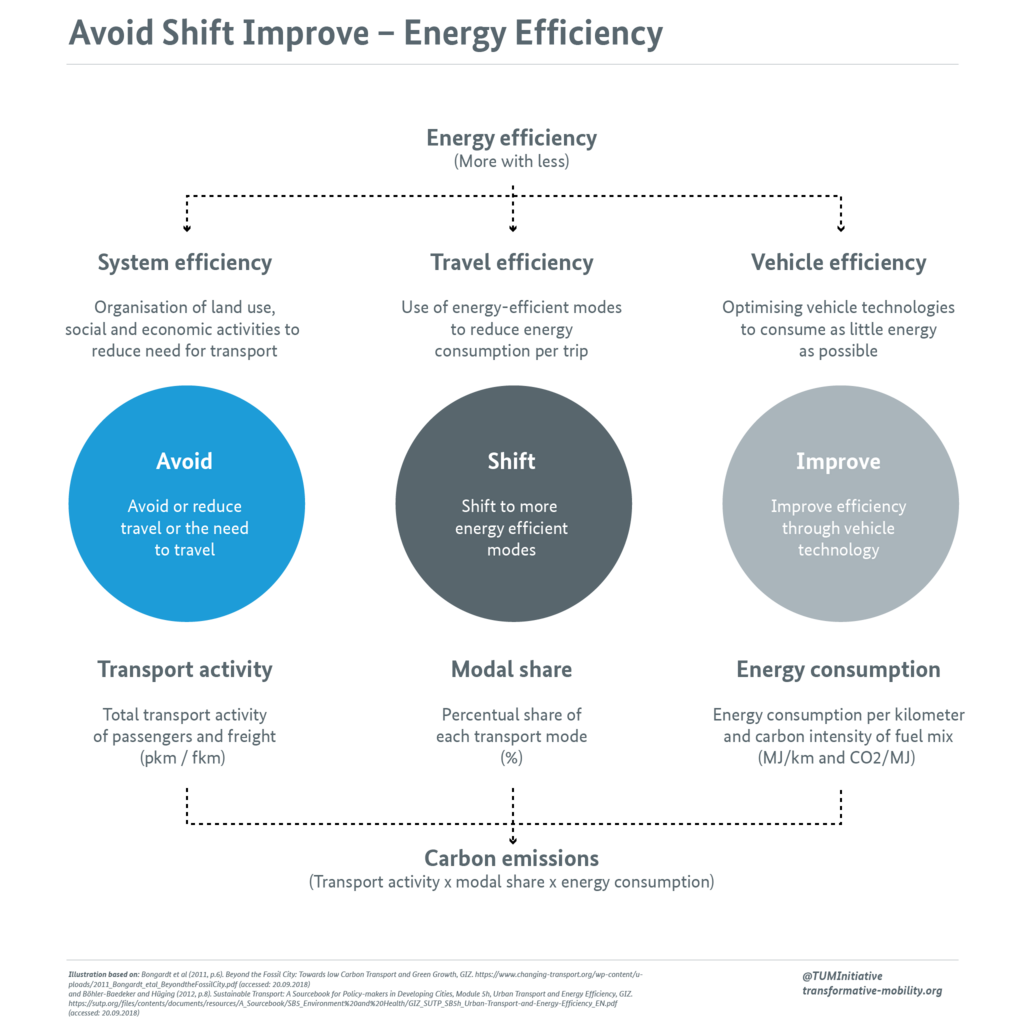
Here’s how it works:
-
Avoid: The most effective way to save energy is to not use it in the first place. This means reducing or eliminating the need for energy-consuming activities. Think of a building with excellent insulation that stays warm in the winter without much heating. That's avoiding energy use.
-
Shift: This principle involves changing how or when energy is used to be more efficient. Shifting could mean running large appliances during off-peak hours when electricity is cheaper, or transitioning from fossil fuels to renewable energy sources like solar or wind power.
-
Improve: This focuses on making our technology more efficient. When we replace old, incandescent light bulbs with LEDs, we are improving energy efficiency. We still get light, but we use a fraction of the energy to produce it. The same logic applies to upgrading old motors, appliances, and industrial machinery.
By applying these principles, organizations can create a comprehensive strategy that tackles energy waste from multiple angles.
The People Behind the Plan
Behind every successful energy management program is a dedicated person or team. An energy manager is the champion for efficiency within an organization. Their job is to oversee the entire energy management process.

What does an energy manager do? Their responsibilities are broad and can include:
- Tracking Data: They monitor energy consumption across the entire organization, looking for patterns, trends, and anomalies.
- Identifying Opportunities: They act like detectives, hunting for sources of energy waste and identifying potential projects for improvement.
- Developing Strategy: They help create the organization's energy policy and set achievable goals for reduction.
- Raising Awareness: They educate employees and stakeholders about the importance of energy conservation and get everyone involved.
- Managing Projects: They oversee the implementation of energy-saving measures, from simple changes to major equipment upgrades.
Ultimately, an energy manager bridges the gap between technical details and business objectives, ensuring that energy efficiency becomes a core part of the organization's culture.
Setting Goals and Policies
A strong energy management system needs a clear direction. This starts with an official energy policy. An energy policy is a short, formal statement that declares an organization's commitment to managing its energy use. It signals to everyone, from top leadership to new employees, that energy efficiency is a priority.
The policy should be straightforward and easy to understand. It might include commitments to:
- Comply with all legal and regulatory energy requirements.
- Continuously improve energy performance.
- Provide the resources needed to achieve energy objectives.
- Promote energy awareness among all staff.
A good energy policy provides the 'why' behind the effort. The objectives provide the 'what' and 'when'.
Once the policy is in place, the next step is to set specific, measurable, achievable, relevant, and time-bound (SMART) objectives. An objective isn't just to "save energy." A SMART objective would be: "Reduce electricity consumption in the main office building by 10% over the next 12 months."
These clear targets give the energy manager and the entire organization a goal to work toward and a benchmark for measuring success.
Now, let's test your understanding of the fundamentals of energy management.
What is the primary goal of energy management?
A university schedules its most energy-intensive research processes to run overnight when electricity rates are lower. This is an example of which principle from the "Avoid, Shift, Improve" framework?
With a solid grasp of these core concepts, you're ready to explore how these principles are put into practice.