Energy Commodity Derivatives
Energy Derivatives Overview
Contracts on Energy
Imagine you run an airline. Your biggest cost, by far, is jet fuel. If the price of crude oil suddenly doubles, your profits could vanish overnight. On the other side, imagine you own an oil drilling company. If the price of oil collapses, you could go out of business. Both sides face a huge risk from unpredictable price swings.
This is where energy derivatives come in. A derivative is simply a financial contract whose value is derived from an underlying asset. In this case, the asset is an energy commodity like crude oil, natural gas, or electricity.
Derivatives are financial instruments whose value depends on underlying assets such as stocks, bonds, commodities, or market indices.
Instead of buying or selling the energy itself, parties trade contracts that act as a stand-in for it. These contracts allow businesses to lock in a price for a future date, protecting them from volatility. It's a way to manage risk and bring some predictability to a very unpredictable market.
The Main Types
Energy derivatives come in a few main flavors, each serving a different purpose. The most common are futures, options, and swaps.
Futures: A futures contract is an agreement to buy or sell a specific amount of an energy commodity, at a specific price, on a specific date in the future. It's an obligation. If you buy a crude oil futures contract, you are obligated to buy that oil when the contract expires (though most traders sell the contract before then).
Options: An option gives the holder the right, but not the obligation, to buy or sell an energy commodity at a set price before a certain date. You pay a premium for this flexibility. Think of it like putting a deposit on a car. You have the option to buy it at the agreed price, but if you change your mind, you only lose the deposit.
Swaps: A swap is an agreement between two parties to exchange cash flows in the future. In energy, this often involves one party agreeing to pay a fixed price for a commodity over a period, while the other pays the floating market price. An electricity company might use a swap to lock in a fixed price for natural gas, ensuring its fuel costs are stable.
| Type | Key Feature | Primary Use |
|---|---|---|
| Futures | Obligation to buy/sell | Locking in a future price |
| Options | Right to buy/sell | Hedging with flexibility |
| Swaps | Exchange of cash flows | Creating long-term price stability |
A Brief History
For a long time, energy prices were relatively stable and controlled. But that all changed in the 1970s. The oil embargo and other geopolitical events caused massive price shocks, sending waves of uncertainty through the global economy.
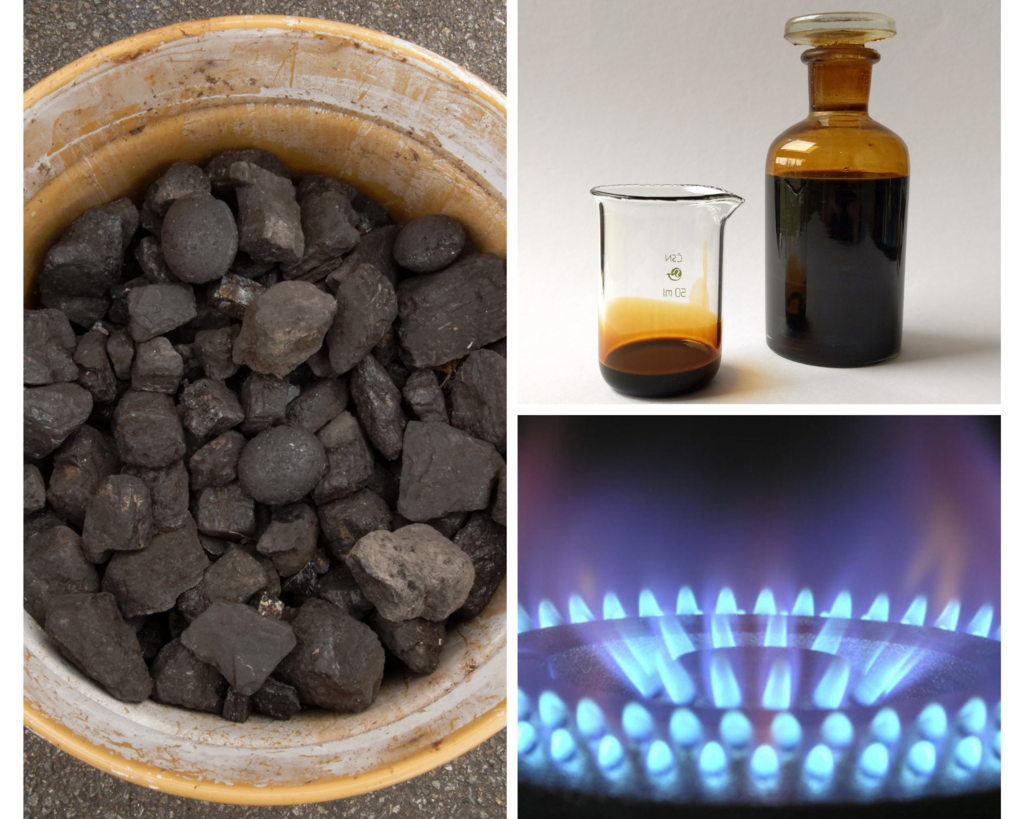
This new volatility created a desperate need for tools to manage price risk. In response, financial exchanges like the New York Mercantile Exchange (NYMEX) introduced the first successful energy futures contracts in the late 1970s and early 1980s. These allowed producers and consumers to hedge against price swings for the first time on a standardized, regulated market.
Since then, the market has grown enormously. Options, swaps, and more complex derivatives were introduced, covering not just crude oil but natural gas, electricity, gasoline, and even emissions credits. The evolution of these markets was a direct reaction to a changing world where energy prices became a major source of economic risk.
Time to check your understanding of these financial tools.
What is the primary reason an airline would use an energy derivative contract for jet fuel?
An energy derivative's value is based on what?
These contracts form the bedrock of the modern energy economy, providing essential tools for managing the risks inherent in producing, trading, and consuming energy.