End to End Application Delivery and Modernization Mastery
Application Delivery Fundamentals
From Idea to Application
Building software is like building a house. You don't just start nailing boards together randomly. You need a plan, a blueprint, and a clear sequence of steps to follow. In the world of software, this structured process is called the Software Development Lifecycle, or SDLC for short. It’s the roadmap that takes an application from a simple idea to a fully functional tool in the hands of users.
The Software Development Lifecycle
The SDLC breaks down the complex process of software creation into a series of manageable stages. Each stage has its own goals and tasks, ensuring that nothing is missed and the final product is reliable and effective. Think of it as a checklist for building high-quality software.
Let's walk through these five core phases.
1. Planning and Requirements: This is where it all begins. The team defines the project's goals, scope, and what the software needs to do. They gather requirements from stakeholders—the people who will use or be affected by the application. Key questions are answered here: Who is this for? What problems will it solve? What features are essential?
2. Development and Design: With a clear plan, the actual building starts. Developers write the code, and architects design the system's structure. This phase translates the requirements from the planning stage into a tangible product. It’s the longest and most intensive part of the process.
3. Testing: Once a version of the software is built, it's time to kick the tires. The quality assurance (QA) team rigorously tests the application to find and document bugs, errors, and glitches. The goal is to ensure the software works as expected and is free of major issues before users ever see it.
4. Deployment: After passing the testing phase, the application is ready to go live. Deployment is the process of releasing the software to users. This could mean installing it on company servers, submitting it to an app store, or pushing it to the cloud.
5. Maintenance: The work isn't over after launch. The maintenance phase involves keeping the application running smoothly. This includes fixing bugs that are discovered after release, making performance improvements, and adding minor new features over time.
The Waterfall Method
One of the oldest and most straightforward ways to implement the SDLC is the Waterfall model. The name says it all. Each phase flows downward into the next, like a cascade of water. You must complete one phase entirely before moving on to the next one. Planning must be finished before development begins, development must be finished before testing begins, and so on.
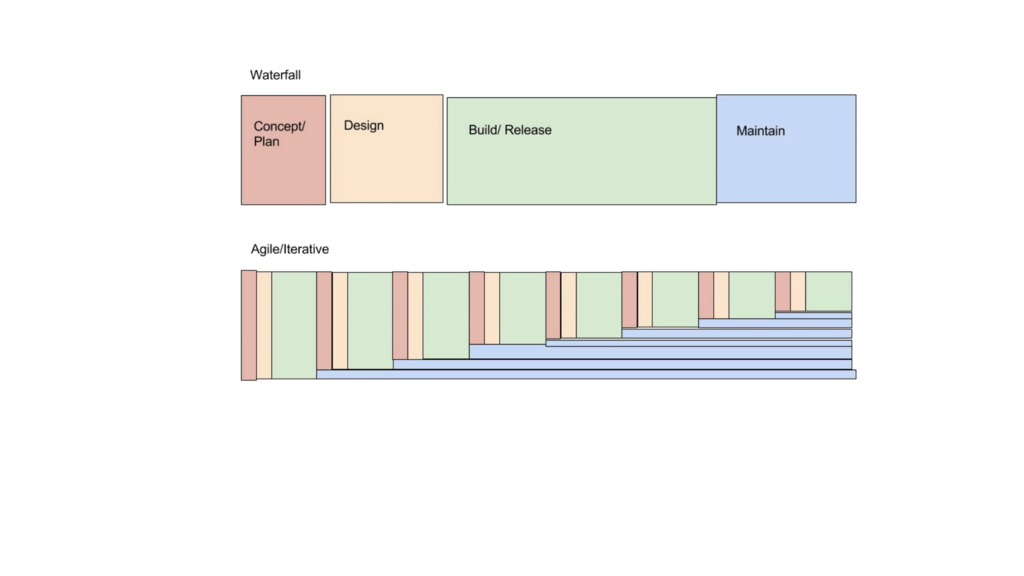
This method is highly structured and disciplined. Because everything is planned upfront, it's easy to track progress and manage budgets. The emphasis on thorough documentation at each stage means that knowledge isn't lost if team members change.
However, this rigidity is also its biggest weakness.
Challenges of the Old Way
The Waterfall model worked well for projects with very stable and predictable requirements. But in today's fast-moving world, it often falls short. Its core challenges create significant friction.
One major issue is its inflexibility. What happens if customer needs change halfway through the project? In a strict Waterfall model, there's no easy way to go back and change the plan. The entire process is built on the assumption that all requirements can be known perfectly from the start, which is rarely the case.
This leads to another problem: long delivery times. Because testing only happens after all development is complete, bugs are often discovered late in the process. Fixing them can be complex and expensive, causing major delays. The customer doesn't see a working product until the very end, which could be months or even years after the project started. By then, the original need might have already changed.
These limitations created a demand for more flexible, responsive ways to build software, setting the stage for the modern delivery methods we use today.
What is the primary goal of the Testing phase in the SDLC?
Which of the following best describes the main disadvantage of the Waterfall model?