End-to-End AI Solutions for IT Organizations
Strategic Planning
Laying the Groundwork for AI
Jumping into AI without a plan is like building a house without a blueprint. You might end up with something, but it probably won’t be what you wanted. Successful AI integration isn't about buying the latest tool; it's about thoughtful, strategic planning. This process ensures that when you do adopt AI, it serves a clear purpose and delivers real value.
Are You Ready for AI?
Before you can build, you need to check your foundation. Assessing your organization's readiness for AI means looking beyond just technology. It involves a hard look at three key areas: your data, your people, and your culture.
First, consider your data. AI systems are fueled by data. Is your data clean, organized, and accessible? If your data is siloed away in different departments or full of inconsistencies, your AI initiatives will stumble right out of the gate. A solid data governance strategy is a non-negotiable prerequisite.
Next, evaluate your team's skills. Do you have people who understand data science, or at least have a strong analytical mindset? If not, your plan must include training for your current staff or hiring new talent. AI is a tool, and you need skilled hands to wield it effectively.
Finally, look at your organizational culture. Is your company open to change? Does it embrace data-driven decision-making? If your culture is resistant to new processes, even the most advanced AI will struggle to gain traction. A successful AI adoption requires buy-in from the top down and a willingness to experiment and adapt.
Readiness isn't just about technology. It's about your data, your people, and your mindset.
Setting Clear Goals
One of the biggest mistakes organizations make is adopting AI for its own sake. A successful strategy starts with a clear business problem you want to solve. Don't ask, "Where can we use AI?" Instead, ask, "What are our biggest challenges, and could AI help us solve them?"
Your AI objectives should be specific, measurable, and tied directly to business outcomes. A vague goal like "We want to use AI to improve efficiency" is not a strategy. A strong objective sounds more like, "We will automate our IT ticket routing process to reduce manual effort by 50% within six months."
To effectively implement AI, organizations must develop a clear, strategic plan that aligns AI initiatives with broader business objectives.
This focus ensures that every AI project has a clear purpose and a way to measure its success. It transforms AI from a buzzword into a powerful tool for achieving tangible results.
Finding the Right Opportunities
With clear goals in mind, you can start identifying potential applications. Look for processes that are repetitive, data-heavy, or require predictions based on historical patterns. These are often prime candidates for AI automation.
Start by mapping out key workflows within your IT organization. Where are the bottlenecks? What tasks consume the most time but add the least strategic value? Think about areas like network monitoring, security threat detection, or user support. Could an AI system analyze logs to predict outages before they happen? Could a chatbot handle common employee IT questions, freeing up your helpdesk for more complex issues?
It’s often best to start small. Look for a high-impact, low-risk project to serve as a pilot. A successful pilot builds momentum, demonstrates value, and provides valuable lessons for future, more ambitious projects.
Creating Your Roadmap
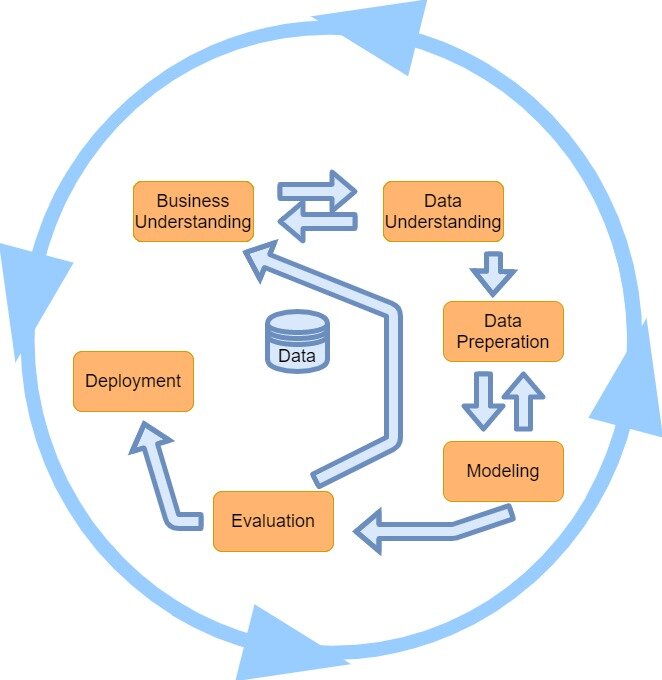
Once you've identified potential projects, it's time to build a roadmap. An AI implementation roadmap is a step-by-step plan that outlines how you'll get from your current state to your desired future. It's not just a timeline; it's a strategic document that guides your entire AI journey.
Your roadmap should prioritize projects based on their potential business impact and feasibility. It should also define key milestones, resource requirements, and metrics for success for each phase. A typical roadmap might start with foundational steps like improving data quality and upskilling the team, followed by the pilot project, and then a phased rollout of other AI applications.
This living document provides clarity and keeps everyone aligned. It ensures your AI adoption is a deliberate, strategic journey, not a series of disconnected experiments.
What are the three key areas an organization should assess to determine its readiness for AI?
True or False: The most effective starting point for an AI strategy is to identify the latest AI tools and then find ways to apply them within the organization.
Careful planning is the most critical factor in a successful AI initiative. By starting with a clear strategy, you set your organization up to harness the true power of AI.