Encryption Algorithms and Keys Explained
Introduction to Encryption
What Is Encryption?
At its heart, encryption is the process of scrambling information so it can't be understood by unauthorized people. Think of it like writing a message in a secret code. Only someone who knows the code can read the original message.
In the digital world, the original, readable information is called plaintext. Once it's scrambled using encryption, it becomes ciphertext. The goal is to keep information safe, whether it's stored on a hard drive or flying across the internet.
Encryption
noun
The process of converting information or data (plaintext) into a code (ciphertext), especially to prevent unauthorized access.
Encryption is a core part of a much larger field called cryptography. While encryption focuses on making data unreadable, cryptography covers all the techniques used for secure communication.
Cryptography
noun
The art and science of writing or solving codes, encompassing techniques for secure communication in the presence of third parties.
How Encryption Works
To turn plaintext into ciphertext, you need two things: an algorithm and a key.
An algorithm is like a recipe. It's the set of mathematical rules that dictates how the scrambling will happen. A key is like a secret ingredient for that recipe. It's a piece of information, usually a long string of numbers and letters, that customizes the algorithm's output.
When you encrypt a message, the algorithm uses the key to transform the plaintext into ciphertext. To decrypt it, the same or a related key is used with the algorithm to turn the ciphertext back into readable plaintext.
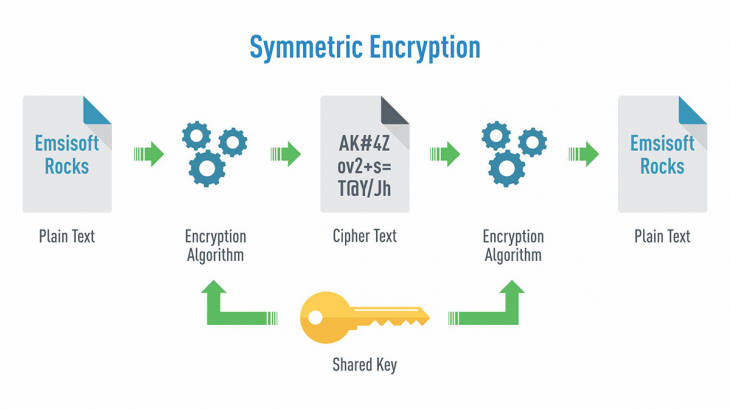
The algorithm itself is often public knowledge; security experts around the world can test it for weaknesses. The security comes from keeping the key secret. If someone has the ciphertext but not the key, the information remains gibberish. But if they have the key, they can easily unlock the message.
Think of it this way: the algorithm is the type of lock on a door, and the key is the unique physical key that opens it. Many people can have the same type of lock, but only your key will open your door.
Why Encryption Matters
Encryption isn't just about hiding messages. It provides fundamental guarantees that are essential for our digital lives. These guarantees are often called the pillars of information security: confidentiality, integrity, and authenticity.
| Pillar | Meaning | Why It's Important |
|---|---|---|
| Confidentiality | Ensures that data is accessible only to authorized users. | It prevents sensitive information from being read by eavesdroppers. |
| Integrity | Guarantees that data has not been altered or tampered with. | It ensures the message you receive is the same one that was sent. |
| Authenticity | Confirms the identity of the sender and the origin of the data. | It verifies that you are communicating with who you think you are. |
When you log into your bank's website, encryption provides confidentiality by hiding your password from anyone trying to spy on your connection. It ensures integrity by making sure a hacker can't change a $100 transfer to a $1,000 one. And it establishes authenticity by proving you are connected to your actual bank, not a fraudulent website.
Without these protections, the internet as we know it simply couldn't function securely.
Now, let's review the key terms we've just covered.
Ready to check your understanding? Take this short quiz.
In the world of encryption, what is the term for the original, readable information before it has been scrambled?
Which of these provides the mathematical rules for how scrambling will happen, much like a recipe?
By understanding these basics, you can better appreciate the invisible shield that protects so much of your digital life.