Empty Nest Home Decluttering
Understanding Decluttering
What is Decluttering?
With the kids grown and out of the house, you might be looking at your home in a new light. It's a space filled with memories, but it might also be filled with... stuff. Decluttering is the process of intentionally sorting through your belongings to eliminate what's no longer necessary or useful. It's not just about tidying up. It’s about making conscious choices to create a more peaceful, functional, and manageable living environment that suits your current life.
Clutter
noun
A collection of things lying about in an untidy mass; items that create a sense of being disorganized or crowded.
For empty nesters, this process is a powerful way to transition into a new chapter. It's an opportunity to reclaim rooms that once belonged to children and redefine your home to reflect your own needs and interests now.
The Payoff of a Clear Space
Letting go of excess possessions has tangible benefits that go far beyond aesthetics. On a practical level, a decluttered home is simply easier to manage. Cleaning takes less time, you can find things when you need them, and your rooms feel more spacious and open.
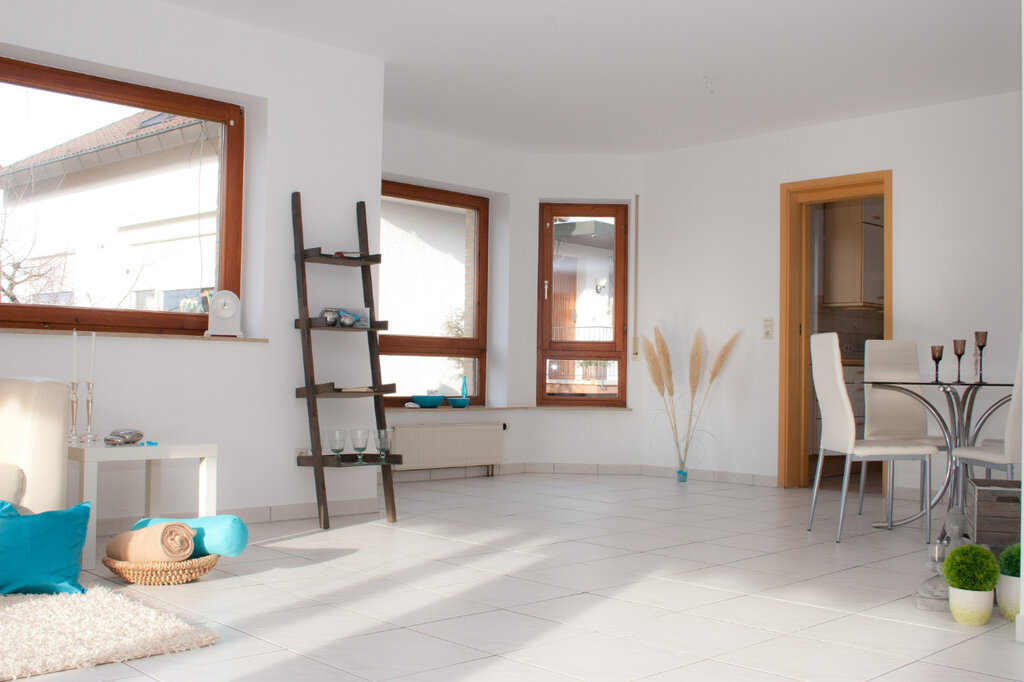
The mental benefits are even more profound. Living in a disorganized environment can be a constant, low-grade source of stress. Our brains are distracted by the visual noise of clutter, which can drain our cognitive energy and make it difficult to focus. Clearing your physical space often leads to a clearer mind.
The psychological impact of a clean, organized space includes reduced stress, enhanced focus, and a general sense of well-being.
Facing the Clutter
Knowing the benefits doesn't always make the process easy. Decluttering can be emotionally and physically taxing. One of the biggest hurdles is sentimental attachment. An old piece of furniture or a box of your children's school projects isn't just an object; it's a link to a cherished memory. It’s natural to struggle with letting these things go.
Another common challenge is sheer overwhelm. Decades of accumulated belongings can feel like a mountain too high to climb. The thought of sorting through it all can be paralyzing, leading to procrastination.
A good strategy for sentimental items is to take a photo. You can create a digital album of memories, preserving the feeling without needing to store the physical object.
The key to overcoming these obstacles is to reframe your approach. You don't have to tackle everything at once. In fact, you shouldn't.
Begin decluttering by tackling one small area at a time.
Focusing on a single drawer, one shelf, or a small corner of a room makes the task manageable. This creates momentum and provides a sense of accomplishment that fuels your motivation to continue.
Finding Your Method
There's no single right way to declutter. The best approach is the one that works for you. Here are two popular methods that offer different frameworks for the process.
The KonMari Method This philosophy, created by Marie Kondo, centers on a simple question: "Does it spark joy?" Instead of going room by room, you declutter by category, starting with clothes, then moving to books, papers, and so on. For each item, you hold it and decide if it brings you genuine happiness. If it doesn't, you thank it for its service and let it go. This method is deeply personal and focuses on curating a home filled only with things you truly love.
This method advises that instead of decluttering and organizing room by room, you take categories of items in order and decide whether to keep or purge them by holding the item and asking yourself if it "sparks joy."
Another straightforward and practical approach is the Four-Box Technique.
The Four-Box Technique This method is less emotional and more logistical. You take four boxes and label them: Keep, Donate/Sell, Trash, and Relocate. As you go through an area, you place every single item into one of these four boxes. This forces a quick, decisive action for each object, preventing you from getting stuck on any one thing. The 'Relocate' box is for items that have a home but are in the wrong place, helping you tidy as you declutter.
Whether you're drawn to an emotional or a practical method, the goal is the same: to create a living space that supports your life today. Let's get ready to make some decisions.
What is the primary difference between simply tidying up and the process of decluttering as described in the text?
According to the text, what is a significant mental benefit of having a decluttered home?
Embracing this new phase of life by clearing out the old can be a liberating experience, paving the way for new hobbies, interests, and a renewed sense of peace at home.